White tea is often praised for its delicate flavor and potential health perks, but what do we really know about its benefits? While it’s rich in tea polyphenols, clear evidence from human studies is limited, and caffeine content can vary. Let’s sort fact from fiction and explore what white tea can truly offer.
What Are the Benefits of White Tea, and Are They Proven?

White Tea Benefits: What the Evidence Actually Shows
Many people seek out white tea for its potential health perks, but what does science really say? The term “white tea benefits” often appears in wellness articles, but understanding the evidence is key. White tea contains compounds like polyphenols and catechins, which are linked to health benefits. However, having these compounds doesn’t guarantee specific outcomes. White tea’s benefits depend on how it’s grown, processed, and brewed.
Research on white tea shows promising signs, but it’s crucial to differentiate between early laboratory findings, animal studies, and human trials. While some studies highlight potential effects, they don’t prove white tea will prevent disease or cure ailments. Instead, they suggest areas for further research.
Antioxidants and Polyphenols: What They Comprise
White tea is rich in antioxidants such as catechins and polyphenols. These molecules combat oxidative stress—a process involved in aging and many chronic diseases. For example, a study on white tea’s catechin content found it can help neutralize free radicals in test tubes. But lab results alone don’t confirm that drinking white tea will directly improve your health.
Polyphenols are thought to reduce inflammation and support heart health, but these effects depend on many factors, including how much you consume and your overall diet. Think of white tea as a source of antioxidants, not a magic potion. It’s like having a handful of berries; they’re beneficial, but eating them won’t instantly change your health.
What Research Can and Cannot Establish
Research on white tea ranges from small lab studies to larger human trials. In cell and animal studies, white tea compounds have shown anti-inflammatory and anti-cancer activity. For example, a 2017 study on mice suggested white tea extract might slow certain tumor growths. But translating these findings to humans is complex. Human studies are fewer and often observational, meaning they show associations rather than cause and effect.
For example, some research indicates that regular tea drinkers tend to have lower blood pressure or better cholesterol levels. But these are not proof that white tea alone causes these benefits. A 2023 PubMed review notes that while white tea’s antioxidant properties are clear in early research, conclusive clinical evidence in humans remains limited.
It’s like reading about a new recipe in a cookbook and trying it yourself—initial experiments can be promising, but they don’t guarantee the same results every time. Be cautious about claims that white tea can detox, promote weight loss, or prevent specific diseases. These claims often exaggerate what the evidence actually supports.
Claims to Approach with Caution
White tea is not a substitute for medical treatment or a quick fix for health issues. There’s no proof that it detoxifies your body or helps you shed pounds. Nor does current research support claims that white tea prevents or cures diseases like cancer or diabetes. While some studies suggest health-related benefits, they are preliminary or based on non-human data.
Importantly, these findings are often specific to other types of tea. Green and black teas have been studied more extensively for health effects, but white tea’s unique processing — mainly minimal handling and drying of young leaves and buds — results in a different chemical profile. For instance, a study on green tea’s effects on insulin sensitivity (source) does not necessarily apply to white tea, which may have different levels of catechins and caffeine.
In short, enjoy white tea as part of a balanced diet. Do not rely on it to prevent disease or replace medical advice.
—
White Tea vs Green Tea vs Black Tea
Tea types differ mainly in how they’re processed. These differences influence flavor, caffeine, and health compounds.
| Feature | White Tea | Green Tea | Black Tea |
|---|---|---|---|
| Processing | Minimal; leaves are picked young and dried | Steamed or pan-fired, then dried | Fully oxidized, dark leaves |
| Taste | Light, delicate, subtly sweet | Slightly grassy, vegetal, fresh | Robust, malty, sometimes bitter |
| Caffeine | Variable; often moderate but depends on brew | Similar variability; generally moderate | Usually higher, but varies with brew |
| Ideal for | Those seeking gentle flavor and antioxidants | People wanting a balanced flavor and health benefits | Drinkers preferring bold flavor and higher caffeine |
The composition of each tea depends on cultivar, growing conditions, and processing. How you brew them also impacts flavor and strength. For example, using cooler water for white and green teas preserves delicate flavors, while hotter water enhances black tea’s richness.
For more details, see our comparison of white and green tea.
—
How to Brew and Choose White Tea
Getting the most from white tea involves proper brewing. Here are simple, practical steps:
Practical Brewing Steps
- Water temperature: Aim for 75–85°C (167–185°F). Too hot, and you risk burning the delicate leaves, leading to a bitter taste.
- Steep time: 3–5 minutes is typical. Shorter steeping keeps it light; longer increases flavor strength.
- Adjust for taste: If you prefer a milder brew, steep for less time. For a stronger flavor, add a minute or two.
- Caffeine sensitivity: Longer steeping can extract more caffeine, so adjust accordingly if you’re sensitive or aiming to limit intake.
Caffeine and Sensible Precautions
White tea isn’t guaranteed to be caffeine-free or low in caffeine. Variability depends on leaf age, harvest, and brewing method. A typical 8 oz cup can contain anywhere from 15 to 30 mg of caffeine, but some brews can be stronger.
If you’re sensitive to caffeine, consider limiting your white tea intake or brewing it for a shorter time. The FDA suggests no more than 400 mg of caffeine daily for most adults, roughly equivalent to 13 cups of white tea. But individual tolerance varies.
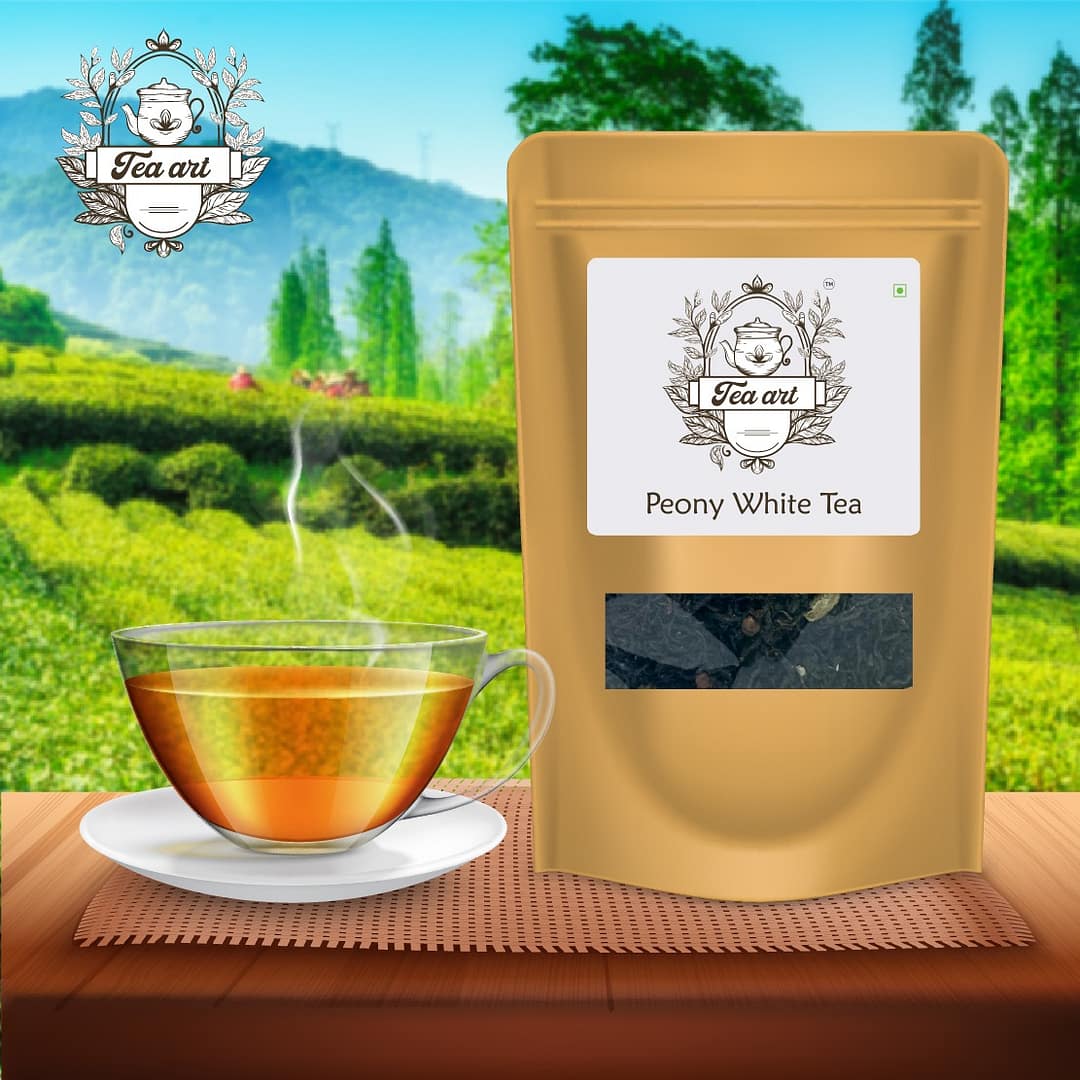
Buying and Trying Tea Art Peony White Tea
Look for white tea with light, silvery leaves and a sweet, floral aroma. Brewing directions usually call for steeping in water at 80°C (176°F) for about 3 minutes. Pack sizes vary, but a typical 50 g pouch offers around 15-20 cups. Price varies depending on the vendor, but our current offering provides high-quality white tea at competitive rates.
If you’re exploring white tea, check out our loose-leaf tea guide for tips on selecting the right leaves and brewing your perfect cup.
—
By understanding what research actually supports and how to brew white tea properly, you can enjoy its subtle flavors while making informed choices about your health. White tea offers a gentle, flavorful experience with some promising compounds—just keep expectations realistic and enjoy it as part of a balanced lifestyle.

White Tea Benefits: Practical Takeaway — Is it Worth Your Sip?
White tea’s charm lies not just in its delicate flavor but in the quiet promise of antioxidants and gentle refreshment. While some studies highlight its rich polyphenol content and potential health perks, much of the existing evidence remains preliminary. It’s best to see white tea as a pleasant, flavorful addition to your routine rather than a cure-all. Enjoying white tea for its taste and calming experience can be a rewarding part of your day, but any potential health effects should be viewed with a realistic lens, unless supported by well-designed human research.
Brew white tea according to your preferences and caffeine tolerance. Its versatility allows you to tailor each cup—whether you prefer a subtle, lightly steeped brew or something a bit stronger. Remember, the true value of white tea comes from savoring the moment and appreciating its nuanced flavor, not from overestimating its health claims. When approached with a balanced mindset, white tea can simply be a delightful part of a mindful, health-conscious lifestyle.
—
White Tea Benefits FAQ
Does white tea contain caffeine?
Yes, white tea does contain caffeine, but the amount can vary quite a bit depending on factors like the type of leaves, how they’re processed, and how you brew it. On average, an 8 oz cup of white tea might have around 15 to 30 mg of caffeine, which is less than coffee but more than some herbal teas. If you’re sensitive to caffeine or trying to limit intake, you can control the amount by adjusting steeping time and water temperature. Longer steeping tends to extract more caffeine, so keeping it brief and using slightly cooler water can help keep the caffeine content moderate.
Is white tea healthier than green tea?
Both white and green teas come from the Camellia sinensis plant, but they differ in processing. White tea is minimally processed, often resulting in higher levels of certain antioxidants. However, claiming it is definitively healthier than green tea isn’t straightforward. Scientific evidence supports that both contain beneficial compounds like catechins and polyphenols, which can combat oxidative stress. Ultimately, choosing between them depends on your taste preference and caffeine sensitivity. Incorporating either into a balanced diet is a good step, but neither should be viewed as a miracle cure.
Can white tea help with weight loss?
While some early research suggests that the antioxidants in white tea may support metabolism, there is no conclusive evidence to confirm it aids in weight loss. Claims that white tea detoxifies or promotes significant weight reduction tend to be exaggerated. The most reliable way to support weight management remains a balanced diet and regular activity. White tea can be a calming, flavorful beverage that complements healthy habits, but it shouldn’t be relied upon solely for weight loss.
What is the best way to brew white tea?
For optimal flavor, brew white tea at a temperature between 75°C and 85°C (167°F to 185°F). Use about 1 teaspoon of leaves per 8 oz of water and steep for 3 to 5 minutes. Shorter times yield a lighter, more delicate taste, while longer steeping enhances the flavor strength. Adjust according to your taste preference and caffeine sensitivity. Use a softer boil or cooler water to preserve the subtlety of white tea and avoid bitterness. If you’re new to white tea, starting with a gentle steep helps appreciate its nuanced profile.
Is white tea more delicate or harder to brew than other teas?
White tea’s delicate nature calls for gentle handling. Its subtle flavors can be easily overwhelmed or muted if brewed at too high a temperature or for too long. Using fresh, filtered water at the right temperature and sticking to recommended steeping times ensures you capture its gentle sweetness and floral notes. It’s less forgiving than black tea but rewarding when brewed with care. Experimentation helps discover your ideal balance, turning each cup into a mindful moment.
—
In the end, white tea invites you to enjoy a subtle, nuanced experience. Its benefits, while promising, are best appreciated through mindful consumption rather than lofty promises. Savor each sip, stay curious, and let the gentle complexity of white tea remind you that sometimes, the simplest pleasures are the most profound.