Loose leaf tea is more than just a trend; it’s the essence of quality and flavor in every cup. By choosing loose leaf over bagged tea, you’re opting for richer aromas and a more nuanced taste experience. But what exactly is loose leaf tea, and which type is right for you?
What is Loose Leaf Tea?
Loose leaf tea is a type of tea made from whole, unbroken leaves, offering a depth of flavor and aroma often lost in bagged varieties. The large, intact leaves allow for better extraction of essential oils and beneficial compounds, resulting in a more vibrant cup. This is particularly appealing for tea enthusiasts seeking quality and authenticity in their brews.
Understanding the different types of loose leaf tea is essential for making an informed choice. There are several categories to explore, including green, black, oolong, white, herbal, and wellness teas. Each type has its unique flavor profile and health benefits, providing options that cater to diverse tastes and wellness goals.
Navigating between loose leaf tea options can feel overwhelming, especially if you’re new to the tea world. That’s where we come in. This guide will break down the differences among the various types of loose leaf tea, showcasing their individual characteristics and health benefits. Plus, we’ll offer quick links to our premium selections, so you can easily find the loose leaf tea that suits your preferences.
Ready to unravel the world of loose leaf tea? Let’s dive deeper into what it offers and how each variety can enrich your tea experience. For more detailed information, check out our comprehensive overview here: Explore Tea Art.
Choosing the Right Loose Leaf Tea
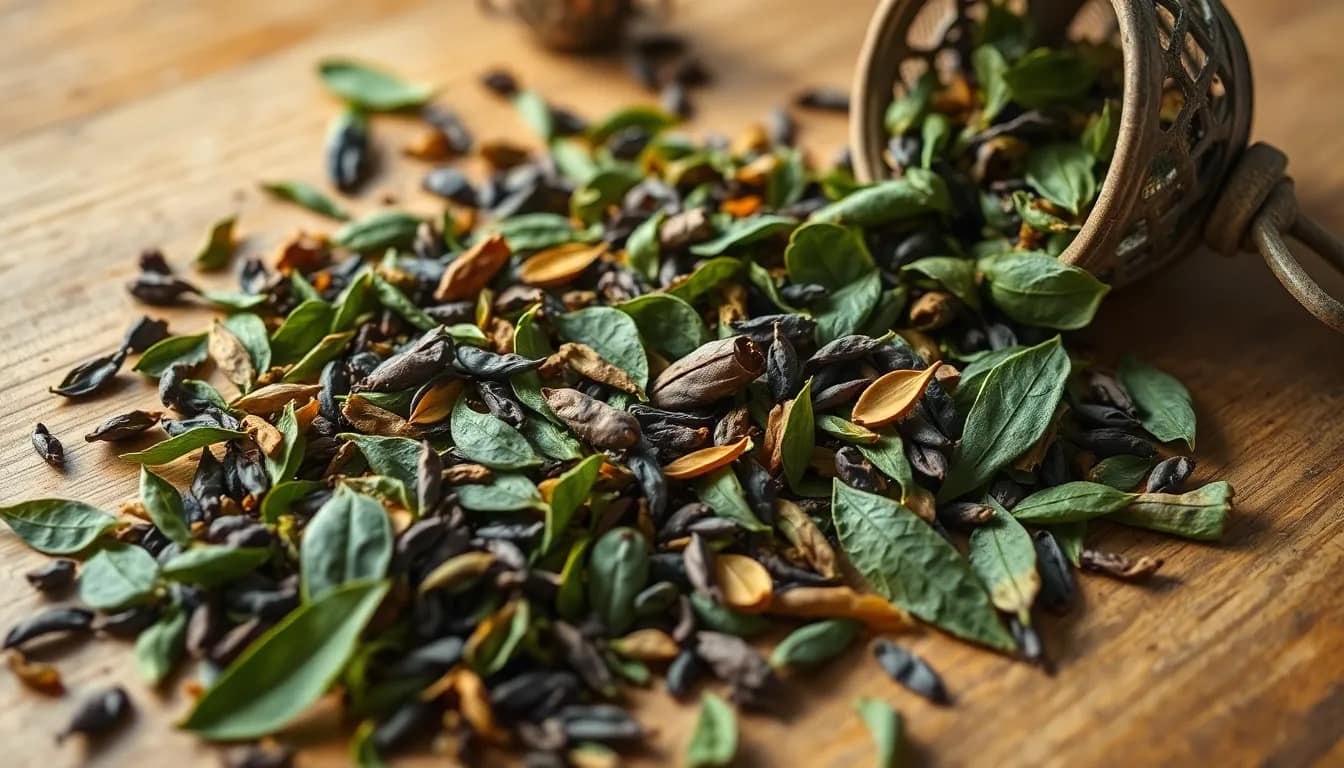
Finding the right loose leaf tea means matching flavor, caffeine, and brewing rhythm to your day. Start with your mood and routine, then move to the type that fits. If you’re unsure, use a simple rule of thumb: lighter teas for mornings, richer blends for afternoons. When you shop for loose leaf tea, you’re choosing a richer, more layered cup than bagged options.
Think about your context. A calm morning at home calls for a bright green or a light white tea. A midafternoon pick me up benefits from a brisk black or a balanced oolong. For wellness goals, herbal blends or wellness formulations can offer caffeine-free options with soothing notes. The key is to know what you want from each cup and pick accordingly.
Types of Loose Leaf Tea
Green, black, oolong, white, and herbal varieties each bring distinct characters. Green tea tends to be fresh and grassy, black tea bold and brisk, oolong a bridge between both, white tea light and delicate, and herbal blends caffeine free with varied flavors. Wellness blends combine botanicals for targeted sensations like calm or digestion. In India, you’ll notice regional profiles such as Nilgiri brightness or Darjeeling musk, which come through when you choose quality leaves and know the harvest window. A real-world note: a Nilgiri estate at high altitude often yields crisp notes that glow in a morning cup.
Caffeine content varies by type. On average, green tea sits in the low-to-mid range, black tea runs higher, and herbal blends are typically caffeine free. For a quick reference, a simple comparison helps buyers decide which path to take before adding six SKU pages to their cart. For wellness oriented readers, Healthline covers green tea benefits and compounds. For a practical health‑focused view, WebMD also provides accessible guidance.
Health benefits come from compounds like catechins and L‑theanine, along with hydration and mindful brewing. Green and white teas bring antioxidants, while black and oolong offer a deeper flavor range with lasting caffeine effects. Herbal blends contribute soothing notes and can support digestion or sleep, depending on the ingredients. When you pick loose leaf tea, you’re selecting a product that preserves leaf integrity and aromatic oils, which translates to richer flavor in the cup.
Health Benefits of Green Tea
- Green tea offers antioxidants that can support cell health and metabolism.
- Black tea provides a robust flavor and a steady caffeine lift.
- Oolong shines with a complex aroma and a spectrum from light to full bodied.
- White tea delivers a delicate, nuanced cup with gentle antioxidant content.
- Herbal blends give caffeine free comfort and varied botanical effects.
- Wellness blends target specific goals like digestion or relaxation.
How to Brew Loose Leaf Tea
Start with clean water and the right dose, typically about 2 grams per 8 oz cup. Preheat your teapot or cup to keep temps steady. Steep time varies by type: greens 2–3 minutes, blacks 3–5 minutes, oolongs 3–4 minutes, whites 2–4 minutes, and herbs 5–7 minutes. Use the recommended temperature for each type: greens 75–85°C, blacks 95–100°C, oolong 85–95°C, whites 70–80°C, herbs around 95°C. Don’t rush the pour; a slow infusion helps unlock delicate notes. You can experiment with 1–2 additional short steepings to extract more layers.
If you’re new to choosing loose leaf tea, try our quick guide to picking by type, caffeine, and flavor profile. It links to our six SKU pages so you can compare options side by side.
A final thought: loose leaf tea opens a world of flavor, aroma, and daily rituals. By understanding the types, benefits, and brewing basics, you can build a personalized routine that elevates ordinary moments into small, meaningful rituals.
Final Verdict / Recommendation for Loose Leaf Tea
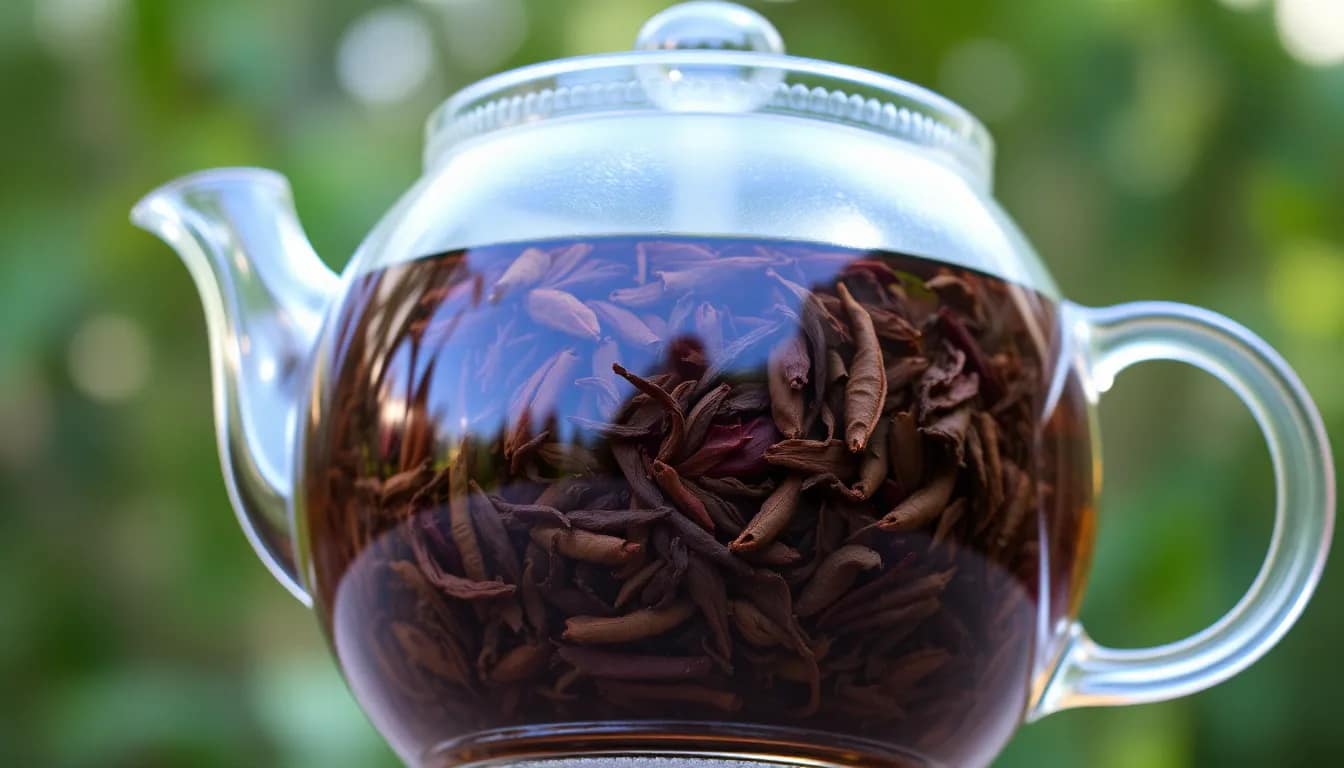
Choosing a way to drink tea that rewards time and curiosity is worth the extra effort. For many, loose leaf tea delivers richer aroma, deeper flavor, and a cleaner finish than bagged options. The leaves stay whole longer, so you taste more of the tea’s natural character. If you are building a daily ritual, this approach pays off cup after cup. For newcomers, start with a gentle green or a balanced black to feel the difference without overwhelm. You can explore our six SKU pages and use the quick pick tools on the site to compare directly.
Beyond taste, loose leaf tea supports a broader spectrum of sourcing stories. Indian estates often vary by altitude and season, which shapes brightness, body, and aroma. A small shift in harvest time can transform a cup, giving you a tangible link to place and season. The right choice respects your taste and your routine, and it scales with your curiosity over time. In short, loose leaf tea is a flexible platform for flavor, wellness, and mindful brewing.
If you want a clear path to better cups, prioritize type, caffeine, and brew temperature first, then ask which health perks matter to you. With the right approach, you’ll find a steady flow of teas that fit your day, your mood, and your goals. The journey begins with a simple selection and grows as you refine your palate.
FAQ on Loose Leaf Tea
What are the benefits of loose leaf tea?
You get more flavor and aroma from whole leaves, and you can control every step from grind to steep. The leaves retain essential oils and nuanced notes that bagged tea often loses. For wellness minded drinkers, the antioxidant profile varies by type, with green and white varieties typically offering higher polyphenol content. A real‑world scenario: start your morning with a bright green leaf and notice a cleaner, longer finish compared to a standard tea bag.
How do I brew loose leaf tea?
Start with fresh water and about 2 grams of leaf per 8 oz cup. Heat greens to about 75–85°C, blacks to 95–100°C, and oolongs around 85–95°C. Steep greens 2–3 minutes, blacks 3–5 minutes, and oolongs 3–4 minutes. Whites 2–4 minutes and herbs 5–7 minutes. If you like stronger notes, add 30 seconds to a minute of steep time rather than pushing temperature. Rinse your teapot and pour slowly to wake up the aroma.
For a quick reference and to see how different leaves behave, browse our guide linked through our site.
How is loose leaf tea different from bagged tea?
Loose leaf tea uses larger, intact leaves that unfurl fully during steeping, giving richer flavors and a fuller aroma. Bagged tea often relies on smaller particles or dust that release flavors quickly but much less nuance. Packaging tends to be tighter for bagged tea, which can trap aromas and limit evolving flavors over multiple infusions. If you value a more expressive cup and a longer, gentler brewing rhythm, loose leaf tea is the better fit.Final thought: embracing loose leaf tea invites you into a richer, more deliberate tea experience. The right choice today sets the tone for many satisfying cups tomorrow.