
Choosing between white tea vs green tea can feel like a daunting task if you’re unsure of their differences. Both are celebrated for their unique flavors and health benefits, yet they offer distinct advantages depending on your preferences and needs. Let’s break down what sets them apart so you can make an informed choice.
What are the key differences in white tea vs green tea?
When you’re asking yourself about white tea vs green tea, you’re likely after quick answers on flavor, caffeine content, and health benefits. White tea undergoes minimal processing, retaining delicate flavors and high antioxidant levels, while green tea is steamed or pan-fired, which affects its flavor and chemical profile. Here are some quick contrasts to consider:
- Caffeine: White tea generally contains less caffeine than green tea, making it a gentler choice if you’re sensitive to caffeine.
- Flavor: White tea is often sweeter and lighter, while green tea can range from grassy to vegetal.
- Antioxidants: Both teas are rich in antioxidants, but their profiles differ, with white tea often having a higher concentration of certain compounds.
For a more thorough breakdown of the differences, check out this authoritative comparison at Artful Tea. As you explore these teas, consider visiting our tea guide here for related articles about other tea comparisons.
Why should you choose between white tea and green tea?
The choice between white and green tea ultimately comes down to your personal tastes and health goals. Are you looking for a more delicate taste or seeking something with stronger antioxidant potential? White tea might be ideal for a more subtle brewing experience, while green tea offers robust flavors and a proven history of health benefits. If you’re keen to delve into their health implications, visit Verywell Health for insights on how each may impact your wellness.
With these points in mind, let’s dive deeper into the differences, including preparation methods, flavor profiles, and more.
What essential factors differentiate white tea vs green tea?
When you compare white tea vs green tea, the differences aren’t just flavor notes. The two drinks come from the same plant but follow distinct paths from harvest to cup. The processing, caffeine levels, and antioxidant profiles shape how each tea behaves in your routine and your palate. If you’re curious about the everyday implications, this section lays out the core factors you’ll want to weigh. For a community discussion that weighs practical distinctions, you can reference this Reddit thread about differences between teas: https://www.reddit.com/r/tea/comments/9cau7f/can_someone_explain_me_the_difference_between/. For a broader, expert-backed take, see our cited comparison here: https://artfultea.com/blogs/tea-wisdom/white-tea-vs-green-tea-whats-the-difference?srsltid=AfmBOoq8xtlL6FS2wKLGD2cbS2ReUh5JPLAtcys12kZFVMpQ83M_UN6G. These sources echo the core gaps and strengths you’ll encounter in real shopping and tasting.
- Processing difference drives most contrasts. White tea is minimally processed, often withering and drying to preserve delicate aromas. Green tea is heated (pan-fired or steamed) to halt oxidation, yielding a brighter, grassy character.
- Caffeine and flavor momentum diverge. White tea tends to be lighter and lower in caffeine per cup, while green tea usually delivers more bite and higher caffeine content, depending on variety and brewing.
- Antioxidants aren’t a single score. Both packs are rich in polyphenols, but the types and amounts shift with processing. That means different health and sensory benefits, not a simple “more or less.”
H3: Processing methods
Processing is the lever that decides whether a tea ends as white or green. White tea leans on withering then slow drying, with little to no rolling. Green tea adds a heating step to deactivate enzymes, followed by shaping. This sequence creates distinct flavor trajectories: airy, nuanced florals for white; fresh, grassy notes for green. If you want a quick primer on why these steps matter, our Hello World explainer walks through the basics: https://teaart.in/hello-world/. For a community view on the mechanics, the Reddit thread above captures how readers describe the contrast in simple terms.
H3: Health benefits comparison
Health-wise, both offer robust antioxidants, but the emphasis shifts with the processing path. White tea’s minimal processing can preserve compounds that contribute to gentle protective effects, while green tea’s oxidation profile tends to boost certain catechins. A practical way to frame this is through a simple criterion: “Which tea supports your goals—calm focus and light flavor, or a stronger daily antioxidant intake with more pronounced caffeine?” A benchmark comparison that many readers find helpful is the Artful Tea analysis: https://artfultea.com/blogs/tea-wisdom/white-tea-vs-green-tea-whats-the-difference?srsltid=AfmBOoq8xtlL6FS2wKLGD2cbS2ReUh5JPLAtcys12kZFVMpQ83M_UN6G.
H2: Which tea offers better antioxidant properties?
Antioxidant potency isn’t a single metric; it depends on the antioxidant type, how the tea is brewed, and how fresh the leaves are. In general, both white tea vs green tea deliver rich polyphenols, but their profiles differ. Green tea often shows higher catechin levels in standard assays, while white tea can emphasize other antioxidant compounds preserved by its gentler processing. Real-world testing echoes this nuance: you’ll sometimes see green tea ahead for certain catechins, while white tea shines in aroma-driven antioxidant suites after light brewing. For a practical, evidence-based read on antioxidants, check out the Verywell Health overview: https://www.verywellhealth.com/white-tea-vs-green-tea-11888841. A useful context point comes from Paper & Tea’s comparison of white, black, and green — a good quick reference to how processing shapes antioxidant outcomes: https://www.paperandtea.com/blogs/journal/difference-black-white-green-tea.
Real-world takeaway: if you chase the strongest, most varied antioxidant punch, green tea often delivers robust catechins; if you want a gentler caffeine profile with delicate flavors and a different antioxidant mix, white tea offers appealing benefits. The best choice depends on your taste, caffeine tolerance, and health goals.
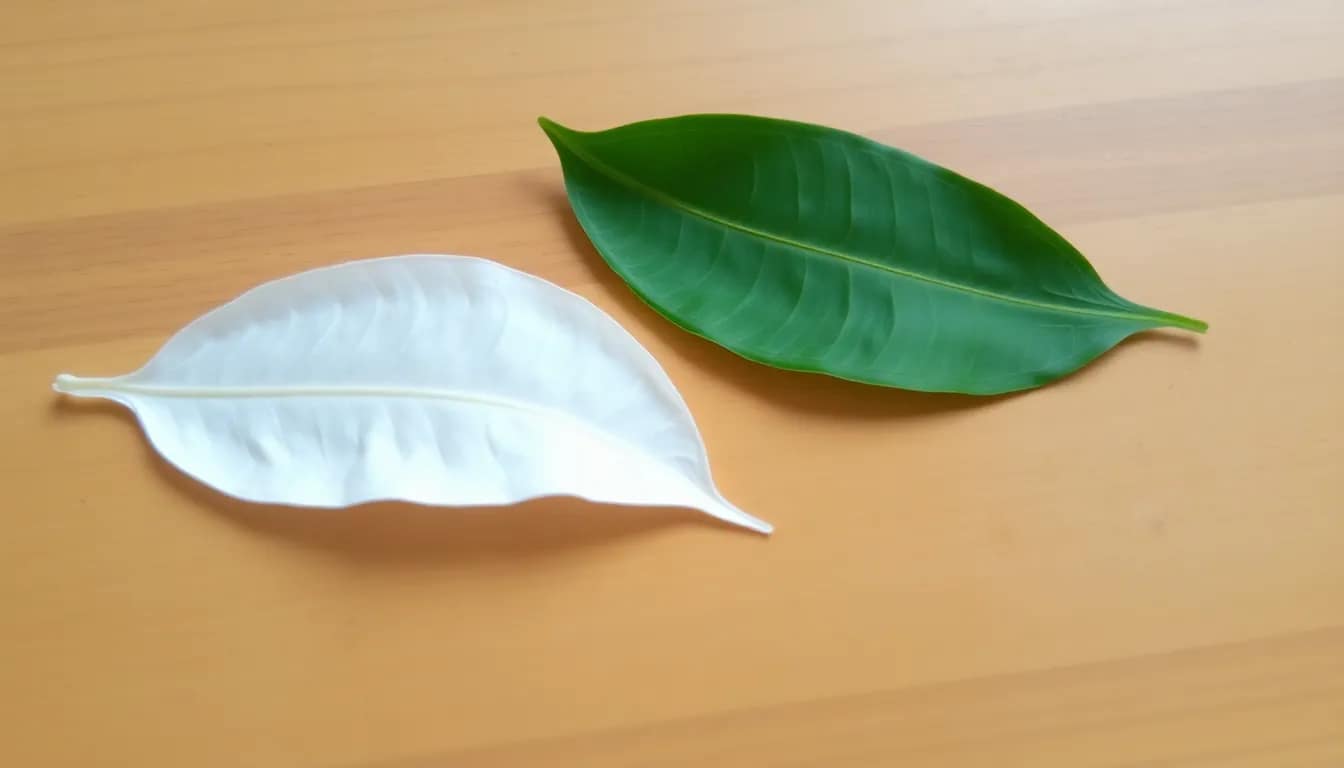
Making an informed choice on white tea vs green tea
When you weigh white tea vs green tea, you’re balancing taste, caffeine, and health benefits as they play out in daily life. The two come from the same plant, but processing, origin, and timing create very different cups. If you want a quick read: white tea tends to be lighter, with less caffeine and a more delicate aroma; green tea offers brighter flavors and more robust caffeine, with a broader range of processing styles. This helps explain why many people choose one over the other for morning rituals or afternoon calm.
Actionable takeaways:
- Flavor and caffeine first: choose white tea for subtle, floral notes and gentle buzz; go with green tea for a livelier, greener palate and more noticeable caffeine.
- Health goals and antioxidants: both are strong, but the antioxidant mix shifts with processing. See trusted benchmarks in expert guides linked below.
- Price and provenance: white tea often costs more per 100 g due to tip‑only harvests and minimal processing. Use that lens when comparing options.
Real‑world tip: if you’re testing both, start with light brews to gauge aroma and aftertaste before dialing in variable like water temperature and steep time.
FAQ for white tea vs green tea
What is white tea?
White tea comes from young tea buds and is dried with minimal processing to preserve delicate flavors and compounds. It’s usually lighter in color and body than many greens, with a gentle sweetness. For a concise expert comparison, see: https://artfultea.com/blogs/tea-wisdom/white-tea-vs-green-tea-whats-the-difference?srsltid=AfmBOoq8xtlL6FS2wKLGD2cbS2ReUh5JPLAtcys12kZFVMpQ83M_UN6G.
What is green tea?
Green tea leaves are heated soon after picking to stop oxidation, which locks in a fresh, grassy character and a different antioxidant profile. It often carries a more pronounced caffeine lift than white tea. For a broader view, check Verywell Health’s guide: https://www.verywellhealth.com/white-tea-vs-green-tea-11888841.
Which is better for health?
Both offer meaningful antioxidants, but the balance shifts with processing and brewing. If your goal is a slightly lighter cup with a gentler caffeine edge, white tea can be appealing. If you want a stronger caffeine jolt and prominent catechins, green tea may suit you better. A community perspective and verification can be found here: https://www.reddit.com/r/tea/comments/9cau7f/can_someone_explain_me_the_difference_between/.
Is white tea better than green tea?
White tea is not necessarily better than green tea; they are different types of tea with distinct flavors, processing methods and caffeine levels. White tea is generally delicate and minimally processed, while green tea has a more vegetal flavor. Both contain naturally occurring polyphenols and can fit into a balanced diet.
What is the healthiest tea to drink?
There is no universally healthiest tea. White, green, black and many herbal teas can be healthy beverage choices depending on your needs and preparation. Unsweetened tea is generally preferable to heavily sweetened versions. Tea Art offers different varieties, making it easier to choose based on flavor and caffeine preference.
Does white tea reduce belly fat?
White tea should not be considered a specific treatment for belly fat. While tea contains naturally occurring compounds that are being studied for their potential metabolic effects, drinking white tea alone does not cause targeted fat loss. Sustainable weight management depends primarily on overall diet, activity and lifestyle.
Is it safe to drink white tea every day?
For most healthy adults, drinking white tea every day in moderate amounts can be part of a balanced diet. White tea naturally contains caffeine, so people sensitive to caffeine should consider their total daily intake. Choosing unsweetened White Peony or another white tea keeps the beverage relatively simple.
Is white tea safe for kidneys?
For most healthy people, moderate white tea consumption can generally fit into a normal diet. However, people with kidney disease, kidney stones or specific fluid and dietary restrictions should consult a healthcare professional about their individual tea intake. White tea should not be considered a treatment for kidney problems.
What is the unhealthiest tea to drink?
There is no single type of tea that is universally the unhealthiest. However, heavily sweetened tea beverages can contain substantial amounts of added sugar and calories. Large amounts of highly caffeinated tea may also be unsuitable for some people. Unsweetened tea is generally a simpler everyday choice.
Which tea is best for daily?
The best tea for daily drinking depends on your caffeine tolerance and taste preferences. Green and white teas are popular lighter options, while black tea provides a stronger flavor. Herbal teas can offer caffeine-free alternatives. Tea Art offers different varieties so you can choose according to your daily routine.
What is the best tea for sleep?
Caffeine-free herbal teas are generally more suitable before bedtime than caffeinated white, green or black teas. Chamomile is a popular choice because of its mild, calming character. If caffeine affects your sleep, avoid caffeinated tea several hours before bed and choose a naturally caffeine-free alternative.
What happens to your body if you drink green tea daily for 30 days?
Drinking green tea daily for 30 days can increase your intake of tea polyphenols and provide a low-calorie beverage when consumed without added sugar. However, dramatic changes should not be expected from tea alone. Diet, exercise, sleep and overall lifestyle have a much greater influence on health outcomes.
Why is white tea so healthy?
White tea is often considered a healthy beverage because it contains naturally occurring polyphenols and is minimally processed compared with many other teas. It can also be enjoyed without added sugar. However, “healthy” does not mean therapeutic, and the benefits of tea should be considered as part of an overall balanced diet.
Why do Japanese always drink green tea?
Green tea has a long cultural history in Japan and is deeply connected with everyday hospitality, meals and traditional tea practices. However, it is not accurate to say that all Japanese people always drink green tea. Several types of tea and other beverages are commonly consumed in Japan.
Can I drink green tea if my BP is high?
People with high blood pressure should consider their individual caffeine sensitivity when drinking green tea. Green tea contains caffeine, although generally less than coffee. If you have hypertension or take blood-pressure medication, discuss your caffeine intake with your healthcare professional rather than relying on green tea as a treatment.
Closing thought: white tea vs green tea each align with different preferences and routines. Your best choice is the one that fits your flavor, caffeine tolerance, and wellness aims.