Choosing the right special tea can feel overwhelming with so many options, each promising unique flavors and experiences. Whether you’re after something robust, delicate, floral, or spiced, understanding the differences helps you pick the perfect tea for any occasion. Let’s break down the choices to find your ideal brew.
Which Tea Art special tea should you choose?

Compare Tea Art’s special teas by taste, strength, and brewing
Choosing the right tea starts with understanding what each style offers. Whether you want a bold wake-up call, a delicate sip, or something in between, Tea Art’s range of special teas covers the spectrum. Here’s a quick guide:
- Full-bodied, brisk teas like Nilgiri black are ideal for mornings or hearty snacks.
- Gentle, lighter teas like white or green work well in the afternoon or for calming moments.
- Complex, semi-oxidized options such as oolong bridge the gap, offering nuanced flavors for those exploring tea’s depths.
- Spice blends bring flavor variety to casual afternoons or special gatherings.
Below, each tea style is explained in detail, along with a handy comparison table.
—
Nilgiri black tea
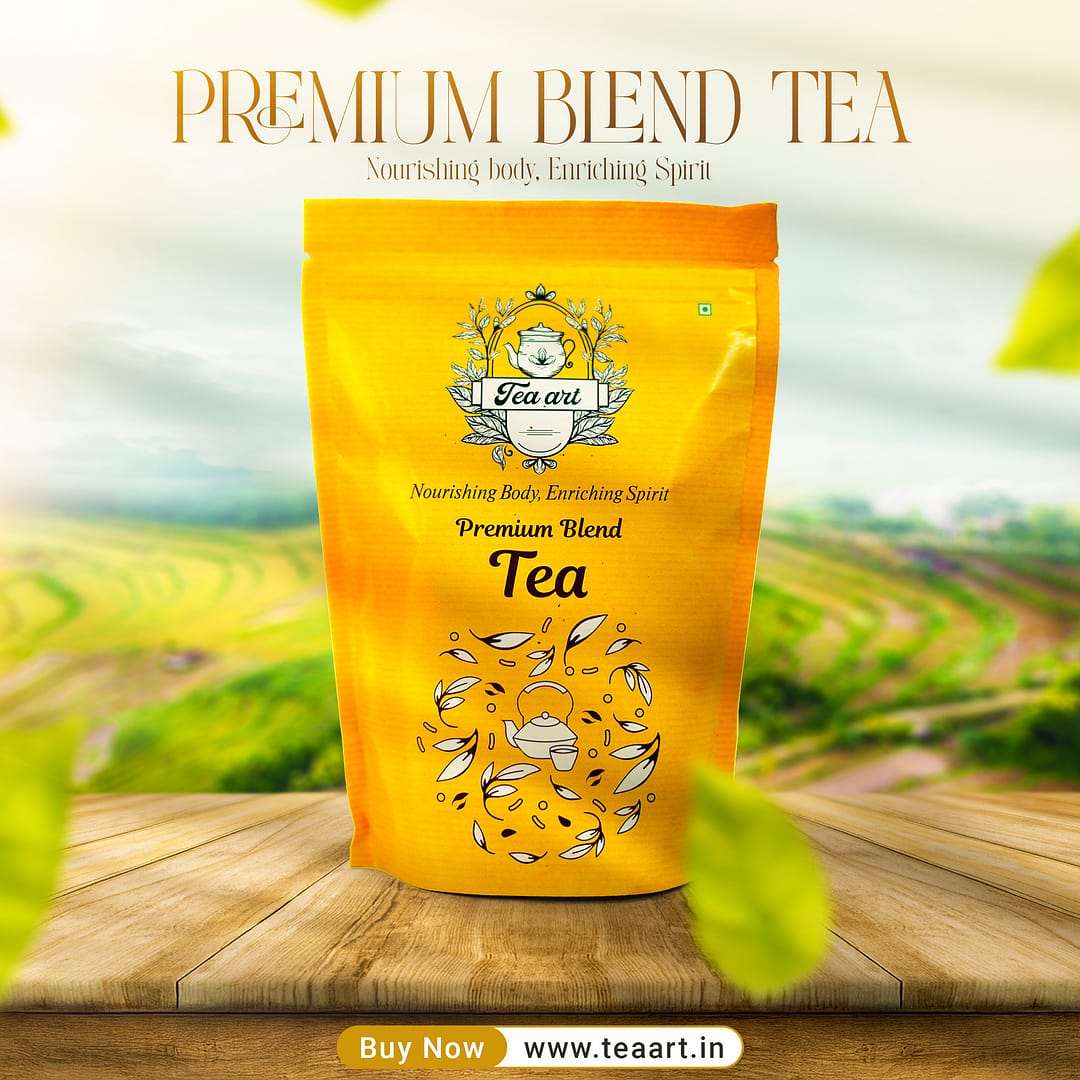
This tea hails from the cool Nilgiri hills in India. Its full, brisk profile makes it stand out. Expect a lively, slightly malty flavor with bright, refreshing notes. It’s perfect for mornings or when you need a strong, warming cup. The boldness holds up well with milk or sweetener, making it a versatile choice for breakfast or afternoon tea.
Suitable for: Morning energizers, hearty snacks, or when you want a satisfying, full-flavored brew.
—
White tea
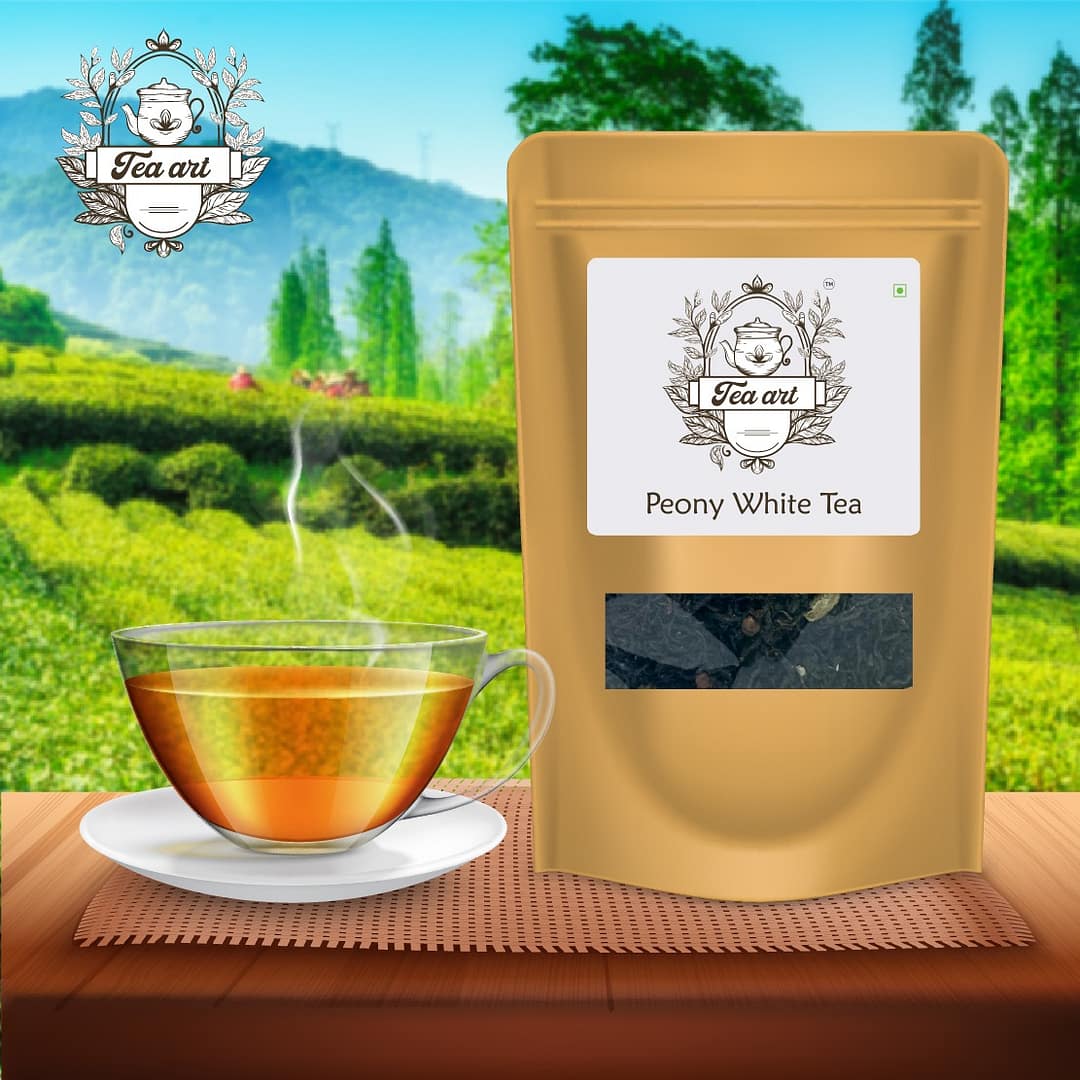
White tea is made from young tea leaves and buds, minimally processed. Its profile is delicate, light, and subtly sweet. Because of its gentle nature, it brews best at lower temperatures and shorter steeping times. It’s ideal for relaxing moments or when you prefer a softer taste experience.
Suitable for: Quiet mornings, light snacks, or anytime you want a gentle, refreshing sip.
—
Oolong tea
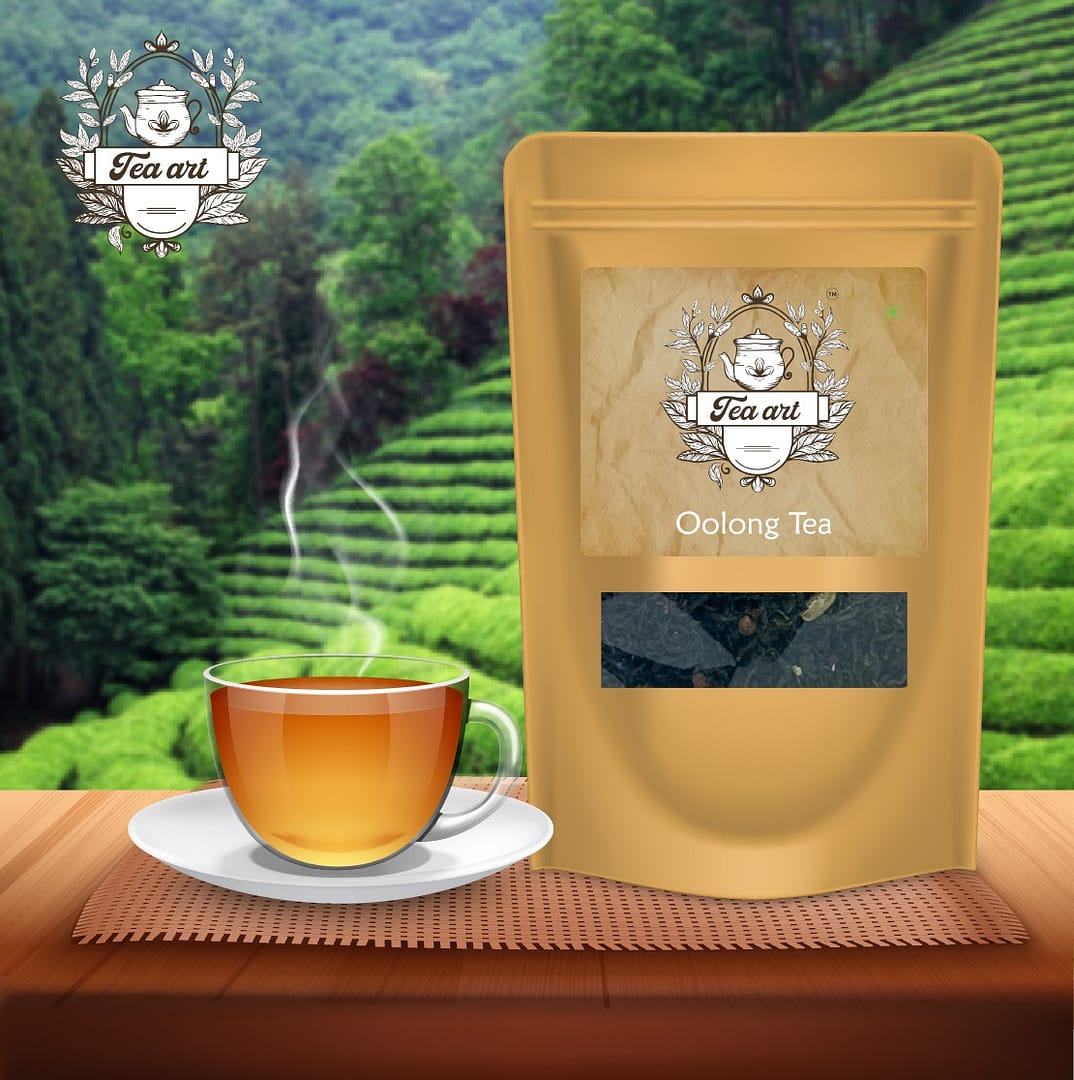
Oolong sits between green and black teas in oxidation. Partial oxidation gives it a complex flavor profile—sometimes floral, sometimes fruity, with a hint of nuttiness. Its versatility makes it popular for those who enjoy layered tastes. Oolong can be brewed strong or mild, depending on your mood.
Suitable for: Curious taster sessions, social gatherings, or when you want to explore tea’s depth.
—
Green tea and spice blends
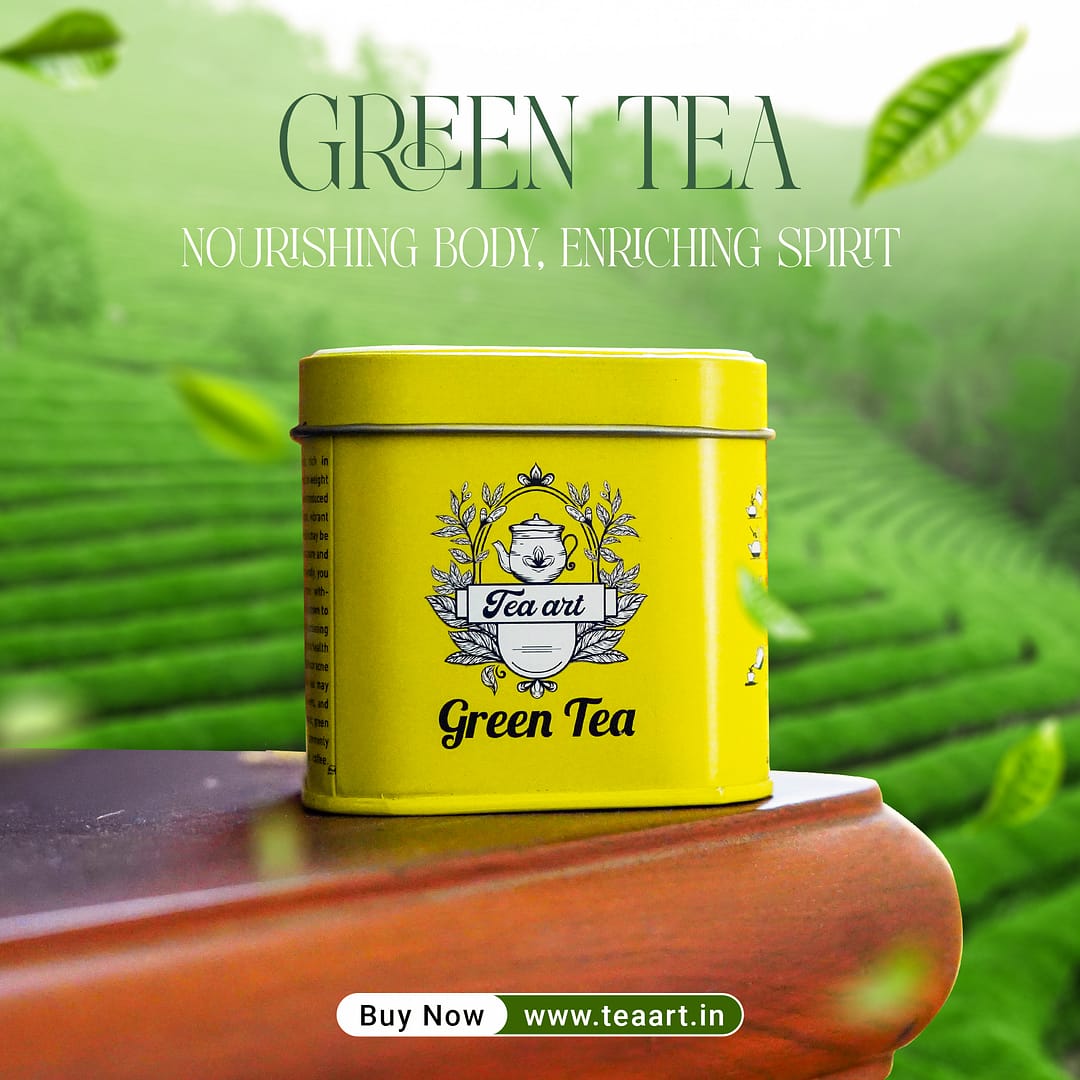
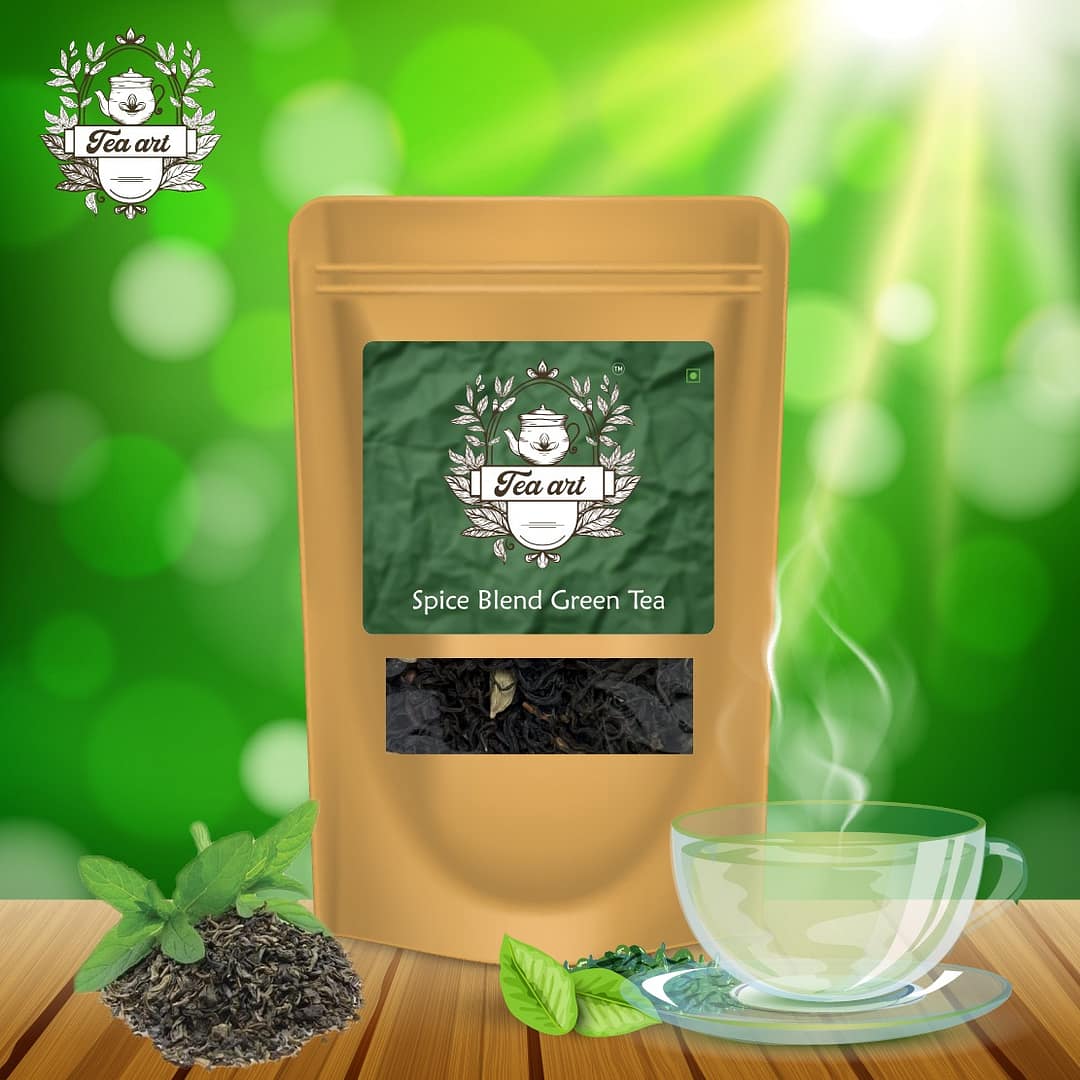
Lighter green teas have grassy, vegetal flavors and are brewed at lower temperatures. Some blends incorporate spices like cardamom, cinnamon, or ginger. These add warmth and complexity, perfect for cozy afternoons or post-meal digestion.
- Green tea base: Pure, grassy, slightly astringent.
- Spice blends: Richer, aromatic, with flavor profiles influenced by the spices used.
Suitable for: Afternoon refreshers, or when you want a flavorful, aromatic experience.
—
Comparison table of Tea Art’s special teas
| Tea/Style | Flavour | Practical Strength | Ingredients | Origin | Pack Size | Price | Water Temp | Steep Time | Product Page |
|---|---|---|---|---|---|---|---|---|---|
| Nilgiri Black Tea | Full-bodied, brisk | Strong | Black tea leaves | Nilgiri, India | 100g | ₹450 | 95°C | 3–4 min | Taste the Premium Blend Tea Best in India |
| White Tea | Light, delicate | Mild | White tea leaves, buds | Not confirmed on product listing | 50g | ₹650 | 75°C | 2–3 min | Buy the Best White Tea in India |
| Oolong Tea | Floral, fruity | Medium | Partially oxidized oolong leaves | Not confirmed on product listing | 75g | ₹550 | 85°C | 3–5 min | Buy The Best Oolong Tea |
| Green Tea & Spices | Grassy, aromatic | Light | Green tea leaves + spices | Not confirmed on product listing | 50g | ₹500 | 80°C | 2–3 min | Taste the Best Green Tea in India |
—
How to choose and brew loose-leaf special tea
Match taste, caffeine preference, and occasion
Your choice depends on what flavor you want and how much caffeine you prefer. For a morning boost, opt for a stronger tea like Nilgiri black. In the afternoon or evening, a gentle white or green tea might suit better. If you enjoy nuanced flavors, try oolong.
Think about the occasion: a quick energizer or a calming, mindful moment? Your answer guides the tea style.
Simple measured brewing method
1. Use about 1 teaspoon of loose-leaf tea per 8 oz (240 ml) of water.
2. Heat water to the recommended temperature:
- Black tea: 95°C
- White tea: 75°C
- Oolong: 85°C
- Green tea & spice blends: 80°C
3. Steep for the suggested time:
- Black tea: 3–4 min
- White tea: 2–3 min
- Oolong: 3–5 min
- Green & spice blends: 2–3 min
Adjust the steeping time to your taste. Longer steeping results in a stronger, more intense flavor.
Buying checklist
- Check if the tea is fresh and from a reputable source.
- Confirm the origin and ingredients.
- Choose a pack size that matches your consumption.
- Ensure the price fits your budget.
- Read brewing instructions on the package.
For more detailed tips, see our loose-leaf tea guide.
—
What makes a tea premium, and how processing changes its character
Premium teas meet high standards of quality, flavor, and processing. According to the Tea Board of India, quality starts with selecting the best leaves and involves precise processing steps.
Oxidation is key. It’s a natural enzymatic process that occurs when tea leaves are exposed to air. The degree of oxidation determines the style:
- Green teas are minimally oxidized (roughly 10-15%), preserving fresh, grassy flavors.
- White teas are mostly unoxidized, with a light, delicate profile.
- Oolong teas are partially oxidized (around 20-70%), balancing green and black qualities.
- Black teas are fully oxidized (around 100%), resulting in richer, darker flavors.
Processing methods—such as withering, rolling, oxidation, and firing—alter the tea’s character. The exact steps influence aroma, flavor complexity, and appearance. For example, longer oxidation enhances body and depth, while lighter processing retains freshness and subtlety.
High-quality processing adheres to strict standards, ensuring consistency and superior flavor. Learn more about premium tea standards.
—
This guide helps you compare and select your special tea based on taste, occasion, and brewing preferences. By understanding how processing influences flavor, you can appreciate each cup’s unique qualities.

Ready to Sip? Find Your Perfect Match in Tea Art’s Special Teas
Choosing the right tea isn’t just about picking a flavor—it’s about aligning your mood, time of day, and taste preference with the type of tea that will make each cup memorable. Whether you crave the boldness of Nilgiri black, the subtlety of white tea, the layered complexity of oolong, or the aromatic spice blends, Tea Art offers a variety of special teas to suit every occasion.
For a quick pick, consider:
- Nilgiri Black Tea for mornings that need a kick-start.
- White Tea for a gentle, calming moment.
- Oolong Tea when you’re in the mood for something layered and nuanced.
- Green and Spice Blends for cozy afternoons or post-meal refreshment.
Each of these teas can be tailored through simple brewing adjustments, making your tea experience both satisfying and easy to perfect at home.
A quick glance at our top picks:
| Style | Best For | Key Flavor | Price | Pack Size |
|---|---|---|---|---|
| Nilgiri Black | Morning energizer | Malty, brisk | ₹450 | 100g |
| White Tea | Quiet moments | Light, delicate | ₹650 | 50g |
| Oolong | Exploration | Floral, fruity | ₹550 | 75g |
| Green & Spices | Afternoon or digestion | Vegetal, aromatic | ₹500 | 50g |
Explore these options through their product pages. Find the one that resonates most with your taste and occasion, and enjoy the journey of discovering what makes each a special tea.
—
Special Tea FAQs
What does “special tea” mean?
The term “special tea” doesn’t refer to a specific type of tea but often signals a premium or uniquely processed tea. It could be a high-grade white, a carefully crafted oolong, or an aromatic spice blend. Essentially, it’s a label for teas that stand out because of their quality, processing, or distinctive flavor profiles. Think of it as a way to highlight teas that bring something extra to your cup—be it delicate flavor, complexity, or a special blend of ingredients.
Which tea is best for someone new to loose-leaf tea?
If you’re just starting out, go for a gentle, approachable option like white or green tea. White tea, with its light and subtle flavors, is forgiving and easy to brew. Green tea is also a good choice because it’s straightforward and offers fresh, grassy notes that aren’t overwhelming. These teas allow you to explore the nuances of loose-leaf without the risk of bitterness, especially if you follow recommended brewing temperatures and times.
How is oolong tea different from green and black tea?
Oolong falls somewhere in between green and black teas in terms of oxidation. While green tea is minimally oxidized and black tea is fully oxidized, oolong undergoes partial oxidation—around 20-70%. This process gives it a distinctive flavor profile that can be floral, fruity, or nutty, often with a richer body than green tea but lighter than black. It’s prized for its versatility and layered taste, making it a favorite for those who want a more complex tea experience.
How do you brew loose-leaf tea without making it bitter?
Brewing loose-leaf tea perfectly requires attention to water temperature and steeping time. Use the right temperature—about 75°C for white tea, 85°C for oolong, and 95°C for black tea—to prevent over-extraction. Steep each for the recommended duration: 2–3 minutes for white and green, 3–4 minutes for black, and 3–5 minutes for oolong. If the tea becomes too strong or bitter, reduce the steeping time or dilute with a little hot water. Remember, shorter steeping preserves delicate flavors, while longer steeping intensifies the taste—adjust until you find your ideal balance.
What other factors influence the flavor of special teas?
Freshness is key. Always check that your tea is stored in a cool, airtight container away from light and moisture. The origin and processing methods also play vital roles; high-quality, carefully processed teas will have richer, more nuanced flavors. Proper brewing techniques—correct water temperature, steeping time, and leaf-to-water ratio—are equally important to unlock each tea’s full potential.
—
This approach ensures your tea experience is tailored to your preferences, giving each cup its own unique character. Whether you’re seeking a bold wake-up or a soft moment of calm, understanding these nuances makes every sip a little more meaningful.