
When it comes to selecting the finest brews, understanding what defines premium tea is essential. Premium tea goes beyond just branding; it hinges on specific qualities that determine both flavor and health benefits. Knowing these criteria can transform your tea experience from average to extraordinary.
What Makes Tea Premium?
Premium tea is distinguished by five key criteria: leaf grade, flush timing, hand-plucking standards, processing methods, and provenance. Each element plays an integral role in ensuring quality, flavor, and health benefits. For instance, the leaf grade indicates the quality based on size, color, and aroma—higher grades like GD‑1 are often more flavorful and aromatic than lower ones.
Flush timing, or when the tea leaves are harvested, matters significantly. The first flush typically produces lighter, more delicate teas with vibrant flavors, while later flushes yield stronger profiles. Hand-plucking standards further emphasize quality, as only the finest leaves are chosen during harvest. Processing methods, which include oxidation and drying techniques, also impact flavor and nutrient retention.
Finally, provenance gives tea its unique character. Teas from renowned estates such as Darjeeling or Nilgiri come with distinct attributes shaped by regional terroir. Understanding these factors helps buyers choose the best quality, ensuring that you not only enjoy exceptional flavor but also experience the health benefits that premium tea has to offer.
Ready to dive deeper? Join us as we explore each criterion of premium tea, revealing how they influence your cup’s aroma and health benefits. Whether you’re a connoisseur or new to the tea world, knowing these essentials will elevate your selection process to a whole new level. For more details on premium tea, check out our comprehensive guide here: Explore Tea Art.
Understanding Premium Tea Quality
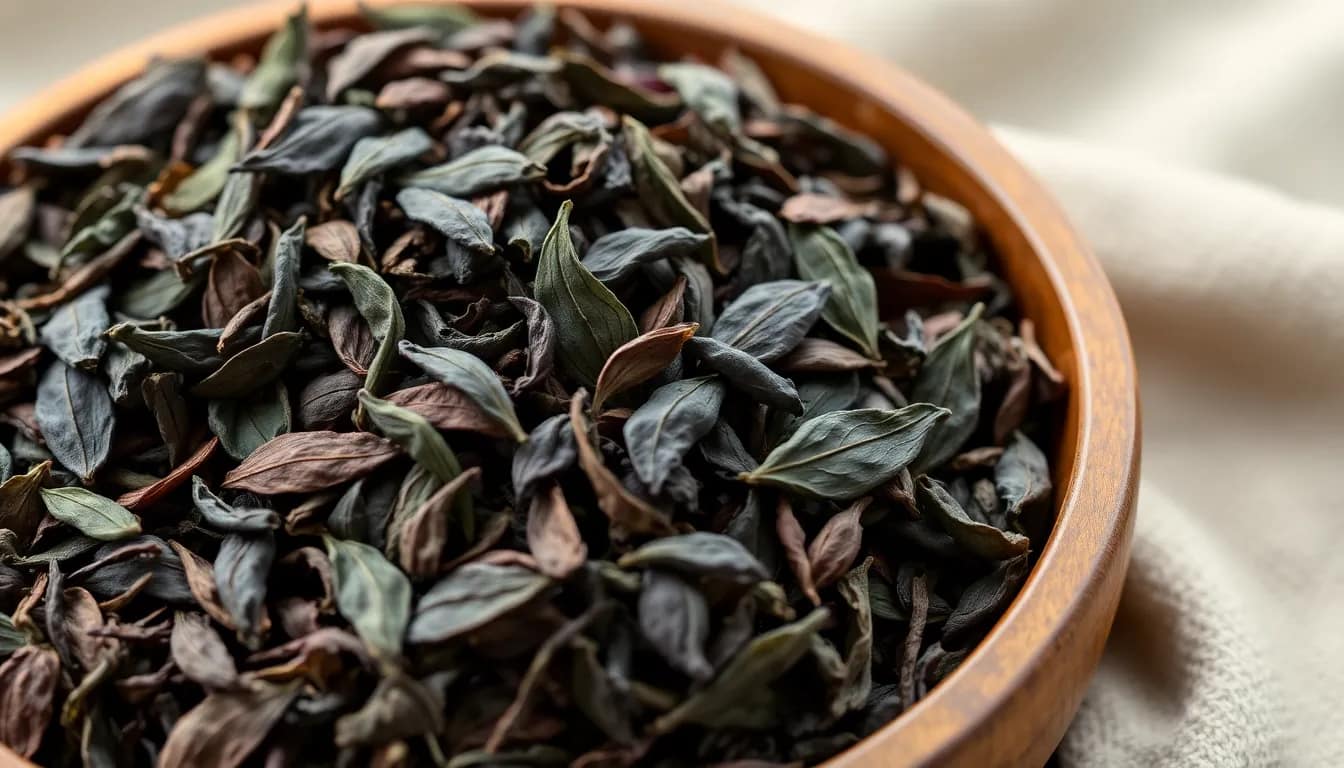
Premium tea quality rests on a clear, measurable standard. A practical way to see this is a five‑point rubric: leaf grade, flush timing, hand‑pluck standard, processing method, and provenance. When these elements align, you get consistent aroma, flavor, and health benefits. For buyers, this framework turns “premium tea” from a label into real criteria you can compare.
Think of your cup as a product of choice, not chance. The leaf grade signals depth and brightness; flush timing captures seasonal nuance; hand‑picking ensures only the best buds and tips enter the batch. Combined with careful processing and a trusted origin, these factors define true premium tea. If you’re evaluating a purchase, use the rubric to separate genuine quality from marketing fluff. This approach helps you select teas that deliver the experience you expect from premium tea.
Leaf Grade and Its Importance
Leaf grade is the most visible indicator of quality. It reflects leaf size, tip presence, and overall appearance. In Tea Art terms, higher grades emphasize more whole leaf and tender tips, which translate to cleaner infusions and more nuanced aroma. For example, a GD‑1 leaf tends to yield a delicate cup with pronounced aromatics, while GD‑3 may offer sturdier body with straightforward briskness. The grade correlates with how the leaf holds up to brewing and how long its flavors linger.
Real‑world example: Nilgiri and Darjeeling estates often publish grade charts that map to industry benchmarks like FTGFOP1 or FTGFOP2. A GD‑1 from a trusted estate can rival FTGFOP1 in brightness and fragrance, while GD‑2 sits comfortably between FTGFOP1 and FTGFOP2. This parallel helps you gauge quality across origins.
Seasonal flush timing is the next crucial piece. First flush teas tend to be lighter, with floral notes and high astringency, while second and third flushes bring deeper sweetness and more body. Understanding flush timing lets you anticipate flavor evolution, plan tastings, and pair teas with meals.
Seasonal Flush Timing
Harvest timing drives flavor trajectory. First flushes capture the spring’s early brightness, often described as garden‑fresh with an orchard finish. Mid‑season flushes blend brightness with mature fruit notes and a touch of spice. Late flushes lean toward fuller body, caramelization, and nuttier tones. For premium tea seekers, knowing the flush helps you choose matches for your mood and your brewing setup. In India, the harvest calendar varies by region—Nilgiri’s more staggered window vs. Darjeeling’s pronounced seasonal rhythm—so provenance and calendar details matter.
Comparison table: Tea Art grades vs industry benchmarks
| Tea Art Grade | Industry Benchmark Equivalent | Leaf Characteristics | Flavor Outlook | Ideal Brew Parameters |
|---|---|---|---|---|
| GD‑1 | FTGFOP1 (Fine Tippy Golden Flowery Orange Pekoe 1) | Small to medium leaf with prominent tips | Delicate, floral, bright | 75–85°C, 2–3 min, gentle pour |
| GD‑2 | FTGFOP2 | Medium leaves, balanced tips | Nuanced, fruity, refined | 80–90°C, 2–3 min, steady pour |
| GD‑3 | Orange Pekoe (OP) / FTGFOP3 variants | Larger leaves, straightforward aroma | Clean, brisk, versatile | 85–95°C, 3–4 min, longer steep |
Choosing the Right Premium Tea
With these standards in mind, selecting your premium tea becomes a guided choice, not a guess. If you want a bright, fast‑clearing cup for mornings, lean toward a GD‑1 or FTGFOP1 with a light roast. If you crave depth and versatility, a GD‑2 offers a flexible base for multiple brews without losing clarity. For everyday value and reliability, GD‑3 or OP types provide solid performance with broad compatibility to food.
To help you navigate quickly, Tea Art offers an interactive buying guide that lets you filter by health goals, flavor preferences, and brewing style. For practical exploration, see our quick start page here: https://teaart.in/hello-world/. And when you’re ready to compare more origins, try our leaf‑grade view alongside industry benchmarks to see how real estate standards translate into cup quality.
External resources you may find helpful:
Internal reading: for a deeper look at how premium tea quality translates to everyday drinking, visit https://teaart.in/hello-world/ and explore how our grading aligns with regional terroir.
Final Recommendation for Premium Tea
Premium tea is less a label than a careful combination of five criteria: leaf grade, flush timing, hand‑pluck standards, processing method, and provenance. When these align, you’ll taste clarity, aroma, and consistent quality in every cup. For buyers, this framework makes it possible to compare offerings across origins and brands with confidence. For example, GD‑1 or FTGFOP1‑level leaves typically promise brighter brightness and more delicate aroma than lower grades.
A practical approach is to pair your mood with the right grade. If you want a crisp, everyday cup, lean toward the higher leaf integrity of GD‑1. If you crave nuance and versatility, GD‑2 offers depth without complexity. For everyday value, GD‑3 or OP types deliver reliable performance. To start your search, explore Tea Art’s practical buying guide and see how grading translates to real cups. For a quick deeper dive, visit our overview here: https://teaart.in/hello-world/. Health and provenance matter too—the best premium tea comes from estates with transparent harvests and responsible practices, such as Nilgiri or Darjeeling, where seasonal timing shapes the cup as much as the leaf.
A careful choice today pays off tomorrow: you’ll enjoy consistency, aroma, and a tea experience that matches your intention whether you’re brewing for health, ritual, or a simple moment of calm.
FAQ on Premium Tea
What is the best way to brew premium tea?
Brewing starts with clean water and the right temperature. For greens and light oolongs in the premium tea category, aim for 75–85°C and a 2–3 minute steep. For richer oolongs or darker greens, 85–90°C for 3–4 minutes works well. Use about 2 grams of leaf per 8 oz of water, preheat your teapot, and pour slowly to awaken aroma. If you prefer bolder flavors, increase time by 30–60 seconds, not by heat.
How is premium tea sourced?
Premium tea sourcing weighs estate traceability, certification, and farming practices. Reputable brands disclose growing regions, harvest calendars, and certifications or ethical standards. In India, for example, Nilgiri and Darjeeling estates often publish clear grading, flush timing, and sustainability commitments. Tea Art emphasizes transparent sourcing and works with estates that meet strict quality and ethical guidelines. Learn more about our sourcing approach in our team notes and regional stories.
What are the health benefits of premium tea?
Premium tea delivers polyphenols and caffeine that contribute to alertness and overall antioxidant intake. Green components, like catechins, mix with the richer polyphenols found in more oxidized teas, offering a broad health profile. Real benefits come from consistent consumption, quality leaves, and mindful brewing—not a single cup.
How does leaf grade influence flavor?
Smaller leaves with prominent tips (higher grades) tend to yield lighter, more aromatic cups with nuanced sweetness. Larger leaves or lower grades give fuller body and briskness. Grade also affects how well flavors hold up through multiple infusions, so you can choose based on whether you want a quick bright sip or a longer tasting journey.
How should I store premium tea to preserve quality?
Store premium tea in a cool, dark place, in airtight containers away from light, heat, and moisture. Avoid frequent exposure to air and strong odors. For best flavor, use within several months to a year, depending on leaf type. Consider small, weekly purchases if you’re refining a favorite grade and want to maintain peak freshness.
Closing thought: with a clear grading framework, transparent sourcing, and thoughtful brewing, premium tea becomes a reliably rewarding part of daily life.