
Masala chai, the iconic Indian spiced tea, is much more than just a beverage; it’s a vital thread in the fabric of Indian culture. With its deep-rooted traditions and diverse regional variations, understanding india tea masala chai opens a window into the rich history and social significance of this beloved drink.
The Essence of Masala Chai
Masala chai, a beloved Indian spiced tea, originates from centuries-old traditions. Its cultural significance transcends mere refreshment, acting as a social catalyst in Indian society. From bustling roadside stalls to ceremonial gatherings, masala chai plays a vital role in connecting people. It embodies hospitality and warmth, serving as a bridge in countless conversations throughout India.
Yet, the journey of india tea masala chai is as complex as its flavor. Regional variations add layers of spice and preparation methods that highlight the diversity of India’s culinary landscape. Some regions emphasize a milder brew, while others dare to add fiery spices that ignite the senses.
In the sections that follow, we will explore the historical roots of masala chai and how it became embedded in Indian culture. We’ll unpack the various regional adaptations, supported by captivating stories from chai producers across the country. Get ready to dive into the aromatic world of masala chai, as we uncover its significance, preparation methods, and the heartwarming narratives that surround this quintessential beverage. For those looking for recipes, don’t forget to check out our comprehensive guide on masala tea powder recipes.
Exploring the Regional Variations of Masala Chai
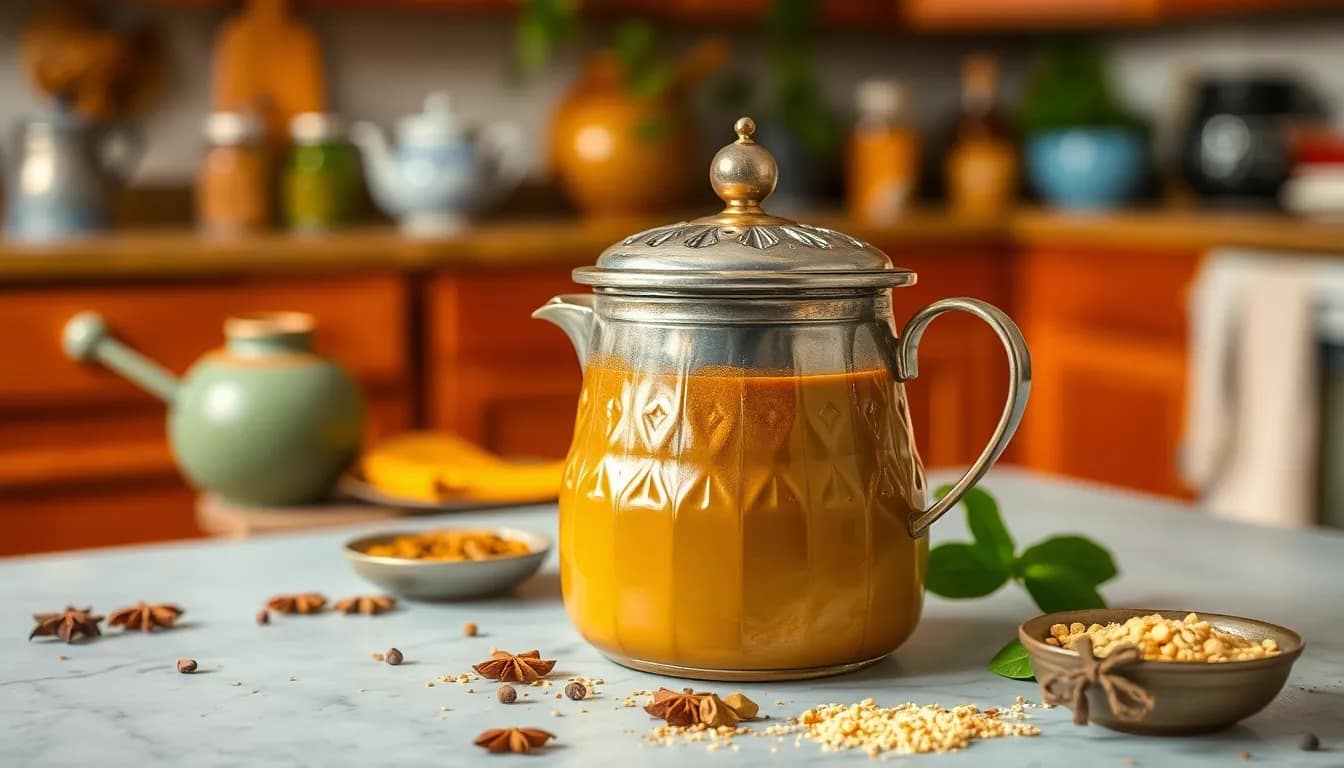
india tea masala chai varies from region to region, carrying local aromas, herbs, and stories. In the north, bold spices mingle with strong black tea to create a warm, milk-forward cup. In the south, spices mingle with coconut milk or buffalo milk, producing a lighter, sometimes brighter profile. The differences reflect climate, agriculture, and daily rhythms across India.
A simple scene helps illustrate the contrast. A Delhi chai wallah might simmer cardamom, ginger, and cloves with a sturdy tea base, serving a robust mug at dawn. In contrast, a Bengaluru kitchen may lean toward peppercorn, fennel, and curry leaves, yielding a fresher, more aromatic finish. This is part of what makes india tea masala chai so rich: regional taste palettes steer the spice blend as much as the tea itself. For a historical lens, see Wikipedia’s Masala chai page and explore how regional traditions shaped the blend over centuries.
North Indian Chai Styles
- Core spice profile: cardamom, ginger, cinnamon, cloves
- Tea strength: sturdy black tea base, often brewed long
- Milk use: generous, with milk or cream in many households
- Typical scene: morning street stalls and family kitchens
South Indian Adaptations
- Core spice profile: black pepper, fennel, cardamom, cinnamon, cloves
- Milk use: can lean toward lighter milk or coconut milk
- Flavor twist: brighter aroma, sometimes with a hint of sweetness from jaggery
- Typical scene: home kitchens and coastal tea stalls where coconut flavors appear
Real-world example: a Tamil Nadu home may pair masala with fennel and curry leaves for a distinct, aromatic sip, while a Punjabi kitchen favors a dense spice blend with a creamy finish. For readers curious about ready-made blends, brands from both regions offer authentic options that capture these nuances, such as traditional masala chai teas India masala blends and classic spice-forward bottles Tea India Masala Tea.
Spice table: spices used in different regions
| Spice | North Indian Style | South Indian Style |
|---|---|---|
| Cardamom | Primary in most blends | Common but less dominant |
| Ginger | Key to bite and warmth | Used but milder in some mixes |
| Cinnamon | Frequent companion | Often included |
| Cloves | Common in many blends | Present in some profiles |
| Black pepper | Occasional with intensity | Frequently used for heat and aroma |
| Fennel seeds | Less common | Very common, aromatic note |
| Curry leaves | Rare in traditional blends | Frequent in coastal blends |
| Nutmeg / Mace | Occasional accents | Less common, limited use |
The Art of Brewing the Perfect Masala Chai by Tea Art
Brewing masala chai well means matching water quality, spice balance, and milk texture. Start with a fragrant spice blend and a robust black tea. Bring water to a simmer, add spices, then the tea, and let it steep briefly. Add milk and simmer again until the aroma fills the kitchen. Strain and sweeten to taste. If you want a convenient route, our masala chai tea bags offer consistently balanced blends you can trust masala chai tea bags. For deeper exploration, try experimenting with regional spice ratios to discover your preferred profile. More insights and ready-to-use blends are available from trusted sources including Indian Healthy Recipes masala tea, VaHDam masala chai, and Tea India masala blends.
If you want to visualize the journey, a quick regional guide helps you choose a blend for the moment. North Indian styles shine at breakfast time with bold spice notes, while South Indian adaptations work beautifully for midday rituals with a lighter, zesty finish. The key is picking a blend that respects tradition while inviting daily pleasure.
Final Verdict / Recommendation for India Tea Masala Chai
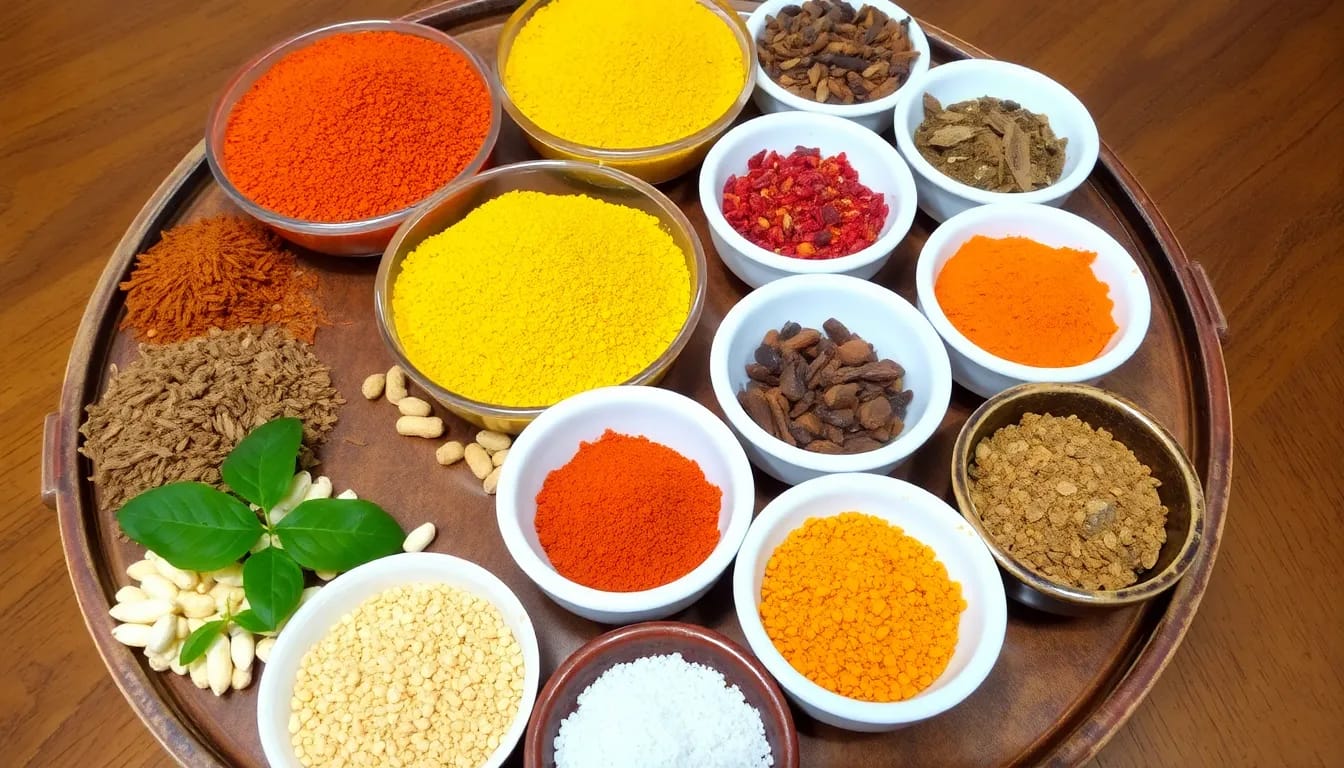
For fans of india tea masala chai, the best path blends respect for tradition with personal taste. If you crave a true, spice-forward experience, stick to classic masala blends and robust tea. If you prefer a lighter, more fragrant cup, adjust the spice balance and use less milk. The core remains: quality ingredients, balanced heat, and patient simmering.
A practical approach is to offer both styles at home or in a gathering. Start with a straightforward masala chai and pair it with a milder version to show how regional twists change the profile. For everyday comfort, a ready masala blend can get you there quickly; for rituals, grind fresh spices and tailor the mix to the moment. For inspiration, explore a reliable starter like masala blends from trusted sources, then refine your own signature mix. If you want a hands-on entry, a simple, dependable option is available at Tea Art masala chai tea bags.
In short, india tea masala chai invites both heritage and experimentation. It’s less about chasing novelty and more about honoring a scent-filled memory in every cup. When you brew with intention, you honor generations of tea culture while making room for personal comfort and hospitality.
For deeper context and regional nuance, consider reading broader guides and recipes from credible sources to broaden your understanding of how traditions travel and adapt. See quick, reputable references for flavor, technique, and history:
FAQ on India Tea Masala Chai
What are the key ingredients in masala chai?
A classic blend centers on black tea with a spice mix such as cardamom, ginger, cinnamon, and cloves. Some versions add black pepper, fennel, or curry leaves. Dairy or plant milk often comes in to taste, but the spice foundation stays the same.
How does masala chai differ from regular chai?
Masala chai means spice-infused tea. Regular chai can be simply spiced tea, but masala chai elevates the spice profile with a defined blend. The result is more aromatic, richer, and typically served with milk.
What health benefits does masala chai offer?
Ginger and cinnamon bring anti-inflammatory notes, while cardamom supports digestion. Black tea provides caffeine and antioxidants. Keep sugar in check to maximize health benefits, and choose milk options that fit your routine.
Is masala chai caffeinated?
Most masala chai uses black tea, so it contains caffeine. You can opt for decaf black tea if you want the flavor without caffeine, or experiment with green tea bases for a lighter lift.
How can I customize my spice blend at home?
Start with a core trio—cardamom, ginger, and cinnamon—and tweak according to your palate. Add fennel for a subtle sweetness, pepper for bite, or curry leaves for a coastal twist. Keep notes on ratios so you can reproduce your preferred cup consistently.