Choosing the right masala tea powder can transform your daily brew into a flavorful experience, offering not just taste but also a wealth of health benefits. With a myriad of options available, understanding how to select quality blends that suit your preferences is essential.
How to Choose the Best Masala Tea Powder?
When searching for the best masala tea powder, it’s crucial to focus on quality. Not all blends are created equal; some offer vibrant spices while others may fall flat. Understanding the ingredients, from cardamom to ginger, allows you to appreciate each variety’s unique flavor profile and health advantages. Besides flavor, look for information on the sourcing of ingredients—this transparency builds trust and ensures you’re getting the purest product for your cup. For trustworthy options, visit our guided overview on tea blends: https://teaart.in/test/. Additionally, check out a popular choice like Soul Chai’s Original Masala Chai Powder for an example of a high-quality product.
What Makes Masala Tea Powder Unique?
What sets masala tea powder apart from regular tea blends is the fusion of spices that create a rich, aromatic experience. Each ingredient plays a specific role, not only adding to the flavor but also contributing potential health benefits. For instance, spices like cinnamon can aid digestion, while black pepper may boost metabolism. To truly appreciate what goes into these blends, a detailed recipe can provide insights into ratios and preparation methods. For a benchmark recipe that showcases the vibrant flavors of masala tea, consider Hebbar’s Kitchen for a chai masala powder recipe that you can easily replicate at home.
Now, let’s delve deeper into the world of masala tea powder and discover how to elevate your tea experience!
Key Ingredients in Masala Tea Powder
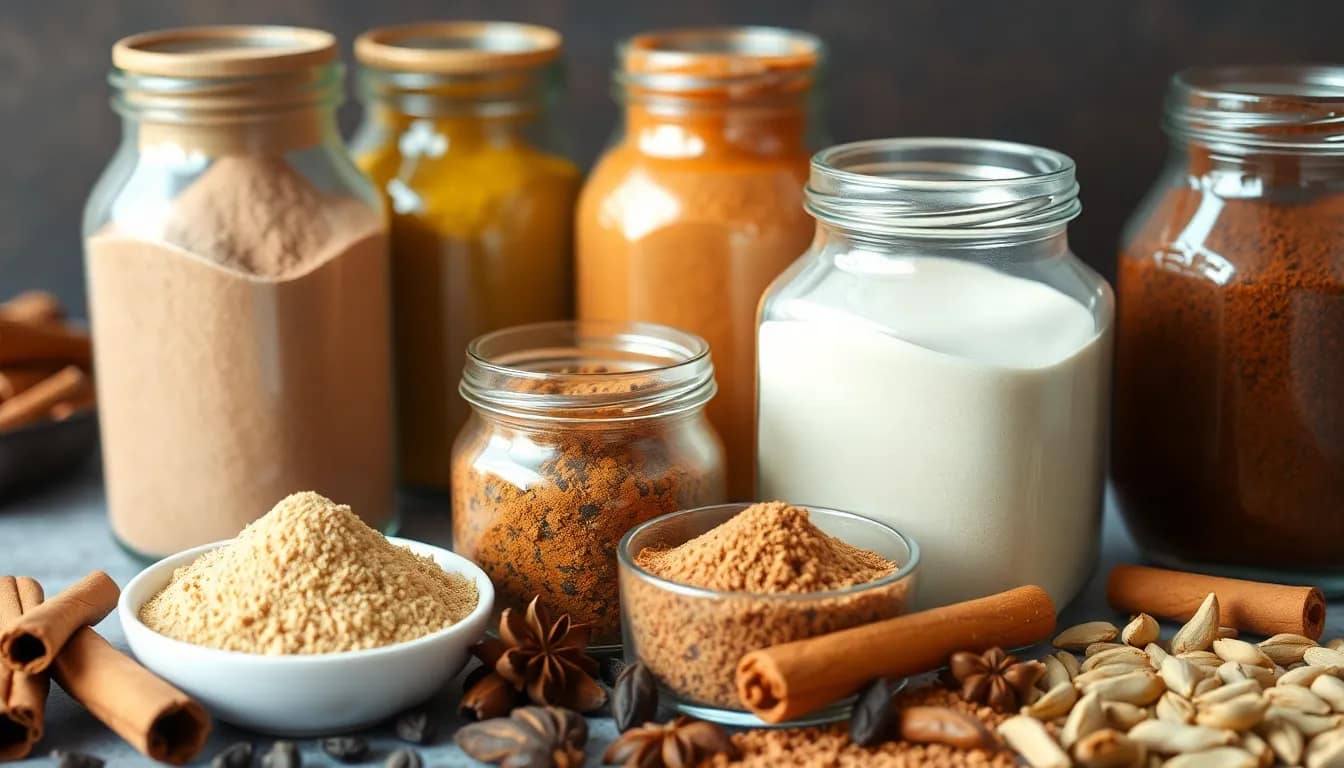
Masala tea powder blends bold spices into a single comforting cup. The masala tea powder you choose shapes heat, aroma, and balance in every sip.
Common spices—cardamom, ginger, cinnamon—bring distinct health and flavor notes to masala tea powder. These spices work together in masala tea powder to support digestion and warmth without heaviness. Beyond the big three, cloves, black pepper, fennel, and nutmeg add depth, brightness, or a gentle sweetness. A well‑balanced blend highlights each spice rather than letting one dominate, so your cup stays vibrant without bitterness. If you want a quick, visual primer on spice roles, check the educational video linked here: https://www.youtube.com/watch?v=tGtihUdxEts.
A quick sourcing tip: look for blends that disclose ingredient origins and spice ratios. Transparent labeling helps you pick masala tea powder that aligns with your health goals and taste preferences. Real‑world note: some blends lean heavily on ginger for heat, while others emphasize cardamom’s floral lift. Try a few to map your preferred spice profile.
Preparation Techniques
- Start with the right base: heat 250 ml (about 8 oz) of water to a gentle simmer, not a violent boil.
- Add the masala tea powder: 1–2 teaspoons per cup is a solid starting point; adjust for stronger or lighter flavor.
- Brew time: simmer for 3–5 minutes to unlock spice oils without scalding the tea.
- Creamy option: add milk or a non‑dairy alternative if you prefer a fuller body; for a classic taste, go with whole milk.
- Sweeten to taste: brown sugar or jaggery pairs well with warmth from cinnamon and cloves.
- Strain and serve: pour into a cup, discard the solids, and enjoy. For a quick explainer on benefits and spice roles, see our guide at https://teaart.in/spicy-masala-tea-benefits.
- Classic chai masala powder: robust black tea with cardamom, ginger, cinnamon, cloves, and pepper for traditional flavor and traditional health notes; great for daily indulgence.
- Ginger-forward blends: extra ginger for a sunny kick and digestive comfort; milder on cinnamon and cardamom to keep heat in check.
- Floral‑bright blends: more cardamom and a hint of nutmeg or saffron for a sweeter, aromatic cup with a softer finish.
- Citrus‑spiced blends: a dash of orange or lemon zest to lift the spice and add brightness without losing depth.
- Nutmeg‑heavy or vanilla‑tinged blends: smoother, dessert‑like profiles that still carry chai warmth.
For more recipe inspiration and technique, the video linked above is a handy reference, and you can also explore variations at https://hebbarskitchen.com/chai-masala-powder-recipe-masala-tea/.
Variations of Masala Tea Powder
For a practical variation reference, see the masala powder recipe variations at https://hebbarskitchen.com/chai-masala-powder-recipe-masala-tea/.
Cultural Significance of Masala Tea
Masala tea holds a central place in many South Asian households, where tea rituals blend hospitality, conversation, and daily routines. The ritual often begins with grinding fresh spices, then simmering them with tea and milk to create a comforting aroma that fills the room. Sharing a cup is a social cue—tea becomes a bridge between generations, a way to welcome guests, and a daily comfort during monsoon or winter.
Historical Use: masala tea powder has evolved from home kitchens to branded blends, carrying centuries of spice lore in every cup. Traditional recipes emphasize balance—sweetness tempered by spice warmth, and milk to soften edges without masking the spice notes. A settled favorite today remains a straightforward chai masala powder prepared with black tea, milk, and a touch of sugar, as shown in classic demonstrations and family cookbooks. For further context on historical use and authentic practice, explore Soul Chai’s original masala chai powder page: https://www.soulchai.com/soul-chai/p/1lb-original-masala-chai-powder?srsltid=AfmBOormWO4xAswVxyE3Q9STbCOMK2p9fGGXzZcY1paKGKjZGkY1xIhP.
Final takeaway: masala tea powder isn’t just a spice mix; it’s a doorway to tradition, healthful benefits, and personalized flavor. Start with a trusted blend, experiment with ratios, and savor how culture and chemistry come together in every comforting cup.
Transform Your Experience with Masala Tea Powder
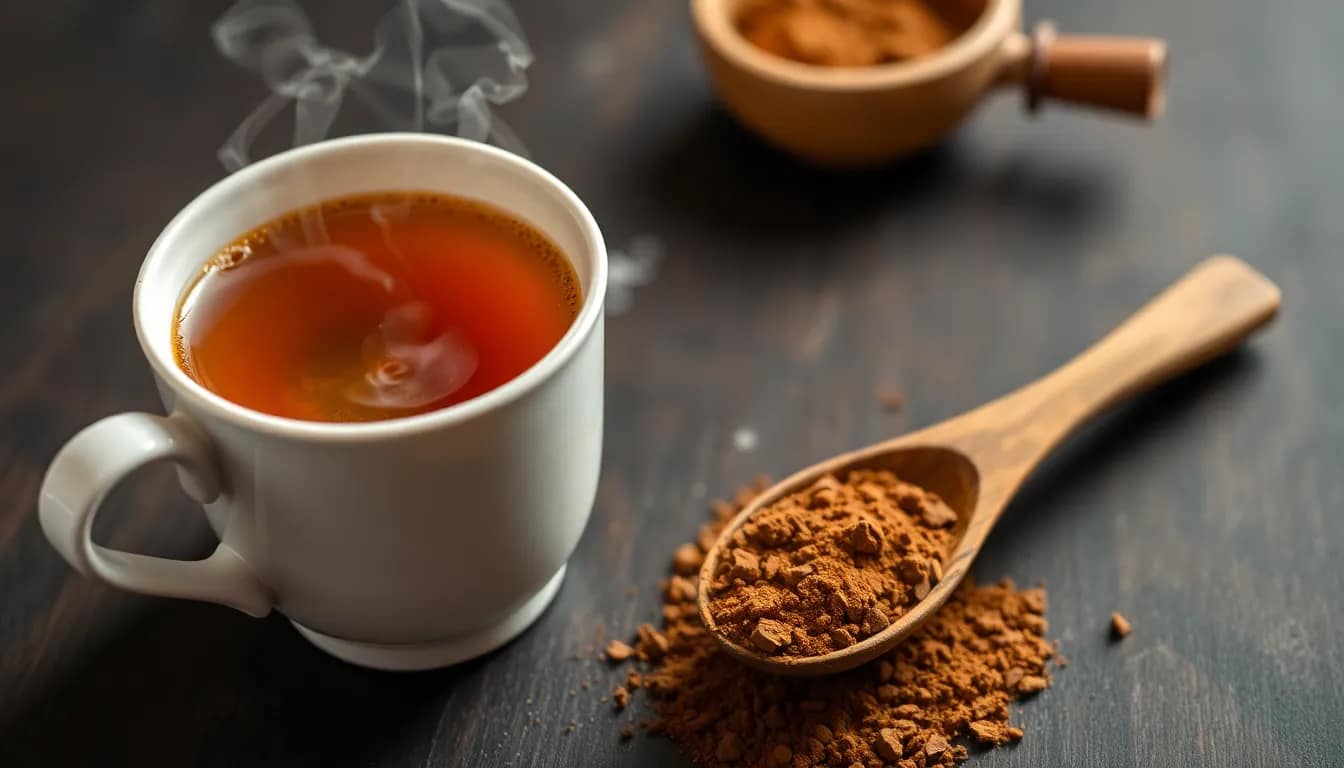
Masala tea powder can elevate your daily brew from ordinary to comforting and complex. The right blend delivers warmth, aroma, and a balanced spice profile that suits your mood and health goals. With thoughtful selection, you’ll enjoy a richer cup and a clearer sense of what’s in your blend.
Key benefits come from the spices themselves: digestion support, anti-inflammatory notes, and a natural energy lift from black tea. Preparation matters too—start with a clean pot, measured spices, and the right liquid ratio to keep the flavors singing without overpowering heat. If you want extra guidance, our hello-world resources offer foundational ideas to expand your spice journey: https://teaart.in/hello-world/.
For those who like to dig deeper, consider how different spice ratios shape aroma and body. A small tweak—more ginger for brightness, more cardamom for floral lift—can transform a cup in seconds. The beauty of masala tea powder is how personal it can feel, turning a routine into a small ritual each day.
FAQ for masala tea powder
What is masala tea powder made of?
Most masala tea powder blends combine a black tea base with spices like cardamom, ginger, cinnamon, cloves, black pepper, fennel, and sometimes nutmeg or star anise. Ratios vary by brand, giving you everything from bold heat to a softer, sweeter finish. For a practical ingredient guide, you can explore a detailed blend recipe here: https://hebbarskitchen.com/chai-masala-powder-recipe-masala-tea/.
How can I brew masala tea?
Here’s a simple approach: 1–2 teaspoons of masala tea powder per cup of water, simmer 3–5 minutes, add milk if you like, then strain and sip. Want a visual step-by-step? Check the educational video: https://www.youtube.com/watch?v=tGtihUdxEts.
What are the health benefits of masala tea?
Spices like ginger, cinnamon, and cardamom have long‑standing uses for digestion, inflammation, and circulation, while black tea contributes antioxidants. Benefits vary by spice and concentration, but many people enjoy a warm cup for comfort and subtle wellness. For a product‑level look at health claims, see Soul Chai’s masala chai powder page: https://www.soulchai.com/soul-chai/p/1lb-original-masala-chai-powder?srsltid=AfmBOormWO4xAswVxyE3Q9STbCOMK2p9fGGXzZcY1paKGKjZGkY1xIhP.
Is masala tea powder vegan and gluten-free?
In most cases, yes—these blends are vegan and gluten-free, especially when the base tea and spices are pure. Always check the label for any added flavorings or carriers. For a product example, see the Soul Chai powder listing above.
How do I adjust spice levels for different tastes?
Start with the milder end and gradually increase ginger or pepper if you like more kick. If you prefer a smoother cup, lean toward cardamom and cinnamon. Small batches are a great way to dial in your perfect balance before making a bigger batch.
What is masala tea powder made of?
Masala tea powder is typically made from a blend of aromatic spices such as cardamom, cinnamon, ginger, cloves, black pepper and sometimes nutmeg or fennel. Recipes vary by region and preference. Tea Art’s masala tea blends combine carefully selected ingredients to create a warming, fragrant cup.
Which masala is best for tea?
The best masala for tea depends on your preferred flavor, but a balanced blend commonly includes cardamom, cinnamon, ginger, cloves and black pepper. Cardamom adds sweetness, while ginger and pepper provide warmth. Tea Art’s masala tea is designed to deliver a balanced combination of these traditional flavors.
Is masala tea good for health?
Masala tea can be part of a balanced diet, particularly because its spices contain naturally occurring plant compounds. However, it is not a medicine or treatment. The overall nutritional profile also depends on how much sugar and milk are added. Tea Art recommends enjoying masala tea in moderation.
How to make tea masala powder at home?
To make tea masala powder, combine spices such as cardamom, cinnamon, ginger, cloves and black pepper. Lightly roast whole spices if desired, let them cool, and grind them into a fine or slightly coarse powder. Store the mixture in an airtight container away from heat and moisture.
Is masala tea healthier than coffee?
Masala tea and coffee have different nutritional and caffeine profiles, so neither is automatically healthier for everyone. Masala tea contains spices and generally less caffeine than coffee, depending on preparation. Choosing less sugar and moderate portions can make either beverage a better fit for a balanced diet.
Is masala powder good for health?
Masala powder made from spices such as ginger, cardamom, cinnamon and cloves can add flavor while providing naturally occurring plant compounds. However, its health impact depends on the overall diet and quantity consumed. Masala powder should be viewed as a flavorful ingredient, not a substitute for medical treatment.
Who should not drink masala tea?
Most healthy adults can enjoy masala tea in moderation. People sensitive to caffeine may need to limit it, while those with specific medical conditions, dietary restrictions or medication concerns should ask a healthcare professional. Masala tea can also contain considerable sugar when prepared as a sweetened milk tea.
What is the healthiest tea to drink daily?
There is no single healthiest tea for everyone. Unsweetened green, white, black and herbal teas can all fit into a balanced diet. The best choice depends on caffeine tolerance, personal preference and dietary needs. White or green tea can be good options when you want a lighter, unsweetened beverage.
Can you drink masala tea every day?
Yes, most healthy adults can drink masala tea every day in moderation. The main factors to consider are caffeine, added sugar and portion size. Choosing a balanced spice blend and limiting excessive sugar can make daily masala tea a reasonable part of a varied, balanced diet.