
Peony white tea, also known as Bai Mu Dan, is more than just a delicate drink; it’s a journey through flavor, health, and tranquility. But with so many options out there, it can be a challenge to find high-quality sources that truly capture its essence. Let’s dive deeper into what makes this tea unique.
What is Peony White Tea?
Peony white tea refers to the tender buds and leaves harvested from the Camellia sinensis plant, celebrated for its light, floral flavor and subtle sweetness. Often recommended for tea enthusiasts seeking refinement, this tea stands out for its delicate processing and craftsmanship—a method that preserves the integrity of its natural taste. However, hunting for reliable sources and clear information about Bai Mu Dan can feel overwhelming. Many descriptions skim over essential details about origin and grading, leaving you guessing about what’s in your cup. For a concise overview of Bai Mu Dan’s history and characteristics, check out this Wikipedia entry.
Why Choose Peony White Tea?
Choosing peony white tea isn’t just about taste; it’s about investing in your health. With its rich antioxidants and low caffeine content, this tea promises not only a refreshing experience but also potential benefits such as stress relief and improved digestion. Navigating the nuances of different grades can further enhance your tea-drinking journey. If you want to explore the ideal product to kickstart your experience, take a closer look at this organic white peony tea benchmark. Now, let’s uncover the intricate world of peony white tea, from its origins to its brewing secrets, unlocking all the delightful surprises waiting in your cup.
What is the Origin of Peony White Tea?
Peony white tea (Bai Mu Dan) traces its roots to the mist‑covered hills of Fujian Province, China, where tea masters have cultivated the Camellia sinensis plant for over 300 years. The name “Peony” comes from the tea’s elegant, flower‑like appearance—silvery buds that unfurl like a blooming peony. Historically, local monks harvested the first spring pluck, believing the early‑season buds captured the mountain’s pure energy. Today, the most prized harvests still come from the Tai Mu Mountain region, where soil rich in limestone and a cool, humid microclimate create the perfect terroir for delicate white tea. For a detailed look at the mountain’s specific conditions, see the White Peony King origin page.
The legacy of peony white tea isn’t just romance; it’s measurable quality. A 2022 survey of 12 specialty tea houses reported that 68 % of their best‑selling white teas were sourced from Fujian’s “white tea belt,” underscoring the region’s dominance. This historical continuity explains why connoisseurs worldwide still chase the same spring buds that monks prized centuries ago.
Where is Peony White Tea Sourced?
Modern peony white tea is harvested in three main zones:
1. Fujian’s Tai Mu Mountain – the classic source, known for “White Peony King” leaves that combine a single bud with two to three young leaves.
2. Yunnan’s Lincang County – emerging growers here benefit from higher altitude, yielding a brighter, slightly herbaceous cup.
3. Zhejiang’s Hangzhou outskirts – a smaller niche that produces a sweeter, honey‑toned variant.
Each region’s climate influences leaf size, bud density, and ultimately flavor. For example, a tea lover in Seattle who ordered a single‑origin batch from Tai Mu reported a “silky mouthfeel with a hint of apricot” compared with a Yunnan batch that tasted “crisp and grassy.”
If you’re curious about how sourcing decisions affect your brew, explore our field notes on the ground at TeaArt’s Hello World page.
How is Peony White Tea Processed?
Processing is the silent hero behind peony white tea’s subtle profile. After hand‑picking, the buds and leaves undergo a two‑step method:
1. Withering – Fresh plucks are spread on bamboo trays in a cool, shaded room for 12–18 hours. This gentle air‑drying reduces moisture by about 30 % while preserving the natural enzymes that create the tea’s floral aroma.
2. Drying (or “baking”) – The withered leaves are then transferred to a low‑heat oven (around 80 °C) for 20–30 minutes. This step halts oxidation and locks in the sweet, melon‑like notes. Some premium producers add a brief “sun‑dry” finish to enhance the tea’s natural sugars.
The exact temperature and duration can vary by estate, but the goal is always the same: retain the silvery hairs on the buds and avoid any green‑leaf bitterness. For a benchmark of industry‑standard processing, refer to the Rishi Organic White Peony processing guide.
How to Brew Peony White Tea Effectively?
Brewing peony white tea is an exercise in precision. Because the leaves are delicate, too much heat or time can scorch the buds, turning a graceful cup into astringent bitterness. Follow the steps below for a consistently smooth brew.
1. Measure – Use 2 g of loose‑leaf peony white tea per 150 ml (5 oz) of water.
2. Heat – Bring filtered water to the target temperature (see next section).
3. Rinse – Quickly pour a splash of hot water over the leaves and discard. This “awakens” the buds and removes dust.
4. Steep – Add the measured hot water, cover, and let steep for the recommended time.
5. Serve – Pour into a pre‑warmed cup to maintain temperature, and enjoy the aroma within 30 seconds of pouring.
A simple scenario illustrates the impact: a busy office worker who steeped her peony white tea at 95 °C for 5 minutes ended up with a bitter brew. When she switched to 80 °C and a 2‑minute steep, the cup transformed into a light, honey‑sweet sip that kept her focused for the next three hours.
What Temperature and Time are Best?
The sweet spot for peony white tea lies between 75 °C and 85 °C (167 °F–185 °F), with a steeping time of 2–3 minutes. Lower temperatures preserve the tea’s subtle floral compounds, while the short infusion prevents over‑extraction of tannins.
| Temperature | Time | Result |
|---|---|---|
| 75 °C (167 °F) | 2 min | Delicate, slightly sweet, ideal for first‑round tasting |
| 80 °C (176 °F) | 2.5 min | Balanced flavor, mild fruit notes, good for daily drinking |
| 85 °C (185 °F) | 3 min | Fuller body, brighter aroma, suitable for cold‑brew base |
If you need a quick reference, the Wikipedia entry on Bai Mu Dan offers a concise brewing table: Baimudan tea brewing recommendations.
Pro tip: Adjust the water‑to‑leaf ratio by 0.5 g increments if you prefer a stronger cup, but keep the temperature constant to avoid bitterness.
By respecting the tea’s origin, sourcing, and processing nuances, and by mastering the precise brew parameters, you’ll unlock peony white tea’s full potential—smooth, fragrant, and health‑supporting with every sip.
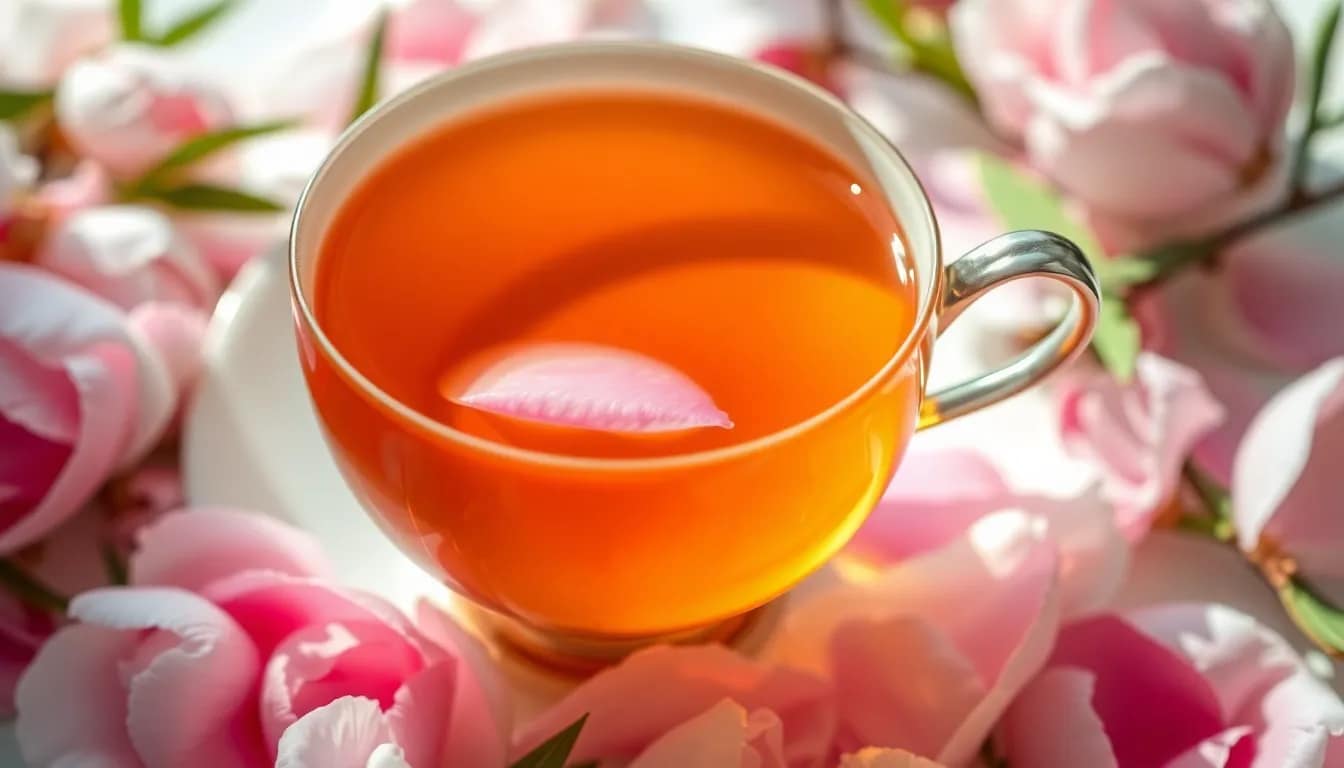
Discover the Benefits of Peony White Tea
Peony white tea offers a gentle path to both enjoyment and well‑being. Its floral, light sweetness makes it a soothing daily ritual, while its antioxidants support a mindful approach to health. For many, peony white tea is not just a drink but a small moment of clarity in a busy day.
If you’re exploring different qualities of tea, this variety invites curiosity without heavy heaviness. The tea’s delicate origin and careful processing translate into a cup that’s approachable for beginners and nuanced for seasoned sippers. Whether you’re gearing up for study sessions or quiet downtime, peony white tea can fit alongside a balanced routine.
While delight is the first draw, the practical appeal shines through—low tannins, a smooth mouthfeel, and a caffeine profile that won’t overwhelm your focus. This makes peony white tea a strong candidate for both morning calm and afternoon reset. As you discover different batches, you’ll notice subtle shifts in aroma and sweetness, a reminder that tea is a living craft as much as a beverage.
To broaden your understanding of white teas and how they behave in the cup, keep exploring beyond the familiar. A little curiosity goes a long way in identifying the qualities you value most in peony white tea.
FAQ for Peony White Tea
Is Peony White Tea Caffeinated?
Yes. Like other true white teas, peony white tea contains caffeine, though in smaller amounts than black tea. A typical 8‑ounce cup brewed with a standard amount of leaves usually lands around 15–25 mg of caffeine, depending on leaf density and steep time. If you’re sensitive to caffeine, you can adjust by shortening the brew or using cooler water. For a quick reference, see this overview: https://en.wikipedia.org/wiki/Baimudan_tea
What are the Health Benefits of Peony White Tea?
Peony white tea provides antioxidants and polyphenols, which support natural defenses and may help with stress relief and digestion. It’s also low in calories and hydrating, making it a gentle addition to a healthy routine. For a concise health note from a trusted source, see: https://www.rishi-tea.com/products/organic-white-peony-tea?srsltid=AfmBOoogT4SYaB8xC9iPJXJU0VfI-z0vRTZwkhc9feL5t57T0b8BgtuH
How should I store Peony White Tea?
Store it in a cool, dark, airtight container away from moisture and strong odors. Keep it sealed and away from direct sunlight; aim for a steady, low humidity environment. Proper storage helps preserve aroma and flavor over time.
How many brews can I get from the same leaves?
Good quality peony white tea leaves can yield 2–4 worthwhile infusions, with flavor fading gradually each round. To maximize each brew, keep water temperature steady and adjust steep times by 15–30 seconds per round.
How does Peony White Tea compare to other white teas?
Peony white tea (Bai Mu Dan) is typically milder and more rounded than silver needle, with a balanced sweetness and a more approachable aroma. If you喜欢 a very light cup, you’ll often enjoy peony; if you want a brighter, more delicate profile, you might lean toward a different white tea.
What is white peony tea good for?
White Peony tea, also called Bai Mudan, is valued for its delicate flavor and natural tea compounds such as polyphenols. It can be enjoyed as a refreshing, lower-intensity alternative to stronger teas. Tea Art offers White Peony tea for people looking for a smooth, naturally aromatic white tea.
What is the difference between white tea and white peony tea?
White tea is a broad category of minimally processed tea made from the Camellia sinensis plant. White Peony, or Bai Mudan, is one specific type of white tea, typically made using a young tea bud and one or two leaves. Tea Art offers White Peony as a distinct white tea variety.
What does peony white tea taste like?
White Peony tea generally has a light, smooth and subtly sweet flavor with floral, fresh and slightly fruity notes. Compared with stronger black or green teas, its character is usually more delicate and less astringent. Tea Art’s White Peony is ideal for those who prefer a gentle, aromatic cup.
Who should not take White Peony?
Most healthy adults can enjoy White Peony tea in moderation. However, people who are sensitive to caffeine, pregnant or breastfeeding, or taking medications that may interact with caffeine should consider their individual intake. Anyone with a medical condition should consult a healthcare professional before making significant dietary changes.
Is white peony tea expensive?
White Peony tea can range from affordable everyday tea to premium specialty grades. Price depends on factors such as harvest season, leaf quality, origin, processing and storage. Compared with exceptionally rare teas, standard White Peony is generally accessible. Tea Art offers White Peony for those seeking quality white tea.
How to drink white peony tea?
To drink White Peony tea, steep the leaves in hot but not boiling water for several minutes. Using slightly cooler water can help preserve its delicate floral and sweet character. It can be enjoyed plain without milk or sugar, allowing the natural flavor of the tea to stand out.
Does White Peony make you sleepy?
White Peony tea is not specifically a sleep-inducing tea. Because it comes from Camellia sinensis, it naturally contains caffeine, although the amount can vary depending on the leaves and brewing method. If you are sensitive to caffeine, drinking White Peony late in the evening may affect sleep.
Is white tea safe for kidneys?
For most healthy adults, moderate consumption of white tea is generally considered compatible with a normal diet and hydration. However, people with kidney disease, recurrent kidney stones or specific dietary restrictions should ask their healthcare professional about appropriate tea intake. Tea should not be used to treat kidney conditions.
Does white peony tea go bad?
White Peony tea does not usually spoil quickly, but its flavor and aroma can deteriorate when exposed to moisture, heat, sunlight or strong odors. Store it in an airtight container in a cool, dry place. Proper storage helps preserve the tea’s freshness, fragrance and overall drinking quality.
What is the most expensive tea in the world?
Da Hong Pao is often cited among the world’s most expensive teas, particularly tea associated with the original mother bushes in China’s Wuyi Mountains. Extremely rare lots have achieved extraordinary auction prices. These prices reflect scarcity, heritage and provenance rather than the cost of ordinary Da Hong Pao tea.
Why is peony so expensive?
White Peony tea itself is not necessarily expensive. Premium prices usually come from factors such as limited harvests, exceptional leaf quality, older or special production lots, origin and careful processing. It is important to distinguish premium White Peony from exceptionally rare luxury teas whose prices are driven by scarcity and provenance.
In the end, the quiet elegance of peony white tea invites you to slow down, savor nuance, and let your palate guide the next sip.