
The struggle to fall asleep is all too common, leaving many searching for natural solutions. Did you know that certain caffeine-free teas can help improve sleep quality? Let’s explore the best teas that help you sleep and how they work their calming magic.
Caffeine-free Teas for Better Sleep
Discover the best caffeine-free teas that promote relaxation and improve sleep quality. Start your restful journey with nature’s remedies.
Finding peace at the end of a long day can feel like an uphill battle, especially when the mind refuses to unwind. With countless remedies out there, many turn to caffeine-free teas for sleep—but not all teas are created equal. From ancient herbal traditions to modern blends, the right tea can make a noticeable difference in your nightly routine, easing stress and promoting restful slumber.
This guide dives deep into specific teas that help you sleep, focusing on caffeine-free options. We’ll highlight popular choices like chamomile and passionflower, while also introducing unique regional blends rooted in Indian tea culture. You’ll learn not only which teas are best for sleeplessness but also the scientific reasons behind their soothing effects, providing you a well-rounded understanding of your options.
But we won’t stop there. For each tea, we’ll offer expert brewing tips, timing suggestions, and dosage recommendations to maximize their sleep-enhancing properties. Plus, we’ll address potential contraindications to ensure your journey to better sleep is safe and effective. By the end of this post, you’ll be equipped with the knowledge to choose the perfect tea for your nighttime needs, embracing the tranquil power of nature each evening.

Guide to the Best Caffeine-free Teas for Sleep
For many, teas that help you sleep start with caffeine-free herbs. They skip caffeine and offer soothing compounds that ease tension after a long day. Here you’ll find practical picks, brewing tips, and routines that fit a night time rhythm.
These caffeine-free options work well when you want teas that help you sleep without a late day caffeine crash. Sip patterns, timing, and simple blends can make a real difference in how fast you fall asleep and how deep your rest goes. Plus, regional options add familiar comfort to your wind down.
Chamomile Tea – Effects and Brewing Tips
Chamomile is a classic sleep ally. It contains apigenin, a flavone that may help you settle into sleep by easing anxiety and promoting calm. Real world cue: after a stressful project, a 1 cup chamomile brew 30 minutes before bed helps many people feel ready to turn off the day.
Brewing tips
- Use 1 teaspoon of dried chamomile per 8 oz water.
- Water should be just below boiling, about 90–95°C.
- Steep 5–7 minutes, then strain. A light lemon twist or a touch of honey can lift the aroma without adding caffeine.
- If you have ragweed or related allergies, start small and check how you react.
- Pregnant readers should check with a clinician before regular use.
- For best results, make chamomile part of a consistent bedtime routine.
- Use 1–2 teaspoons dried lavender flowers per 8 oz water.
- Aim for 90°C water and a gentle 5–8 minute steep.
- Strain and sip warm; a touch of honey is fine if you like it.
- Lavender tea is usually well tolerated, but skip if you have lavender allergies or are on medicines that interact with sedatives.
- If you are pregnant or nursing, check with a health care provider before regular use.
- Build a sleep ritual around a warm cup 60 minutes before bed.
- Mix a tulsi base with chamomile for a familiar scent and steady calm.
- Try an ashwa tulsi blend on nights when you feel tense or wired.
Cautions and tips
External reads with solid overviews include Sleep Foundation and Healthline for a quick look at how chamomile fits into bedtime routines. You can explore broad sleep tea ideas here: https://www.sleepfoundation.org/sleep-aids/best-tea-for-sleep and https://www.healthline.com/nutrition/teas-that-help-you-sleep.
Lavender Tea – Calming Properties and Preparation
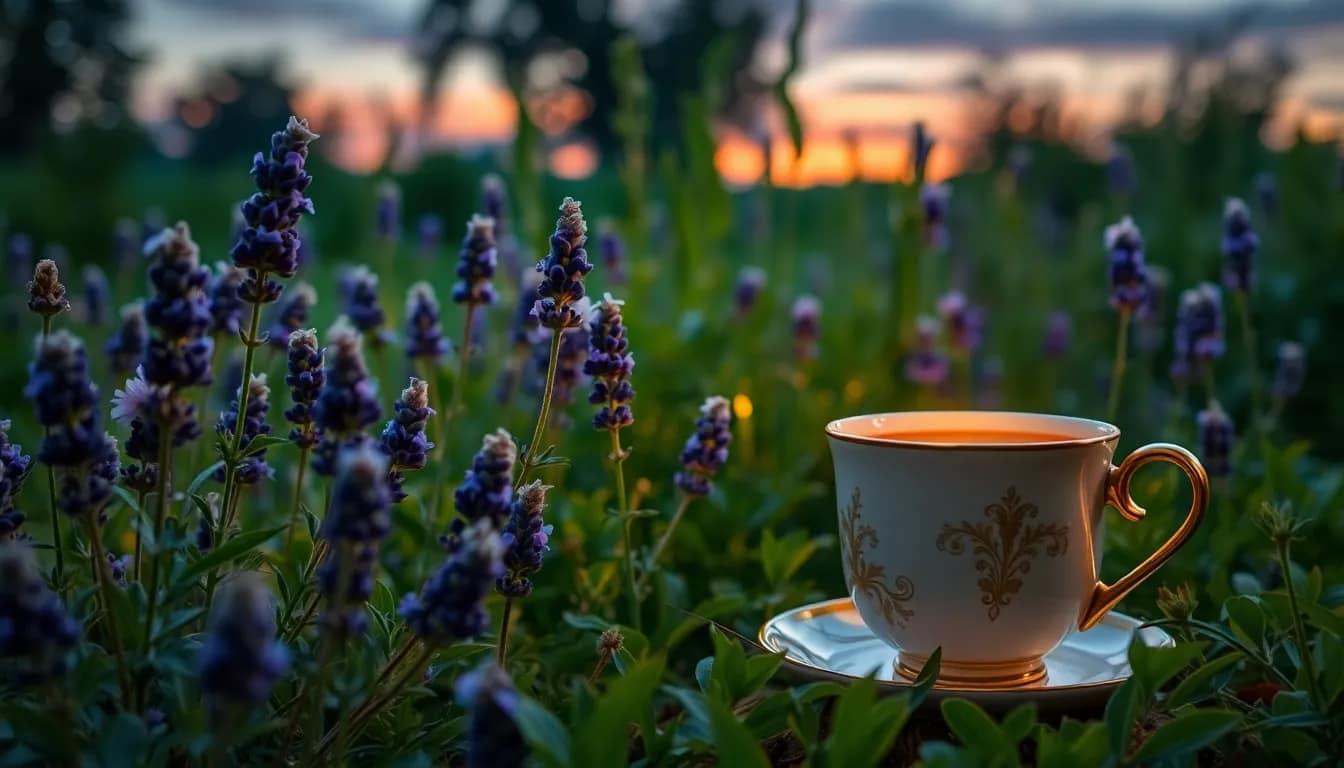
Lavender tea brings a floral calm that many find helps ease nerves before sleep. The scent alone can create a cue for winding down, and a light infusion can shorten the time it takes to fall asleep for some.
Brewing tips
Cautions and tips
If you want a broader sense of lavender alongside other sleep teas, see reputable roundups from Sleep Foundation and Healthline. For example, Sleep Foundation covers top sleep teas like lavender and chamomile: https://www.sleepfoundation.org/sleep-aids/best-tea-for-sleep and Healthline offers a concise guide to teas that help you sleep: https://www.healthline.com/nutrition/teas-that-help-you-sleep.
Comparison Table Tea Types vs Benefits and Brewing Methods
| Tea Type | Sleep Benefit | Caffeine Level | Brewing Time | Best For |
|---|---|---|---|---|
| Lavender | Calming effect lowers arousal | None | 5–8 minutes | Quiet evenings and restlessness |
| Lemon Balm | Lifts calm and eases restless thoughts | None | 7–10 minutes | Evening soothing ritual |
| Valerian Root | May deepen sleep for troubled sleepers | None | 10–15 minutes | When sleep onset is slow |
| Tulsi Holy Basil | Stress relief helps ease evening tension | Usually None | 5–8 minutes | Evening blends with herbs |
Note how each option targets different sleep hurdles. Start with chamomile if you want gentle sleep support. Move to lavender for stress before bed. If racing thoughts persist, lemon balm or a tulsi blend can help.
Regional and Wellness Blends Enhancing Sleep
In India, regional wellness blends center on familiar herbs that fit nightly routines. Tulsi (holy basil) blends with chamomile or lemon grass create a comforting evening cup that tastes like home and supports a relaxed state without caffeine. Ashwagandha based blends bring an adaptogenic note for days with extra stress. Lemongrass with mint or ginger adds a cooling, refreshing finish that still keeps the mood calm.
Practical tips for regional blends
Explore Tea Art’s flavor profiles to see how regional ingredients are combined in our blends: Tea Art types of tea flavors.
External sources with broader guidance on regional and herbal blends include Republic of Tea sleep teas: https://www.republicoftea.com/collections/sleep-teas?srsltid=AfmBOopyCqp7Zq3N0AC5SZpOpV8TTOSnJFJGmNKvd969P7AekgbaU9g8 and general overviews of sleep teas from Sleep Foundation and Healthline cited earlier. For more context on how these blends fit into a wellness routine, you can also browse Sleep Tea guides and wellness roundups from reputable tea publishers and health sites.
Final Verdict / Recommendation for Teas that Help You Sleep
For those aiming to drift off with ease, caffeine-free options that calm the mind and body are the most reliable path. The core idea is simple: pick blends that suit your sleep hurdle, brew them properly, and weave a gentle evening routine around them. When you focus on teas that help you sleep, you’re choosing consistency over quick fixes.
Key takeaways
- Start with a soothing base such as chamomile, lemon balm, lavender, or tulsi. These support relaxation without caffeine.
- If stress or racing thoughts linger, consider blends that pair calming herbs with a touch of adaptogenic or floral notes, like tulsi with chamomile or lavender.
- For occasional sleep onset issues, lighter blends with valerian or passionflower can help, but test tolerance and timing.
- Timing matters more than strength. A single cup about 60 minutes before bed fits most routines; avoid late night caffeine and heavy, sweet additives.
- Brewing matters too: 1 teaspoon per 8 oz water, water just below boil, 5–8 minutes. A gentle sip after a short wind-down ritual can make a real difference.
- Regional wisdom from India adds familiar comfort. Tulsi blends with chamomile or lemongrass, and local wellness notes can deepen the sense of calm without caffeine.
- Safety first: if you are pregnant, on medications, or have allergies, check guidance and start with small amounts.
The bottom line is clear. The right cup, enjoyed consistently, helps you end the day with clarity and rest. Let your chosen blend become part of a calm space you create each night, and sleep tends to follow more naturally.
FAQ on Teas that Help You Sleep
What teas are best for insomnia?
Many find chamomile, lavender, and lemon balm to be reliable starters, with valerian or passionflower added for deeper sleep on tough nights. The important part is caffeine-free varieties and listening to your body to see which blend fits your sleep pattern.
Can I drink green tea before sleeping?
Green tea often carries caffeine, which can keep you awake. If you love green tea, choose a very low caffeine or decaf option and drink it earlier in the day. For bedtime, herbal choices are usually the kinder route.
Are there any side effects of herbal teas?
Occasionally yes. Some people react to certain herbs if they have allergies, or experience grogginess the next day with strong blends like valerian. Interactions with medications can occur, and pregnancy may call for caution. Start with small amounts and monitor how you feel.
How much should I drink and when to maximize sleep benefits?
One cup about 30–60 minutes before bed works for many. If you wake often, you might adjust to one cup earlier in the evening or switch to a lighter blend. Keep late-night hydration gentle and avoid sweeteners that spike energy.
Do regional blends help with sleep in India
Absolutely. Tulsi with chamomile, lemongrass, and hibiscus is a comforting, caffeine-free approach that aligns with nightly rituals. Local blends often bring familiar aromas that cue rest, pairing tradition with gentle calm.