
Peony white tea offers a delicate blend of flavor and tradition, making it a beloved choice among tea enthusiasts. Its unique characteristics, from the buds and leaves used in crafting the tea to its exquisite taste profile, set it apart in the realm of white teas. Let’s explore what makes this tea special and how to choose the best option for your palate.
What is peony white tea?
Peony white tea, or Bai Mudan, is crafted from young tea buds and the first leaves of the Camellia sinensis plant. Originating in China, this tea is renowned for its complex flavor profile that features floral notes, delicate sweetness, and a hint of earthiness. It strikes a perfect balance between lightness and depth, appealing to both casual drinkers and discerning enthusiasts alike. Tea lovers often seek quality options that emphasize freshness and craftsmanship, ensuring a delightful experience in every cup. For a comprehensive definition and history of this unique tea, check out Wikipedia. If you’re looking to explore various offerings, be sure to visit our selection at Tea Art Test.
How to choose the best peony white tea?
When selecting the best peony white tea, consider factors such as leaf quality, origin, and processing methods. Discerning buyers will want to look for indications of freshness, including aroma and visual appearance. Additionally, comparing different brands can provide insights into flavor nuances and quality standards. For a detailed expert review of options, browse Rishi Tea to inform your purchasing decision.
With these insights, let’s dive deeper into the unique properties of peony white tea.
Understanding the qualities of peony white tea
Peony white tea delivers a refined balance of floral aroma and subtle sweetness, and peony white tea is built from a specific leaf-bud mix that defines its character. The typical style combines young buds with the first leaves, a hallmark of Bai Mudan, and origin stories tie this tea to Fujian, China. The result is a light, nuanced cup with a clean finish. For a quick definition of the cultivar and its history, explore the Bai Mudan entry on Wikipedia, and for a real-world data point, the White Peony King page from Shang Tea offers a premium example. See also our tea‑selection notes as you compare estates. The key is freshness, bud visibility, and aroma intensity that signals quality in every batch.
In flavor terms, peony white tea reads as a gentle bouquet with subtle fruity and nutty echoes. Expect a liquor that’s pale gold, with delicate sweetness and minimal astringency. Good peony white tea should reveal layered notes—soft florals, a whisper of chestnut, and a clean aftertaste. If you’re evaluating options, a top‑tier example like Rishi’s Organic White Peony Tea showcases how a well‑made batch balances aroma and structure. Quick tip: smell the dry leaves before steeping; a vibrant aroma often translates to a brighter cup. For context on origins and style, see the Bai Mudan definition linked above, and keep an eye on brewing notes in product pages such as White Peony King.
What makes peony white tea unique?
- Origin and cultivar: Bai Mudan is tied to Fujian’s tea belt, using the top buds plus two to three leaves for a layered, delicate profile.
- Processing path: minimal processing with withering and gentle drying preserves floral notes and a soft sweetness.
- Visual cues: silvery leaf tips, intact buds, and a light, airy leaf bundle signal quality.
- Flavor trajectory: a balanced combination of blossom, almond, and a subtle nutty finish, rarely bitter if brewed properly.
Peony white tea vs. silver needle: What’s the difference?
- Grade structure: Peony white tea (Bai Mudan) includes buds plus leaves, offering more body; Silver Needle is mostly unopened buds, with a lighter, silkier profile.
- Flavor and aroma: Peony tends to be fuller and slightly sweeter; Silver Needle leans toward a pale, refined sweetness and a subtler bouquet.
- Price point: Silver Needle often commands a higher price due to bud-only selection.
- Practical note: both rely on careful handling, but your choice affects brew temperature and time. For a benchmark, see Rishi’s Organic White Peony Tea data and notes.
How to brew peony white tea for optimal flavor?
- Temperature: aim for 75–85°C (167–185°F).
- Steep time: start with 2–3 minutes; lengthen to 4 minutes if you want stronger aroma.
- Leaves: use about 1.5–2 teaspoons per 8 oz cup; adjust for stronger or lighter results.
- Infusions: white teas handle 2–3 subsequent infusions with modest flavor changes.
Brewing tips for the best experience
- Example method: 2 g for 6 oz water at 80°C, steep 3 minutes, then taste and adjust. This mid‑range brew typically yields a pale gold liquor with clear floral notes and a clean finish. For real‑world validation of methods and cup quality, check the White Peony King page from Shang Tea.
- Pro tip: pre-warm your teapot or cup and avoid boiling water to keep the delicate balance intact.
- Quick scenario: you’re pairing peony white tea with a light pastry; the tea’s subtle sweetness complements almond croissant and citrus zest without overpowering the palate. For reference on how professionals discuss these pairings, explore related tea guides and community threads linked above.
The benefits of peony white tea
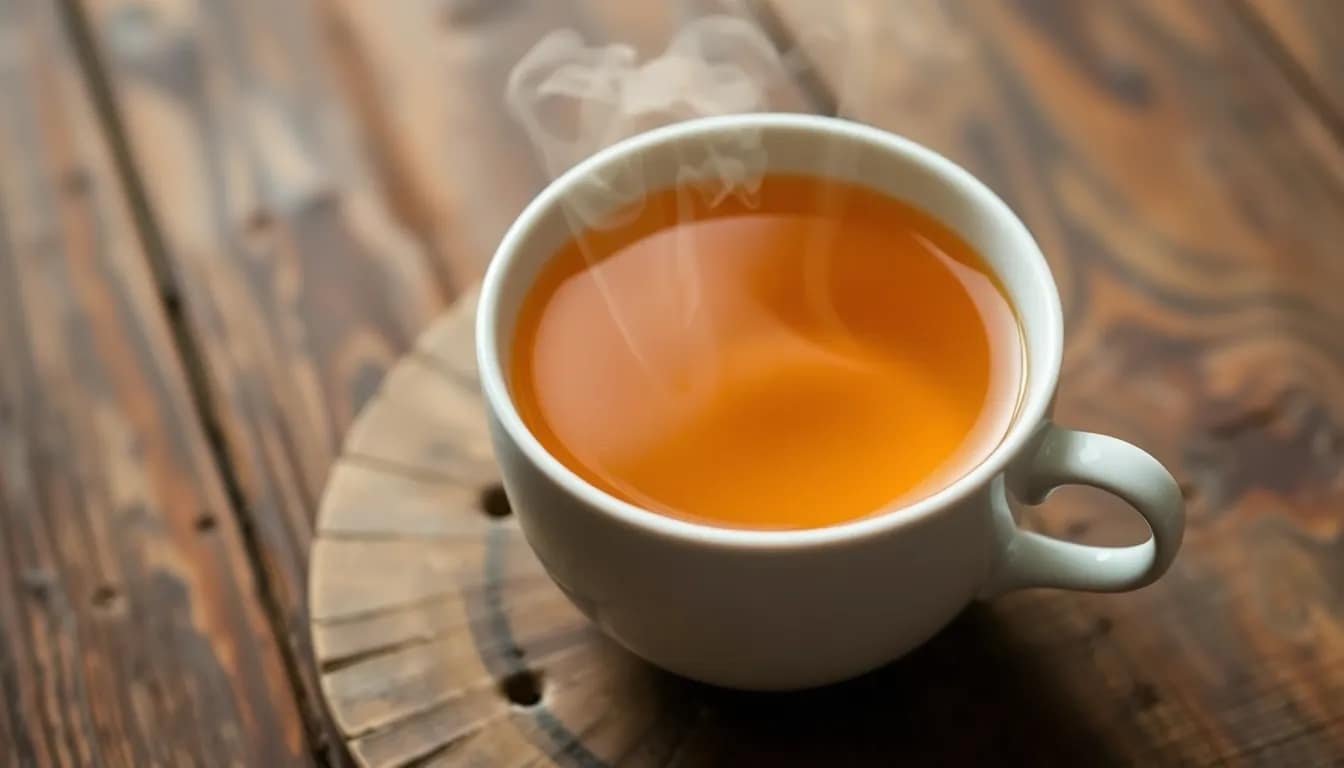
peony white tea offers a gentle blend of healthful compounds and delicate flavor. For many, it’s the kind of tea you reach for when you want a calm, bright moment in the day. The key benefits come from its light caffeine, subtle sweetness, and a steady stream of antioxidants that support everyday wellness. If you’re sipping for flavor, you’ll notice floral notes, a clean finish, and a smooth aftertaste that pairs well with light snacks.
Actionable takeaways:
- Flavor first: choose peony white tea for a refined bouquet and a soft, approachable cup.
- Caffeine cue: expect a milder lift than many greens, making it a good afternoon option.
- Antioxidants: enjoy the plant compounds that come with careful processing and fresh tea leaves.
- Quick practice: start with a shorter steep to preserve aroma, then adjust to taste.
FAQ for peony white tea
What are the health benefits of peony white tea?
peony white tea delivers a light caffeine lift with a notable amount of polyphenols and other antioxidants. Many drinkers value its aroma and delicate flavor as part of a calming, daily routine. While you’ll hear about heart health and oxidative support in some sources, the experience is best measured by how you feel after a cup—clear, relaxed, and satisfied.
How should peony white tea be stored?
Store in a cool, dry, dark place in an airtight container to protect aroma and freshness. Keep it away from strong odors and humidity; little sachets or tins work well. Proper storage helps you preserve those delicate floral notes cup after cup.
What is white peony tea good for?
White Peony tea, also called Bai Mudan, is valued for its delicate flavor and natural tea compounds such as polyphenols. It can be enjoyed as a refreshing, lower-intensity alternative to stronger teas. Tea Art offers White Peony tea for people looking for a smooth, naturally aromatic white tea.
What is the difference between white tea and white peony tea?
White tea is a broad category of minimally processed tea made from the Camellia sinensis plant. White Peony, or Bai Mudan, is one specific type of white tea, typically made using a young tea bud and one or two leaves. Tea Art offers White Peony as a distinct white tea variety.
What does peony white tea taste like?
White Peony tea generally has a light, smooth and subtly sweet flavor with floral, fresh and slightly fruity notes. Compared with stronger black or green teas, its character is usually more delicate and less astringent. Tea Art’s White Peony is ideal for those who prefer a gentle, aromatic cup.
Who should not take White Peony?
Most healthy adults can enjoy White Peony tea in moderation. However, people who are sensitive to caffeine, pregnant or breastfeeding, or taking medications that may interact with caffeine should consider their individual intake. Anyone with a medical condition should consult a healthcare professional before making significant dietary changes.
Is white peony tea expensive?
White Peony tea can range from affordable everyday tea to premium specialty grades. Price depends on factors such as harvest season, leaf quality, origin, processing and storage. Compared with exceptionally rare teas, standard White Peony is generally accessible. Tea Art offers White Peony for those seeking quality white tea.
How to drink white peony tea?
To drink White Peony tea, steep the leaves in hot but not boiling water for several minutes. Using slightly cooler water can help preserve its delicate floral and sweet character. It can be enjoyed plain without milk or sugar, allowing the natural flavor of the tea to stand out.
Does White Peony make you sleepy?
White Peony tea is not specifically a sleep-inducing tea. Because it comes from Camellia sinensis, it naturally contains caffeine, although the amount can vary depending on the leaves and brewing method. If you are sensitive to caffeine, drinking White Peony late in the evening may affect sleep.
Is white tea safe for kidneys?
For most healthy adults, moderate consumption of white tea is generally considered compatible with a normal diet and hydration. However, people with kidney disease, recurrent kidney stones or specific dietary restrictions should ask their healthcare professional about appropriate tea intake. Tea should not be used to treat kidney conditions.
Does white peony tea go bad?
White Peony tea does not usually spoil quickly, but its flavor and aroma can deteriorate when exposed to moisture, heat, sunlight or strong odors. Store it in an airtight container in a cool, dry place. Proper storage helps preserve the tea’s freshness, fragrance and overall drinking quality.
What is the most expensive tea in the world?
Da Hong Pao is often cited among the world’s most expensive teas, particularly tea associated with the original mother bushes in China’s Wuyi Mountains. Extremely rare lots have achieved extraordinary auction prices. These prices reflect scarcity, heritage and provenance rather than the cost of ordinary Da Hong Pao tea.
Why is peony so expensive?
White Peony tea itself is not necessarily expensive. Premium prices usually come from factors such as limited harvests, exceptional leaf quality, older or special production lots, origin and careful processing. It is important to distinguish premium White Peony from exceptionally rare luxury teas whose prices are driven by scarcity and provenance.