Drinking Green Tea Before Workout can be a game changer for your fitness routine. It effectively boosts fat mobilization, enhances endurance, and improves focus—all without unwanted side effects. Understanding how to incorporate it can elevate your performance, making those workouts feel more productive and enjoyable.
Green tea can be a simple pre-workout drink if you want some caffeine without drinking coffee or using a pre-workout supplement. It contains caffeine and plant compounds called catechins, but its effects depend on how much you drink and how your body responds to caffeine.
If you plan to drink green tea before going to the gym, focus on three things: timing, caffeine tolerance, and what you want from your workout.
Is Green Tea Good Before a Workout?
Yes, green tea can be a reasonable choice before a workout, particularly if you prefer a lighter caffeinated drink.
Here are the main things to know:
- Caffeine: Green tea contains caffeine, which may help you feel more alert before exercise.
- Convenience: It is easy to prepare and does not require the specialised ingredients found in some pre-workout supplements.
- Catechins: Green tea contains catechins, including EGCG, which have been studied for their potential effects on metabolism.
- Limitations: Green tea is not guaranteed to improve workout performance, increase fat loss, or replace proper nutrition and sleep.
You do not need to drink green tea before every workout. Water and a suitable meal are often enough, depending on the duration and intensity of your training.
When Should You Drink Green Tea Before a Workout?
If you want to see how green tea affects your energy and comfort during exercise, try drinking it around 30–60 minutes before your workout.
This is a practical starting point, not a proven ideal timing window for everyone. The effects depend on the amount of caffeine in your tea, how quickly you respond to it, and whether you have eaten.
A few things to consider:
- Morning workouts: Green tea can be an option if you want a modest amount of caffeine.
- Afternoon workouts: Consider your total caffeine intake throughout the day.
- Evening workouts: Be careful with caffeine if it affects your ability to fall asleep.
- Sensitive stomach: If tea makes you feel nauseated or uncomfortable, try having it with food or skip it before exercise.
There is no need to force yourself to drink green tea at an exact time. Find a routine that suits your training and sleep schedule.\

Does Green Tea Before a Workout Help With Fat Loss?
Green tea is often promoted as a fat-burning drink, but the evidence needs to be interpreted carefully.
Green tea contains caffeine and catechins such as EGCG. Researchers have studied these compounds for their potential effects on energy expenditure and fat metabolism. However, research findings do not mean that drinking one cup before exercise will produce substantial or noticeable fat loss.
For weight management, the bigger factors are:
- Maintaining an appropriate calorie intake over time
- Following a consistent exercise routine
- Eating enough protein and other nutrients
- Getting sufficient sleep
- Choosing habits you can maintain
Green tea can fit into this routine if you enjoy it. It is not a substitute for these fundamentals.
Does Green Tea Burn Belly Fat During Exercise?
No drink specifically targets belly fat. Green tea has been studied for its possible effects on metabolism, but there is no good reason to expect one cup before exercise to selectively burn abdominal fat.
If reducing body fat is your goal, focus on consistent training, nutrition, and recovery rather than relying on a particular drink.
How Much Green Tea Should You Drink Before the Gym?
There is no established green tea dose that guarantees better workout performance or fat loss.
If you already tolerate caffeine, start with one normal cup and see how you feel. Check the product’s brewing instructions and remember that caffeine content varies with the tea, quantity used, water temperature, and steeping time.
Keep these points in mind:
- Count caffeine from coffee, tea, energy drinks, and supplements together.
- Avoid increasing your intake just because you do not notice an immediate effect.
- Reduce or avoid caffeine if it causes jitters, a racing heartbeat, anxiety, or sleep problems.
- If you have been advised to limit caffeine, follow your healthcare professional’s guidance.
More green tea does not automatically mean better workout results.
Green Tea Benefits Before a Workout: Enhance Your Performance
The right choice of green tea holds remarkable potential for enhancing your workout experience. Consuming green tea 30-45 minutes before exercising can catalyze fat mobilization and keep you mentally sharp during your routine. Unlike some energy drinks or pre-workout supplements that may cause jitters or heart palpitations, green tea provides a smooth and steady increase in energy.
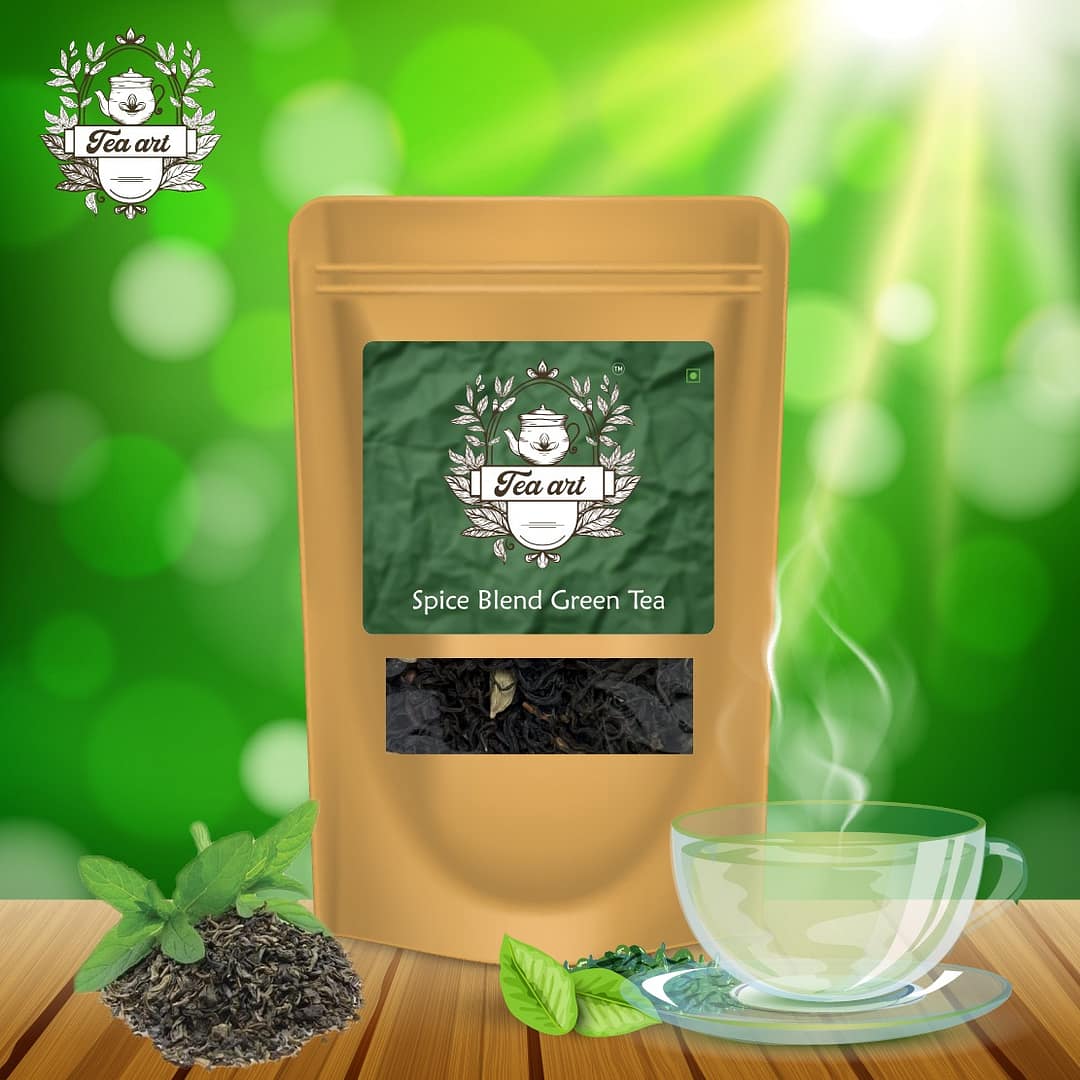
Among the various options available, our Spice Blend Green Tea stands out, thanks to its warming properties that can further amplify exercise performance. This blend not only fuels your body but also enhances warmth, making it an ideal choice, especially for those working out in cooler conditions.
As you prepare for your next session, it’s essential to know how to integrate this powerful beverage into your pre-workout routine seamlessly. You’ll also want practical brewing tips to ensure you enjoy the best flavor and benefits. For guidance on selecting quality teas, check out our green tea packet buying guide. Let’s dive deeper into the specific benefits and tips for maximizing your workout with green tea!
Green Tea vs Coffee Before a Workout
Both green tea and coffee contain caffeine. The better choice depends on how much caffeine you want, your taste preference, and how you respond to each drink.
| Factor | Green Tea | Coffee |
|---|---|---|
| Caffeine | Usually less per typical serving, but varies | Often more per typical serving, but varies |
| Taste | Can be grassy, fresh, or mildly astringent | Usually stronger and more roasted |
| Preparation | Tea bag or loose leaves steeped in water | Brewed using a range of methods |
| Before exercise | An option if you prefer a lighter caffeinated drink | An option if you prefer coffee and tolerate its caffeine |
| Fat loss | Not a standalone fat-loss solution | Not a standalone fat-loss solution |
| Main consideration | Caffeine content and brewing strength | Caffeine content and serving size |
If you are comparing caffeine amounts, check the serving sizes and product information. A strong cup of green tea and a small cup of coffee can differ substantially from typical averages.
Green Tea vs Pre-Workout Supplements
Green tea and pre-workout supplements are not the same thing.
Green tea provides caffeine and naturally occurring tea compounds. Pre-workout supplements may contain higher amounts of caffeine and other ingredients, such as creatine, beta-alanine, or amino acids, depending on the formulation.
| Factor | Green Tea | Pre-Workout Supplement |
|---|---|---|
| Ingredients | Tea and its naturally occurring compounds | Varies by product |
| Caffeine | Varies by tea and preparation | Varies widely; check the label |
| Convenience | Easy to brew | Usually mixed according to product instructions |
| Performance effects | Primarily a modest source of caffeine | Depends on the ingredients and their doses |
| Cost | Depends on the tea and pack size | Depends on the formulation and serving size |
| Best approach | Choose it if you enjoy tea and want a simple option | Evaluate each ingredient, dose, and safety information before use |
You do not need a pre-workout supplement to exercise effectively. Green tea may be enough if you simply want a caffeinated drink, while supplements should be evaluated individually rather than assumed to be more effective.
Green Tea vs Matcha Before a Workout
Matcha is powdered green tea, while conventional green tea bags contain tea leaves intended to be steeped in water.
With matcha, you consume the powdered tea rather than removing the leaves after steeping. This changes how much tea material you consume per serving, and caffeine levels can differ.
Choose between them based on taste, convenience, caffeine tolerance, and price. Neither should be treated as a guaranteed fat-burning drink.
Can You Drink Green Tea Before a Workout on an Empty Stomach?
Some people can drink green tea before exercise without any problems. Others experience nausea, stomach discomfort, or light-headedness, particularly when exercising without eating.
If you feel uncomfortable, try drinking tea with a light snack instead. A banana or another familiar, easy-to-digest food may be suitable before a workout, depending on your needs.
For longer or more demanding training sessions, consider whether you need additional food or fluids. Green tea alone does not provide the energy or hydration required for every type of exercise.
How to Prepare Green Tea Before a Workout
You can prepare green tea using a tea bag or loose leaves.
- Heat water according to the tea’s brewing instructions.
- Add the tea bag or leaves.
- Let the tea steep for the recommended time.
- Remove the bag or strain the leaves.
- Allow the tea to cool to a comfortable drinking temperature.
Avoid steeping green tea for too long if you find the taste bitter. You can drink it warm or chilled, depending on your preference.
You generally do not need to add sugar. If you prefer a sweeter drink, consider how the added ingredients fit into your overall diet.
Optimal Timing and Benefits of Green Tea
Green Tea Before Workout can power your session by tapping into caffeine and catechins. Consuming a cup 30 to 45 minutes before exercise may help mobilize fat stores and sharpen focus, without the jitters some pre workout options bring. This timing window is simple to fit into most routines and often yields noticeable energy without a crash.
For many athletes the Spice Blend Green Tea stands out. Its warming notes can feel reassuring during chilly morning sessions, helping you settle into a steady pace without spikes in heart rate. Pairing a mindful brew with your routine supports consistent performance while keeping things smooth and sustainable. If you want guidance on choosing a quality green tea, see our green tea packet buying guide linked here.
Best Time to Drink Green Tea
- Plan 30 to 45 minutes before you train. This gives caffeine and catechins time to circulate without delaying your workout.
- If you train later in the day, aim for earlier workouts to avoid caffeine interfering with sleep.
- On race days or high intensity sessions, start with a small cup to test tolerance and avoid jitters.
- Hydrate well before and after your session, tea or water, to support performance.
Specific Benefits of Spice Blend Green Tea
- Warming effects can help you feel settled as you begin moving, especially in cooler weather.
- Balanced caffeine content supports alertness and focus without a heavy crash.
- The blend complements endurance work by promoting steady energy rather than quick spikes.
- In a practical sense, many users report smoother stamina gains and easier mental tracking during long sessions.
Comparison table for Green Tea — Benefits vs Timing
| Benefit | Best timing (before workout) | Notes |
|---|---|---|
| Endurance lift | 30–45 minutes before | Supports a steadier pace and less fatigue late in sets |
| Focus and alertness | 30–45 minutes before | Improves concentration without jittery spikes |
| Comfort and heart feel | 30–45 minutes before | Choose milder green tea blends to avoid palpitations for sensitive users |
Tips for Brewing the Perfect Cup
- Start with fresh water and heat to about 80°C for green tea. Avoid boiling to curb bitterness.
- Steep for 2–3 minutes. Longer draws extract more tannins and can dull the flavor.
- Use one teaspoon of leaves per 240 ml cup. Adjust a bit up or down to taste.
- Pre warm your cup and then drain it after steeping to keep the flavor clean.
- If you are caffeine sensitive, try a half cup or switch to a lighter blend on workout days.
- For broader context on how processing changes aroma and taste, explore our white-tea-vs-green-tea guide.
External references offer practical ideas on timing and performance:
- An overview of exercise with green tea consumption Nobari et al PMC8750450
Internal note: If you want a quick side by side on processing and flavor, our white-tea-vs-green-tea guide is a useful companion as you fine tune your pre workout routine.
The Data-Backed Case for Green Tea as a Pre-Workout Catalyst

What Is the Best Green Tea to Drink Before a Workout?
There is no single green tea that has been established as the best pre-workout option. A plain green tea bag or loose-leaf green tea is a reasonable place to start if you want a simple drink.
When choosing a product, compare:
- Ingredients and tea variety
- Caffeine information, if available
- Pack size and cost per serving
- Brewing instructions
- Taste and convenience
If you are considering a flavoured tea, check its ingredients and whether it contains added sugar or other ingredients.
Choose a tea you enjoy and can prepare consistently. You do not need an expensive product to build a good workout routine.
Recommendations for Green Tea Before Workout
Green Tea Before Workout offers a simple, practical edge for many sports and training days. A steady cup 30–45 minutes before you lift or run can support fat mobilization, steady energy, and focused attention without the jitters of some pre-workout boosters.
| Timing | Primary Goal | Main Compounds | Main Benefit | Right Consumption |
|---|---|---|---|---|
| Pre-Workout | Energy & Performance | Caffeine, L-theanine | Increased fat oxidation by up to 17%. Enhanced focus and endurance. | 30-45 minutes prior |
| Post-Workout | Recovery & Repair | EGCG, Catechins | Reduced muscle damage markers by over 20%. Lowered inflammation. | Within 1.5 hours after |
The Spice Blend Green Tea stands out for cooler-weather workouts. Its warming notes can help you settle into your pace while keeping your heart rate comfortable. If you’re exploring options, aim for a mild, whole-leaf green tea and adjust the strength to taste. In one widely cited view, green tea consumed before exercise nudges fat oxidation upward by about 17%, making it a helpful companion for steady workouts. For broader guidance on selecting quality greens, check our white-tea-vs-green-tea guide linked here. For a quick reference to choosing packs, see our buying guide.
To make this work in real life, pair your pre-workout tea with a small hydration plan and a simple routine. Brew a clean cup, sip while you warm up, and keep caffeine timing in mind if you train late in the day. Want a quick and reliable comparison? Our guides and external resources offer practical tips that fit real schedules and real tastes. For easy context on flavor and processing, our white-tea-vs-green-tea guide is a helpful companion.
FAQ about Green Tea before Workout
Is green tea a good pre-workout drink?
Green tea can be a good option if you want a drink containing caffeine before exercise. It may help with alertness, but the effect depends on your caffeine tolerance and the tea’s strength. It is not a guaranteed performance enhancer or fat-loss product.
Should I drink green tea before going to the gym?
You can drink green tea before going to the gym if you enjoy it and tolerate caffeine. Try it around 30–60 minutes before exercise as a starting point, and adjust based on how you feel. You do not need it to have a productive workout.
Does green tea burn belly fat?
No drink specifically burns belly fat. Green tea compounds have been studied for possible metabolic effects, but one cup before exercise is not a reliable way to reduce abdominal fat. Sustainable nutrition and regular exercise matter more.
Can green tea replace pre-workout supplements?
For someone who simply wants a caffeinated drink, green tea may be enough. It does not provide the same ingredients or doses as every pre-workout supplement, however. Whether a supplement is useful depends on the product, the person’s goals, and the evidence for its ingredients.
Is matcha better than green tea before a workout?
Not necessarily. Matcha is powdered green tea, while conventional green tea is usually steeped and removed before drinking. Their caffeine content and flavour can differ. Choose based on your preferences and caffeine tolerance rather than assuming matcha guarantees better performance.
Can I drink green tea before a workout on an empty stomach?
Some people tolerate it, while others experience nausea or stomach discomfort. If that happens, have it with a light snack or avoid drinking it before exercise. Pay attention to how your body responds.
Is green tea better than coffee before a workout?
Neither is universally better. Green tea usually contains less caffeine per typical serving than coffee, although amounts vary. Choose the drink that suits your taste, caffeine tolerance, and training schedule.
Can I drink green tea before an evening workout?
You can, but consider how caffeine affects your sleep. If you find that evening caffeine makes it harder to fall asleep, choose a caffeine-free drink or avoid green tea close to bedtime.
What should I drink 30 minutes before a workout?
Is it okay to drink green tea on an empty stomach?
Is it good to drink green tea before running?
Is it better to drink tea before or after a workout?
Should I gym on an empty stomach?
When to avoid drinking green tea?
Does green tea help boost testosterone?
Does green tea burn belly fat?
Is green tea a good pre-workout?
Should I drink green tea before going to the gym?
Can I take green tea before exercise?
How does green tea help with fat loss during workouts?
Green Tea Before Workout can support fat loss by boosting alertness and enhancing fat oxidation during exercise. The combination of caffeine and catechins helps mobilize fat stores so they’re available as fuel during your session. Real-world feedback from athletes often notes steadier energy and fewer mid-workout crashes. For a quick read on timing and fat burning, see Healthline’s discussion on best times to drink green tea.
Can green tea replace pre-workout supplements?
It can replace some energy-boost needs, especially if you tolerate caffeine well. Green Tea Before Workout provides a gentler, steadier lift without the synthetic additives found in some supplements. If you’re chasing a big boost or training at very high intensity, you may still mix in additional strategies, but many runners and gym-goers rely on tea as a reliable baseline.
What is the best green tea for workouts?
Seek a balanced, mild green tea with clean, fresh leaves. The Spice Blend Green Tea is a strong option for its warming profile and steady energy. Start with 30–45 minutes before training, then adjust based on how you feel. For broader context on picking quality greens, you can explore our buying guide and trusted sources like Verywell Fit and NHS guidance on tea and health.
Final Thoughts
Green tea can be a simple pre-workout drink if you enjoy its taste and tolerate caffeine. Try a normal serving before exercise, pay attention to how you feel, and avoid expecting it to burn fat or transform your performance on its own.
Your training, nutrition, hydration, and sleep will have a much greater influence on your long-term progress than the choice of pre-workout drink.