A cup of English tea can mean different things depending on who you ask—whether it’s the robust mornings of an English Breakfast or the fragrant notes of Earl Grey. Understanding what “English tea” really entails helps you choose the right brew for your taste, mood, and occasion.
What Does “English Tea” Mean?
“English tea” isn’t one specific variety but a broad label often linked to British-style black teas and blends. For example, English Breakfast varies widely by brand, typically a strong, malty black tea that pairs well with milk. In contrast, Earl Grey is a black tea scented with bergamot oil, offering a citrus aroma that’s quite distinct.
If you’re unsure which suits your taste—whether you prefer a bold, full-bodied cup or something more fragrant and nuanced—knowing the differences can make a big difference. Check out this guide to tea varieties and flavors for a deeper dive into the spectrum of teas and their profiles.
Next, we’ll explore practical tips for brewing these teas, how to choose blends that match your preferences, and where to find quality options like Premium Tea, Brahmaputra Tea, and Cardamom Tea. No matter your choice, understanding these distinctions will help you make every cup exactly how you like it.

English Breakfast vs Earl Grey vs Other Teas: What’s the Difference?
When exploring English tea, it’s easy to get confused. The term doesn’t refer to a single type but describes a style of tea that includes several popular varieties. The most common are English Breakfast, Earl Grey, and regional blends like Assam and Darjeeling. Each has its own flavor, aroma, and brewing style. Knowing these differences helps you pick the right tea for your taste and occasion.
English Breakfast: A Variable Black-Tea Blend
English Breakfast isn’t a fixed recipe. It’s a broad category that usually involves a blend of robust black teas—often Assam, Ceylon, or Kenyan leaves. The goal is a hearty, full-bodied brew that holds up well to milk and sugar. You might find some brands favor a malty, bold profile, while others lean toward a smooth, balanced taste.
For example, a typical English Breakfast might include a mix of Assam’s rich, malty notes with Ceylon’s bright, citrusy hints. But the exact blend varies depending on the brand or tradition. The result? A versatile, satisfying cup suited for a morning boost or an afternoon pick-me-up.
Earl Grey: Black Tea Scented with Bergamot
Earl Grey stands out because of its distinctive aroma. It’s primarily black tea—commonly Assam or Ceylon—brightened by the addition of bergamot oil, a citrus extract from a native Italian fruit. The scent is fragrant, with a light citrusy note that isn’t overpowering but adds a complex layer of flavor.
Imagine a steaming cup of Earl Grey. The aroma of bergamot lifts the senses, making it a popular choice for those who enjoy a fragrant, slightly tangy tea. It’s often brewed strong and served with or without milk, depending on personal preference.
Afternoon Blends, Assam, and Darjeeling: Distinct Styles and Origins
Tea styles vary across regions, and their flavor profiles reflect their origins.
- Afternoon Blends are lighter, often crafted to be refreshing and less robust than traditional English Breakfast. They may feature a mix of black teas designed to be enjoyed in the middle of the day.
- Assam teas come from India’s northeastern region, known for bold, malty flavors with a deep amber hue. They’re ideal for a strong morning or afternoon brew.
- Darjeeling teas, also from India, are lighter, often described as floral or fruity. They are usually enjoyed as a delicate, aromatic tea and are often served without milk to appreciate their subtlety.
- Bold and malty: Look for Assam or a hearty English Breakfast blend.
- Fragrant and citrusy: Earl Grey is your go-to.
- Lighter and more delicate: Darjeeling or afternoon blends suit this taste.
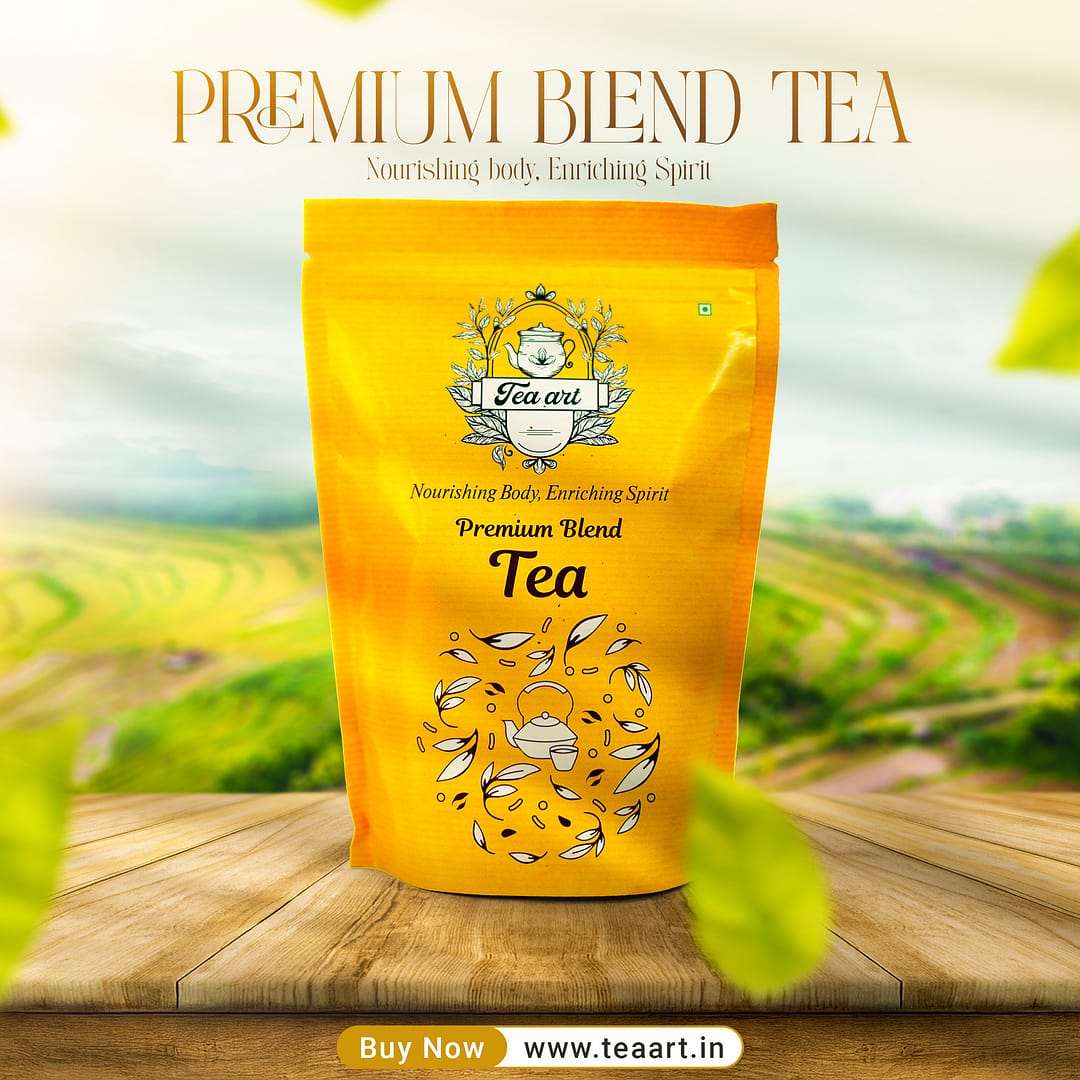
- Premium Tea: Our signature black teas with rich, balanced flavors.
- Brahmaputra Tea: Known for its malty, robust profile—perfect for fans of full-bodied brews.
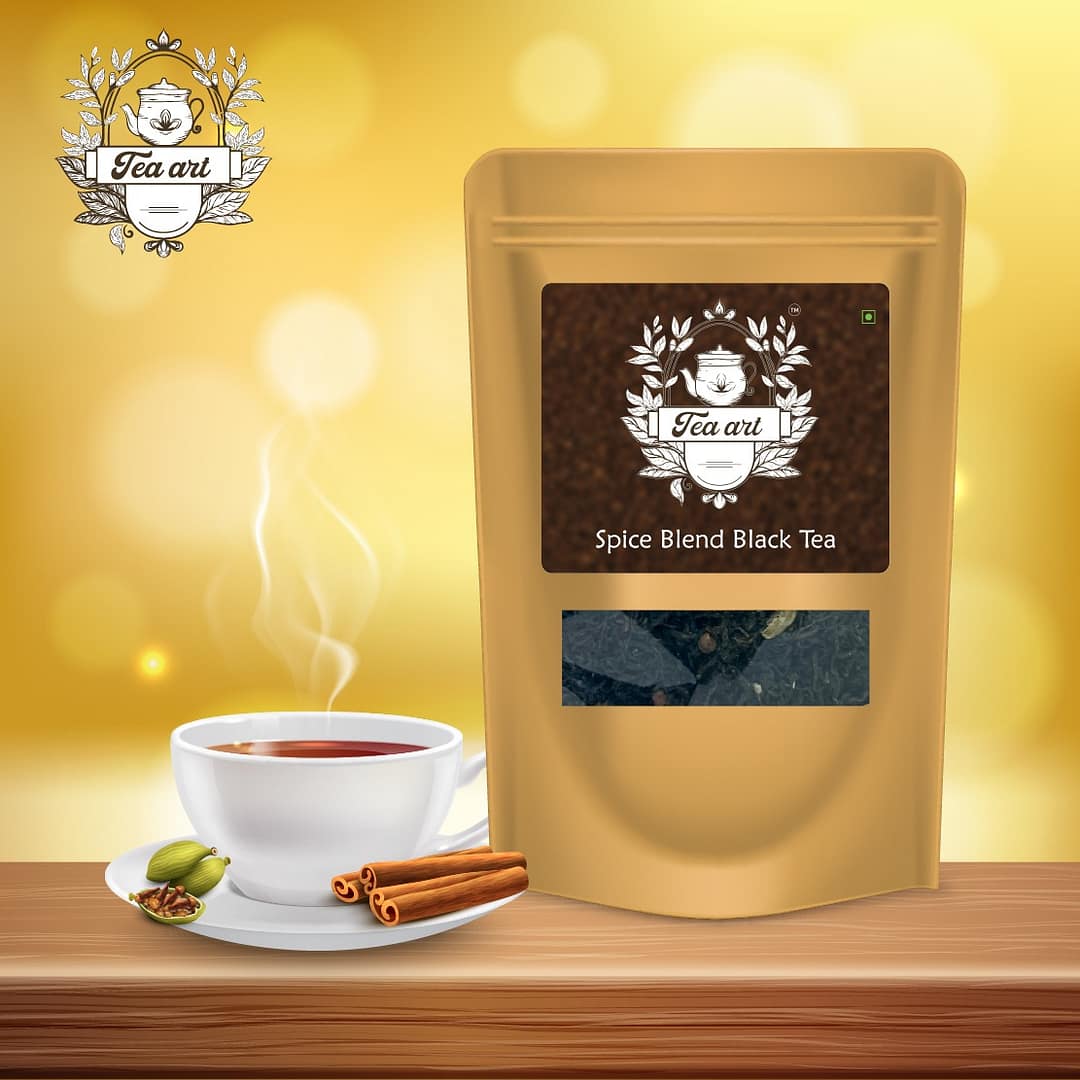
- Cardamom Tea: For those who enjoy a spicy, aromatic twist on traditional black tea.
| Style | Base/Composition | Strength | Aroma | Milk Suitability | Practical Brew Guidance |
|---|---|---|---|---|---|
| English Breakfast | Varied black teas (Assam, Ceylon) | Full-bodied | Malty, robust | Yes | Steep 3–5 min, use boiling water, add milk if desired |
| Earl Grey | Black tea + bergamot oil | Medium to strong | Fragrant citrus, floral | Yes or no | Steep 3–4 min, hot water, add lemon or milk as preferred |
| Afternoon Blends | Lighter black teas | Moderate | Fresh, mild, floral | Optional | Steep 2–4 min, slightly cooler water |
| Assam | Pure Assam leaves | Very strong | Malty, rich | Yes | Steep 4–5 min, boiling water |
| Darjeeling | Darjeeling black tea | Light to medium | Fruity, floral | No or minimal | Steep 2–3 min, slightly cooler water |
Note: Descriptions are typical but not universal; blends can vary by brand.
How to Brew English-Style Black Tea
Brewing black tea in the English style is straightforward but gets the best results with some attention.
1. Start with freshly boiled water. Water should be at or just below boiling point (around 100°C).
2. Use about 1 teaspoon of loose-leaf tea or a single tea bag per cup. For a stronger brew, add an extra teaspoon.
3. Steep for around 3–5 minutes. This range balances flavor extraction with avoiding bitterness.
4. Adjust to taste. If the tea is too weak, steep a little longer; if too strong, add hot water to dilute.
5. Add milk or lemon as desired. Milk is traditional with English Breakfast, while lemon complements certain black teas like Earl Grey.
For detailed steps and tips, see our tea brewing guide.
Which English-Style Tea Should You Choose — and What Can You Buy from Tea Art?
Selecting the right tea depends on your preference:
While Tea Art doesn’t currently offer a dedicated English Breakfast or Earl Grey, we do have excellent alternatives:
Prices and availability may vary, so check the product pages for the latest details.
—
Choosing the right English tea style depends on your taste and how you like your tea brewed. Understanding the differences between English Breakfast, Earl Grey, and regional blends helps you enjoy each cup to the fullest. Whether you prefer the malty strength of Assam or the fragrant citrus of Earl Grey, experimenting with brewing times and additions like milk or lemon lets you customize your perfect brew.

Wrapping It Up: Which English Tea Matches Your Mood?
When selecting an English tea, think about what kind of experience you’re after. If you crave a strong, hearty cup that stands up to milk and sugar, a robust English Breakfast-style blend is your best bet. For a fragrant, citrus-infused aroma that lifts your senses, Earl Grey is the classic choice. Remember, each blend can vary quite a bit—so always check the label for details on ingredients and brewing instructions.
Your decision should be guided by your taste preferences and how you like to enjoy your tea. For a full-bodied, malty experience, opt for a blend rich in Assam or a traditional English Breakfast. If you prefer a bright, floral note with a citrus twist, Earl Grey offers that signature bergamot aroma. Lighter, more delicate options like Darjeeling or specific afternoon blends are perfect for moments when you want subtlety and finesse.
Keep in mind that Tea Art’s alternatives aren’t direct equivalents but thoughtfully selected options to explore. Our Premium Tea, Brahmaputra Tea, and Cardamom Tea provide different nuances and aromatic profiles that can satisfy a variety of preferences. Always check current product details and prices for the best experience.
—
English Tea FAQs
Is English tea a type of tea or a blend?
Actually, “English tea” isn’t a single variety but a style or approach to black tea. It includes several popular blends, with English Breakfast and Earl Grey being the most well-known. Think of it as a category that embraces various bold and aromatic black teas suited to British tradition, rather than one specific kind.
What is the difference between English Breakfast and Earl Grey?
English Breakfast is typically a hearty blend of black teas—often Assam, Ceylon, or Kenyan—that’s full-bodied and designed to be enjoyed with milk and sugar. Earl Grey, on the other hand, is black tea scented with bergamot oil, which gives it a fragrant, citrusy aroma. While both are black teas, their flavor profiles and aromas are quite distinct.
Do you add milk to English tea?
Adding milk is a common practice, especially with English Breakfast and other full-bodied black teas. Milk softens the boldness and brings out a smooth, creamy flavor. Earl Grey can also be enjoyed with milk, but many prefer it plain to appreciate its aromatic bergamot notes. Ultimately, it’s a matter of personal taste.
How long should you brew English tea?
For black teas like English Breakfast or Earl Grey, steep for about 3–5 minutes. This range ensures a rich flavor without becoming overly bitter. If you want a stronger brew, let it steep a little longer, but avoid exceeding 5 minutes to prevent tannin bitterness. Always check the package for specific instructions, as some blends may recommend slightly different steeping times.
Does Tea Art sell English Breakfast or Earl Grey?
Currently, Tea Art does not offer dedicated English Breakfast or Earl Grey blends. Instead, we focus on high-quality alternatives like our Premium Tea, Brahmaputra Tea, and Cardamom Tea, which provide unique flavors and aromatic experiences. Always verify product details and prices before making a choice.
—
Choosing the right english tea is a journey of discovery. Whether you lean towards a bold, milk-friendly blend or a fragrant, citrus-infused brew, understanding these distinctions ensures each cup is just right. After all, the beauty of tea lies in its versatility—and in your ability to make it your own.