Chinese tea covers a vast array of teas produced in China, each with unique flavors, aromas, and processing methods. If you’re unsure where to start, understanding the main types—green, white, oolong, hongcha, and pu-erh—can help you choose based on taste rather than confusing terminology. Let’s explore these key varieties and what sets them apart.
What Is Chinese Tea?

Chinese Tea Types Compared: Flavour, Processing, and Best Fit
Understanding Chinese tea means recognizing how different types are processed and how that affects their flavour, aroma, and appearance. The variety is broad, but most can be grouped into a few main categories. Each type has unique characteristics, making them suited for different preferences and brewing styles.
Here’s a quick comparison to help you find your match:
| Tea Type | Key Processing Distinction | Typical Flavour / Aroma | Liquor Colour | Beginner Fit | Price Context |
|---|---|---|---|---|---|
| Green tea | Unoxidized; leaves with minimal processing (per UNESCO, tea-making tradition is centuries old) | Fresh, vegetal, nutty, grassy | Light green to yellow | Easy to start | Varies; premium options available |
| White tea | Lightly processed; mainly withering and drying (source: tea-production authorities) | Delicate, floral, subtle | Pale yellow to light amber | Very beginner-friendly | Generally affordable, but rare grades can cost more |
| Oolong | Partially oxidized; ranges from light to heavily roasted (see Oolong flavor guide) | Floral, fruity, roasted, creamy | Amber to reddish-brown | Moderate; some brewing skills helpful | Wide range from budget to luxury |
| Hongcha (Black tea) | Fully oxidized; leaves turn dark, complex (see Chinese tea) | Malty, fruity, smooth, caramel notes | Deep amber to dark brown | Suitable for beginners | Price varies with grade and origin |
| Pu-erh | Post-fermented and aged; undergo microbial fermentation (see authoritative sources for processing details) | Earthy, woody, mellow, sometimes aged fruit | Reddish-brown to dark mahogany | Moderate, some aging knowledge beneficial | Prices depend on age and quality |
Keep in mind that factors like terroir, cultivar, harvest time, craft, grade, and age influence both flavor and cost. For example, a high-grade Pu-erh from Yunnan can cost significantly more than a standard one, thanks to the aging process and unique terroir.
—
How to Brew and Choose Chinese Tea
Brewing Chinese tea involves a few basic steps that can be adjusted based on your preference and the specific tea type. Always follow your supplier’s instructions for best results, but here’s a general starting point:
- Leaf quantity: Use about 1 teaspoon (around 2 grams) per 150 ml of water.
- Water temperature: For green and white teas, keep it between 70-80°C. For oolong, 85-90°C works well. Black and Pu-erh teas often require near-boiling water (95-100°C).
- Steep time: Green and white teas steep for 1-3 minutes, oolong 3-5 minutes, and black or Pu-erh 3-7 minutes. Adjust to taste.
- Re-steeping: Many Chinese teas, especially oolong and Pu-erh, can be steeped multiple times. Increase steeping time gradually for subsequent infusions.
For more detailed guidance, visit Tea Art’s brewing guide.
—
Preference-to-Product Matching
Not sure which Chinese tea suits your taste? Here’s a quick map:
| Flavour Preference | Closest Tea Art Alternative |
|---|---|
| Light, grassy, fresh | Green Tea (e.g., Dragonwell) |
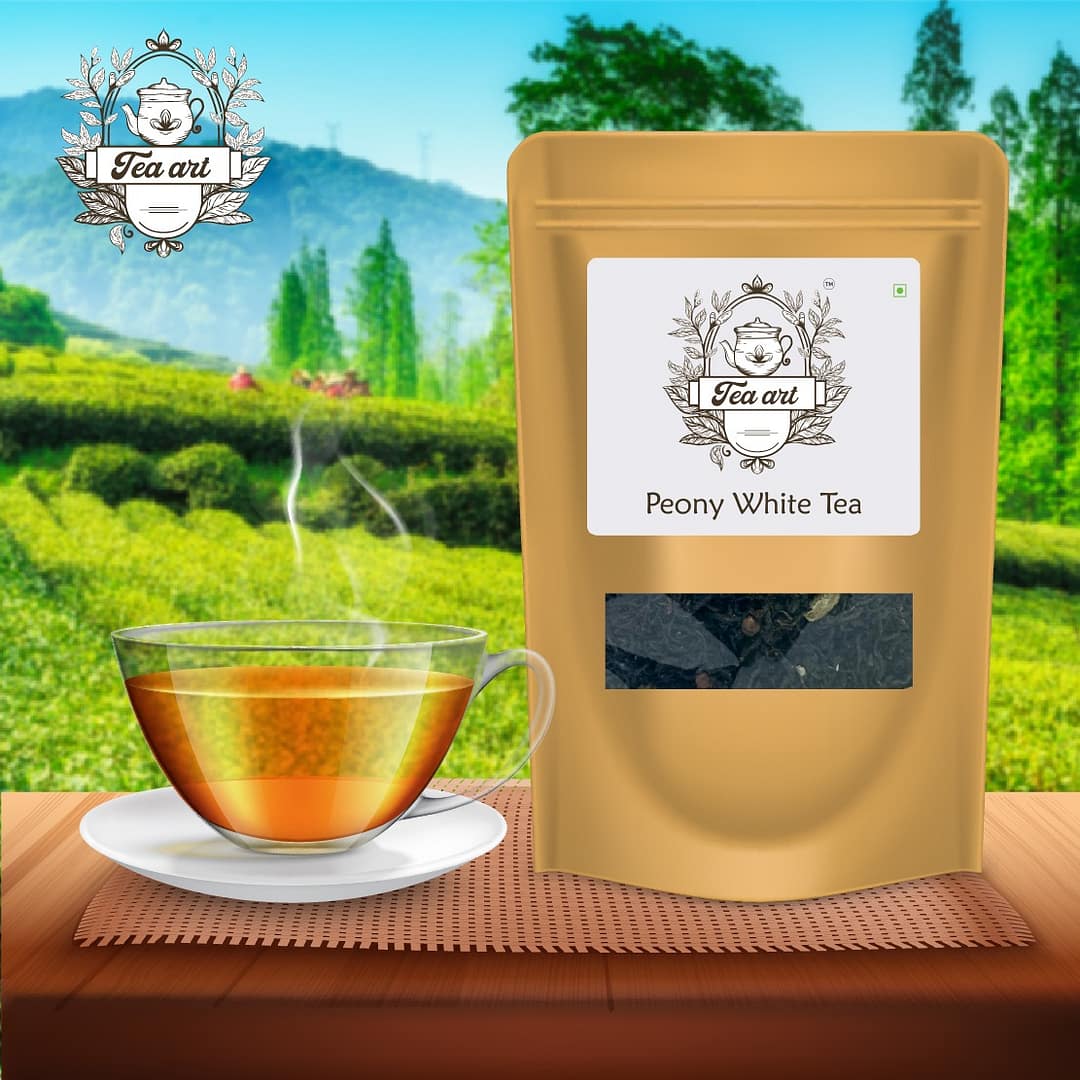
| Delicate, floral | Peony White Tea |
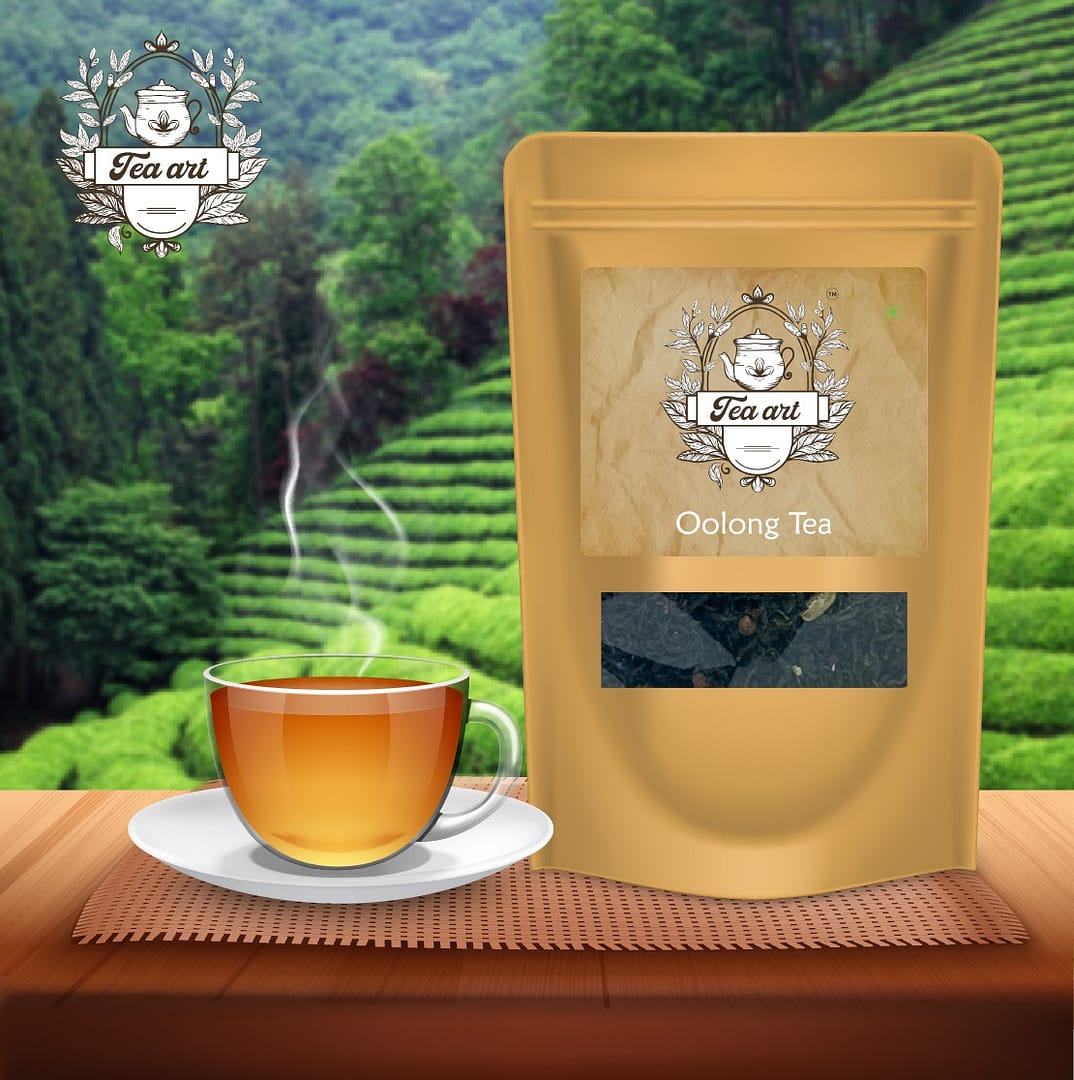
| Fruity, fragrant, slightly roasted | Oolong Tea (e.g., Tie Guan Yin) |
Remember, Green Tea, Peony White Tea, and Oolong Tea are flavor-direction alternatives, not direct substitutes for specific Chinese teas. If you prefer a more roasted, malty profile, black tea like Hongcha is your best fit. For earthy, aged notes, Pu-erh offers a unique experience.
—
Finding the right Chinese tea is about exploring different types and brewing methods. Whether you prefer the fresh vegetal notes of green tea or the complex richness of Pu-erh, there’s a perfect match waiting for you. For a wide selection of quality Chinese teas, explore Happy Lucky’s collection or In Pursuit of Tea.
Choosing the right Chinese tea enhances your daily routine and deepens your appreciation for this centuries-old craft.

Which Chinese Tea Should You Try First?
Ever wondered where to start on your journey into Chinese tea? The answer hinges on your flavor preferences and brewing style. If you love fresh, grassy notes, a green tea like Dragonwell offers a bright, invigorating experience. Prefer something lighter and floral? White tea, such as Peony White, delivers delicate, subtle flavors that soothe the senses. For those drawn to more complex, fruity, or roasted profiles, an oolong like Tie Guan Yin can surprise you with its layered aroma. If you lean toward rich, malty, or caramel tones, Chinese hongcha (often called black tea in English) provides a smooth, warming cup. Lastly, for earthy, mellow flavors with depth, Pu-erh—especially aged varieties—offers a unique, aged character that rewards patience and curiosity.
Keep in mind that the teas linked on Tea Art are flavor-direction suggestions—they’re not necessarily traditional Chinese origin but are curated to help you discover your preferred taste. Exploring these options allows you to understand the diversity of Chinese tea styles, from the fresh and vegetal to the deeply fermented and complex.
—
Chinese Tea FAQs
What are the five main types of Chinese tea?
The five primary categories are green, white, oolong, hongcha (black tea), and pu-erh. Green tea is unoxidized, preserving a fresh, grassy flavor. White tea undergoes minimal processing, resulting in a delicate, floral profile. Oolong falls somewhere in the middle—partially oxidized—offering a broad spectrum from light and floral to roasted and creamy. Hongcha, or Chinese black tea, is fully oxidized, giving it a rich, malty taste. Pu-erh, often aged and post-fermented, develops earthy, woody notes over time. Each type reflects different processing methods, terroirs, and craftsmanship, creating a vast palette of flavors.
Is Chinese tea the same as green tea?
Not exactly. While green tea is a popular and significant part of Chinese tea culture, “Chinese tea” encompasses all five main types—green, white, oolong, hongcha, and pu-erh. Green tea is just one of the many styles within Chinese tea traditions. Think of Chinese tea as a broad category that includes a diverse range of processing techniques and flavor profiles.
What is the difference between Chinese hongcha and Western black tea?
The terms can be a bit confusing. In China, hongcha refers to what many Westerners call black tea, but the Chinese process often involves a different fermentation and oxidation approach, resulting in a distinctive flavor profile. Chinese hongcha typically has a smoother, malty, and sometimes fruity character, with less emphasis on briskness than some Western black teas. The production methods and terroir also influence the final taste, making Chinese hongcha a unique experience even if it shares a name with Western black tea.
How do you brew Chinese tea at home?
Brewing Chinese tea is straightforward but benefits from attention to temperature and steeping time. Use about 1 teaspoon of leaves for 150 ml of water. For green and white teas, keep the water between 70-80°C to avoid bitterness. Oolong and black teas prefer near-boiling water—around 95-100°C. Steep green and white teas for 1-3 minutes, oolong for 3-5 minutes, and black or Pu-erh for 3-7 minutes. Many Chinese teas, especially oolong and Pu-erh, can be steeped multiple times—just increase the steeping time gradually. Experimenting with these variables allows you to find your perfect cup.
Is pu-erh tea fermented or oxidized?
Pu-erh undergoes a different process—it’s a post-fermented tea. After the leaves are harvested and oxidized (similar to other teas), they are aged with microbial fermentation, which develops complex earthy and woody flavors over time. This aging process can last from months to decades, adding depth and character to the tea. So, while it shares some similarities with fermented beverages like wine or beer, pu-erh’s microbial fermentation sets it apart from just oxidation.
—
Choosing your first Chinese tea is about discovering what resonates with your palate. Whether you seek the fresh vibrancy of green tea or the deep complexity of Pu-erh, each offers a doorway into centuries of tradition and craftsmanship. Dive in with curiosity, and let your taste guide you—there’s a world of Chinese tea waiting to be explored.