When you first hear “loose leaf tea,” you might wonder if it’s really worth the extra effort compared to tea bags. Is it fresher, better, or just more complicated? The truth is, quality isn’t solely about the format — factors like origin, processing, and storage play a bigger role. Let’s break down the essentials so you can choose wisely and brew confidently.
What Is Loose Leaf Tea, and Is It Better Than Tea Bags?
Loose-leaf tea refers to whole or broken tea leaves sold without the paper or mesh of a tea bag. But the format alone doesn’t determine quality or taste. A fair comparison involves looking at convenience, portion control, extraction, freshness, and cost. For instance, loose leaves often preserve freshness longer and allow for more control over brewing, but they can require more time and equipment. Tea bags, especially lower-grade dust and fannings, are quick and portable but may sacrifice flavor and aroma.
Keep in mind that leaf size—whole, broken, fannings, or dust—is not simply a ranking of quality. Whole leaves often deliver a more nuanced flavor, but well-processed fannings or dust can still produce good cups, especially if sourced from reputable cultivars and processed carefully. To navigate these differences and make informed choices, check out our loose-leaf tea guide.
Next, we’ll explore a practical brewing chart for common tea types, compare product options, and share tips on how to get the best flavor out of your loose-leaf teas—all tailored to beginners and seasoned enthusiasts alike.

How to Choose Loose-Leaf Tea as a Beginner
Starting with loose-leaf tea can seem overwhelming, but it’s all about finding what suits your taste and routine. Unlike tea bags, loose-leaf tea offers more flavor, aroma, and freshness. It’s worth understanding the different types and how they fit into your daily habits. Choosing the right tea means considering flavor preferences, caffeine levels, and how you plan to brew it.
In a typical Indian household, a cup of green tea in the morning or a calming white tea after dinner can become part of your wellness routine. As a beginner, focus on what you enjoy, and don’t get lost in complex jargon.
Match tea type to flavor preference and routine: green, white, black, oolong, herbal, and spice blends
Think about your taste buds and when you drink tea. Do you prefer a grassy, fresh taste? Green or white teas might suit you. If you like bold, robust flavors, black tea could be your choice. For something lighter and delicate, white teas or herbal infusions work well. Oolong offers a middle ground with complex notes, while spice blends add warmth and zest, perfect for colder days or festive moods.
For example:
- Green tea: Bright, slightly bitter, great in the morning for a gentle caffeine boost.
- White tea: Mild, subtly sweet, ideal for relaxing afternoons.
- Black tea: Strong, full-bodied, perfect for a morning pick-me-up or with breakfast.
- Oolong: Floral and nutty, suitable for an afternoon refresh.
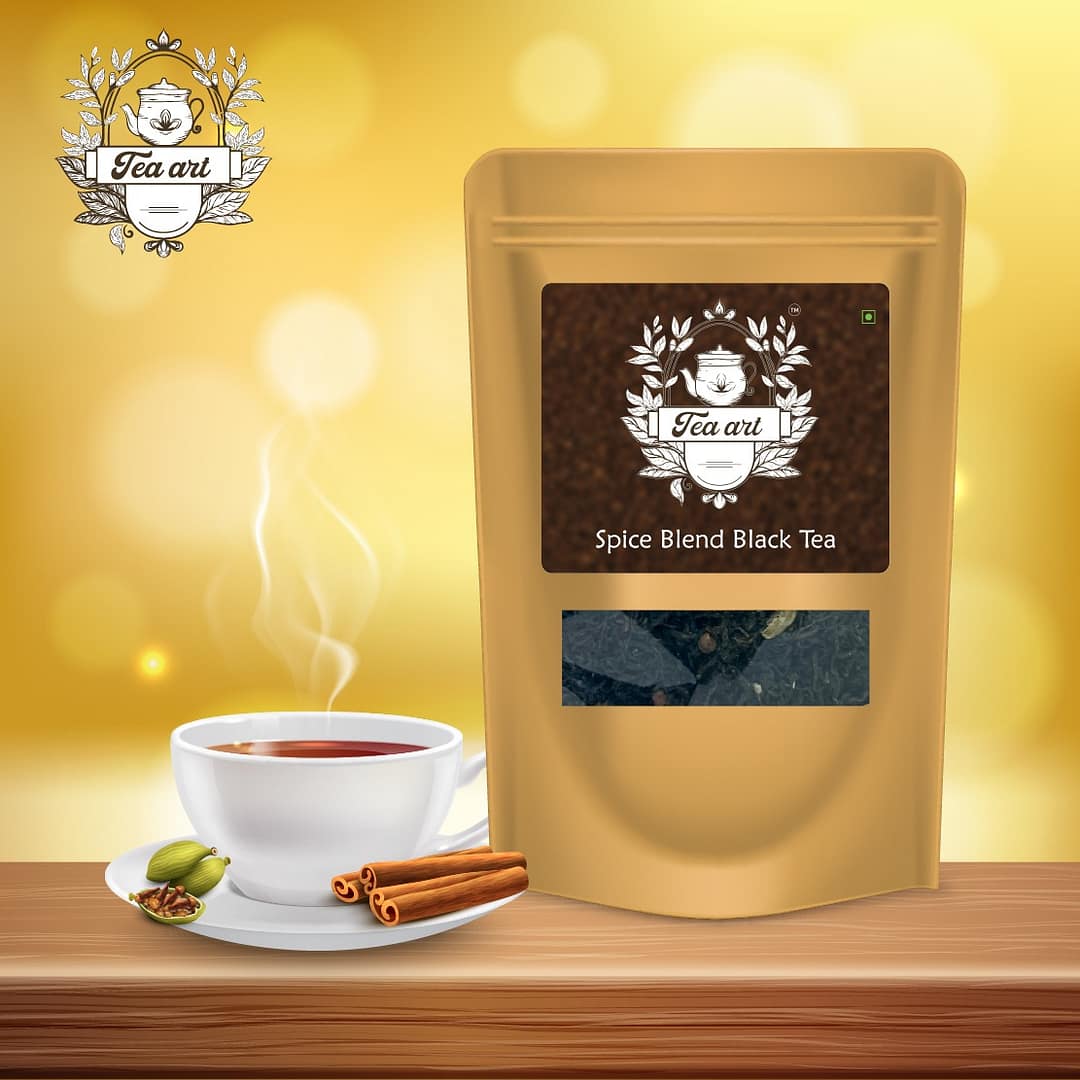
- Herbal/spice blends: No caffeine, great for evenings or soothing sore throats.
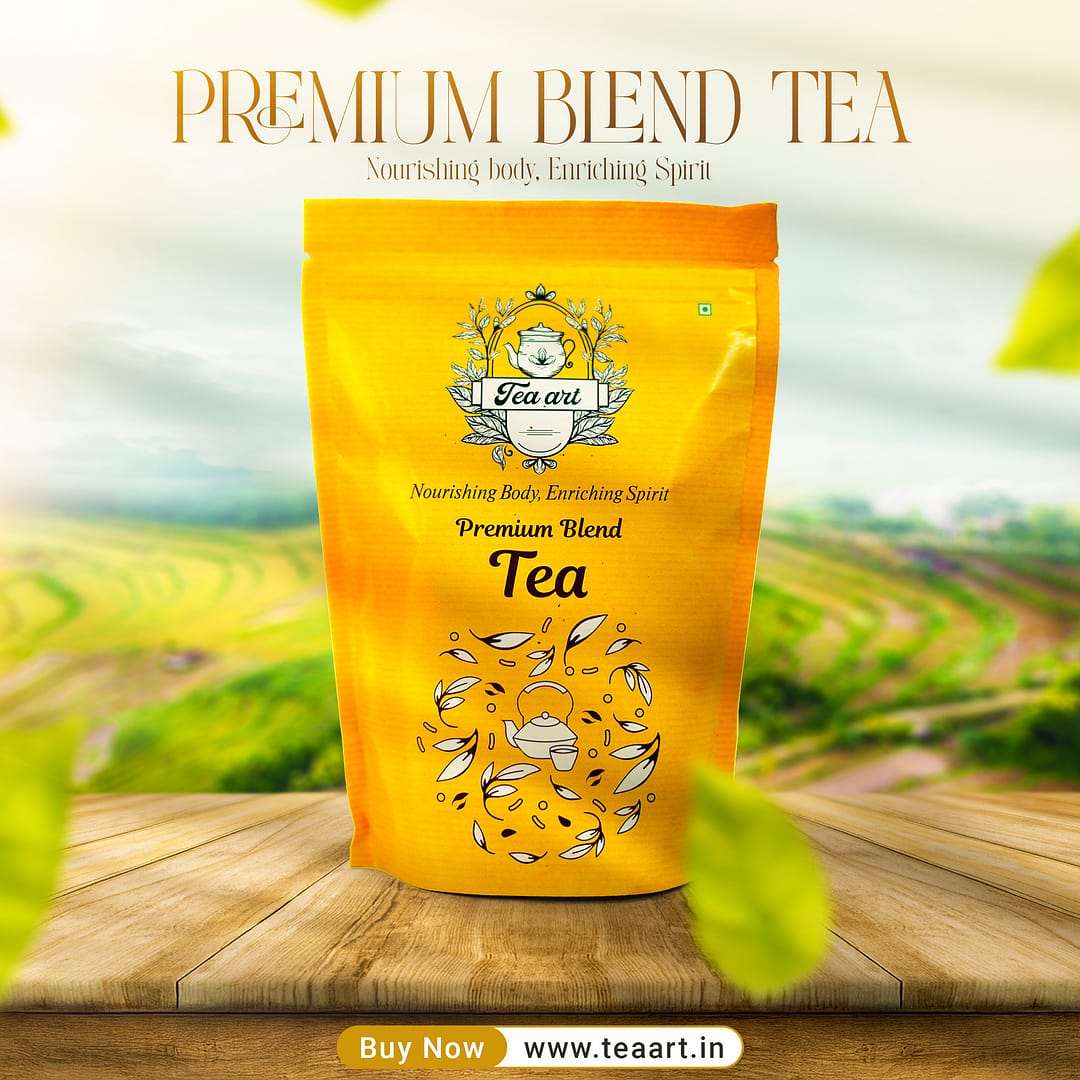
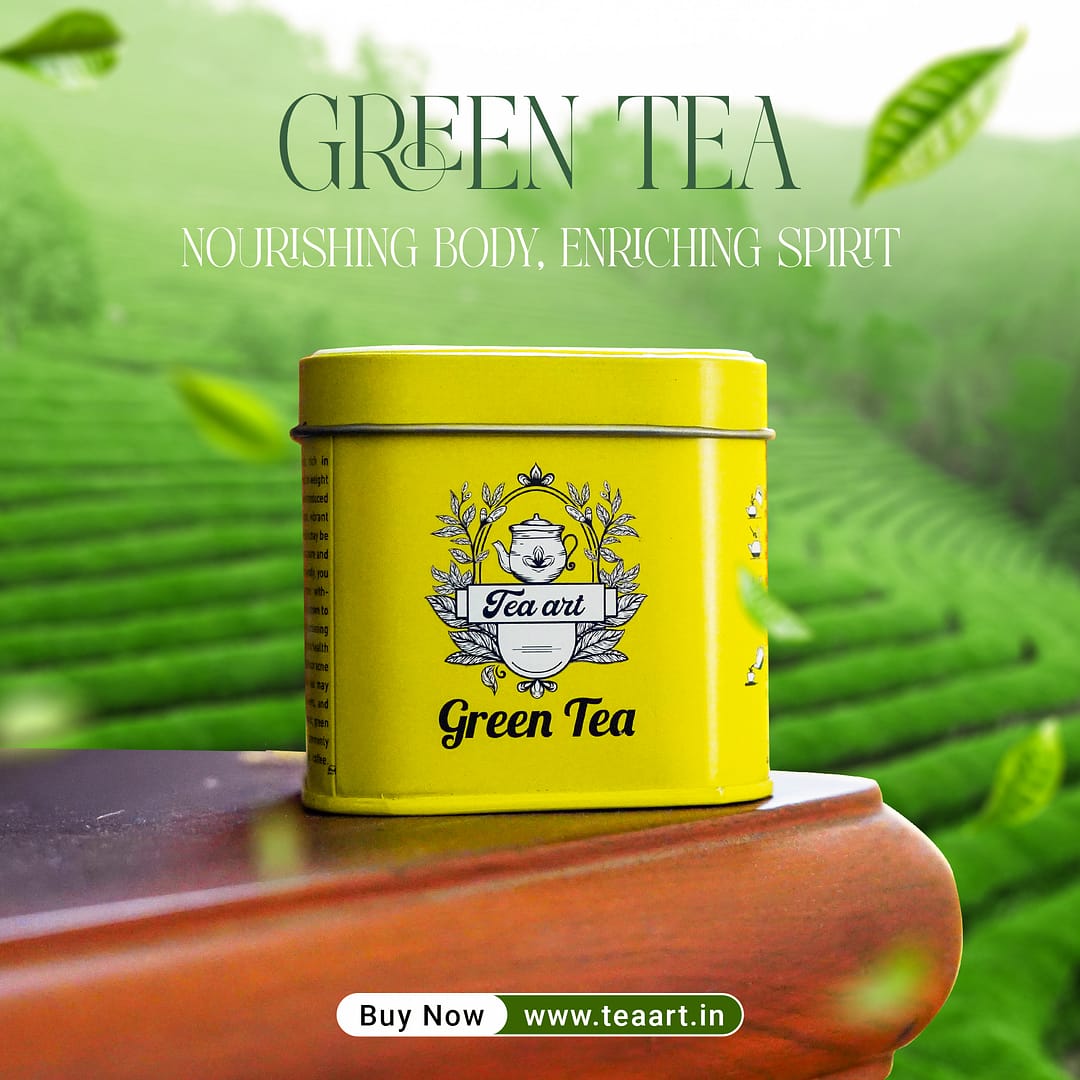
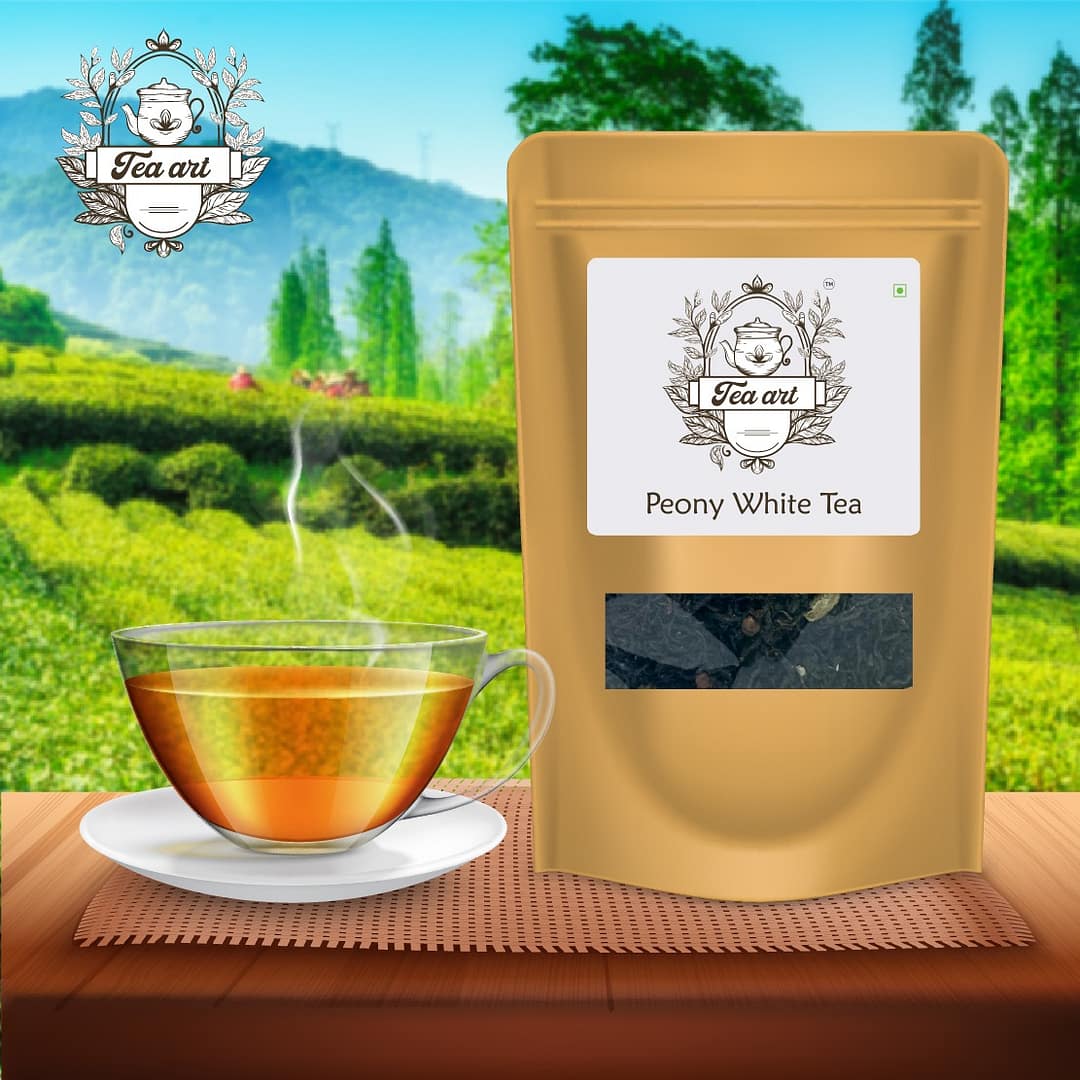
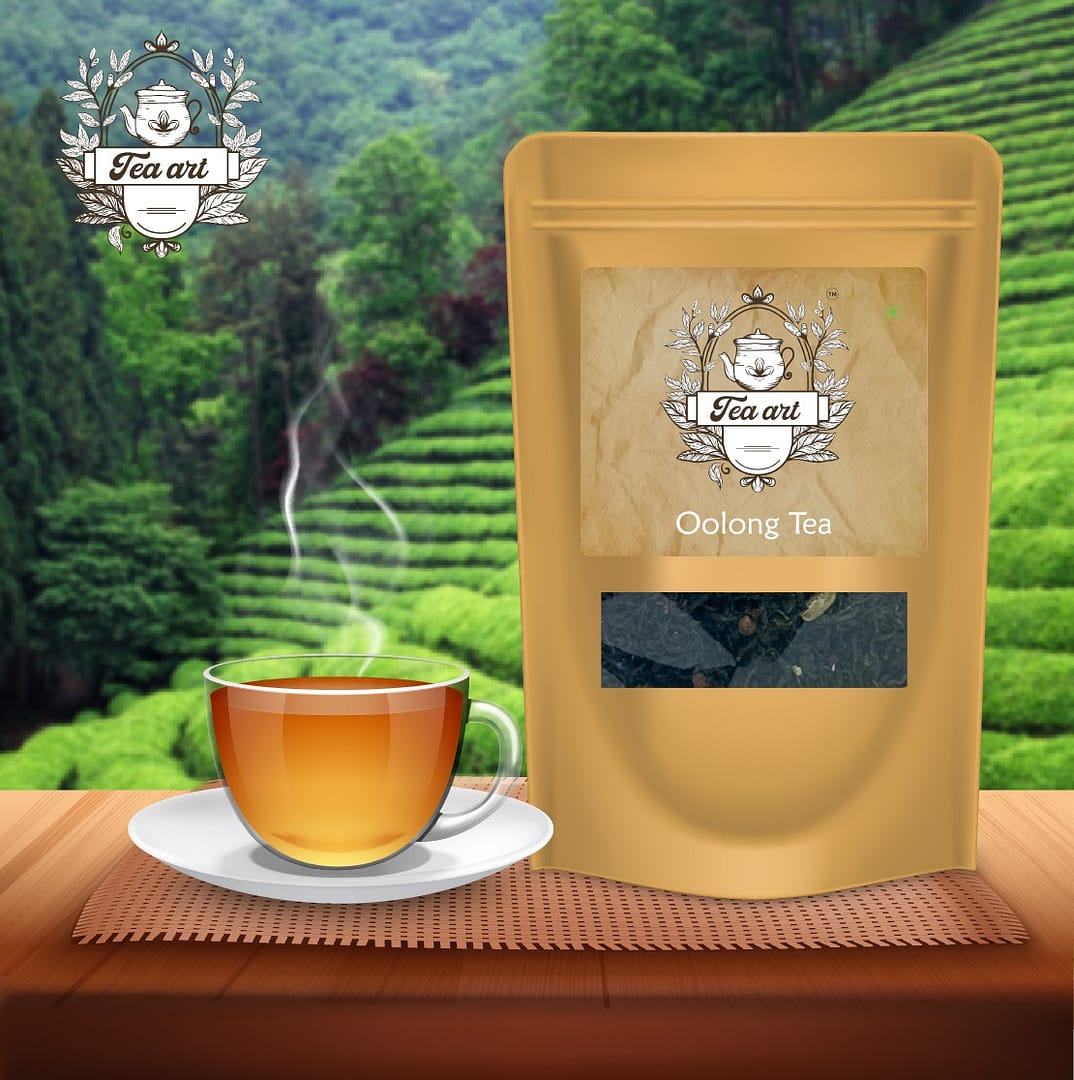
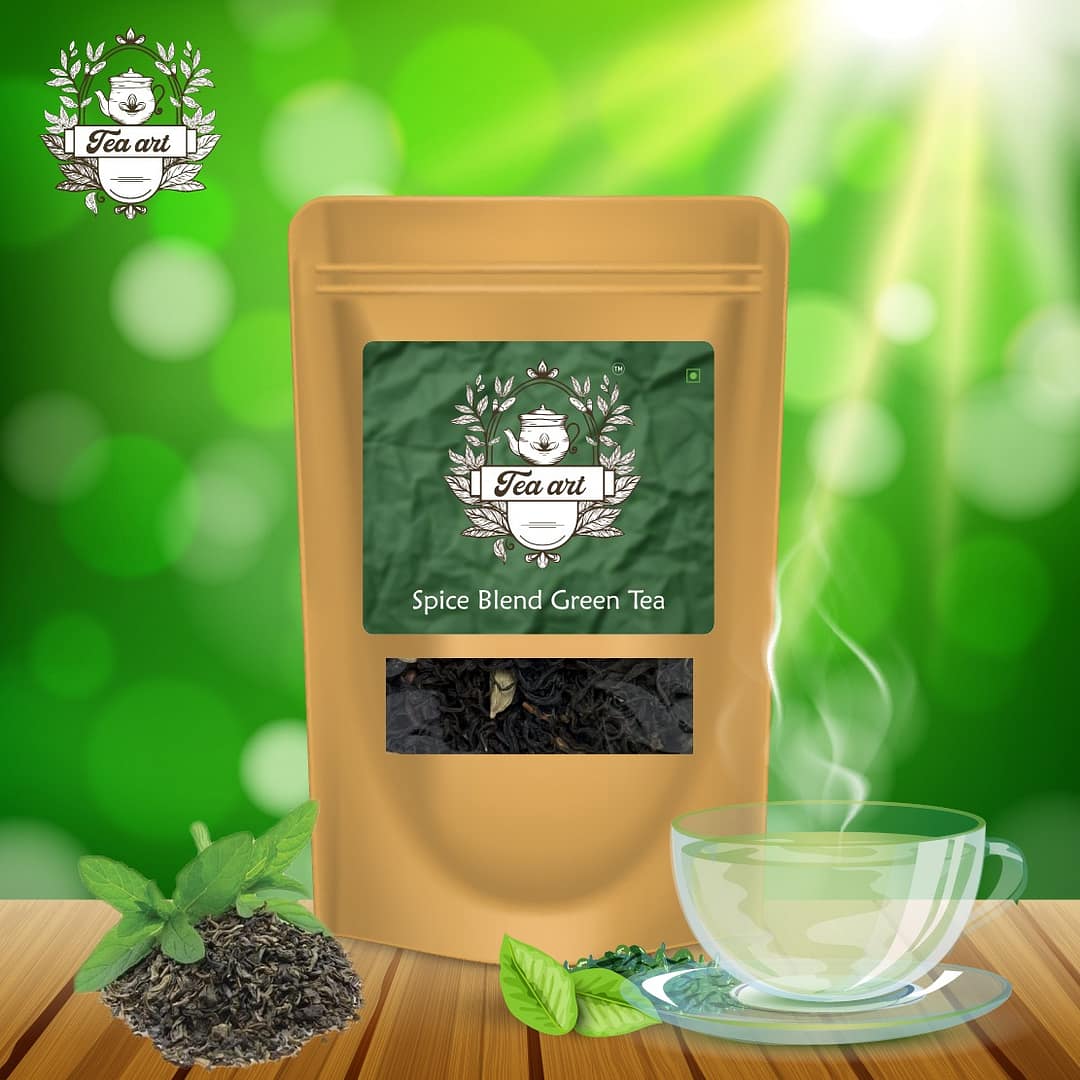
Beginner picks: Show Tea Art product photos with short taste, caffeine, and use-case notes
Starting with quality products makes a difference. Here are some beginner-friendly options from Tea Art:
- Premium loose-leaf green tea: Fresh, grassy flavor, moderate caffeine, ideal for daily energizing cups.
- Green tea bags: Convenient, quick brew, lower price per cup, suited for busy mornings.
- White Tea: Light, slightly sweet, low caffeine, perfect for calm moments.
- Oolong Tea: Complex aroma, moderate caffeine, good for afternoon refreshment.
- Herbal blends: No caffeine, soothing, great before bed or for health benefits.
These products are readily available on our site, and their flavor profiles fit different routines. For example, a white tea like Peony White Tea offers a subtle taste with low caffeine, perfect for unwinding.
Compare value per cup
Cost per cup varies based on pack price, weight, and your typical dose. Here’s a simple way to estimate:
Formula:
\[ \text{Cost per cup} = \frac{\text{Pack price}}{\text{Pack weight (g)}} \times \text{Dose (g)} \]
Suppose a 100g pack of premium loose-leaf green tea costs ₹800. If the recommended dose per cup is 2g, then:
\[
\text{Cost per cup} = \frac{800}{100} \times 2 = ₹16
\]
This calculation assumes one 200-250 ml cup per brew. Always check the current pack price (as of today’s date) and confirm the recommended dose on the packaging.
Buying checklist for freshness and quality:
- Freshness: Check packaging date and expiry.
- Ingredients: Ensure pure tea leaves without fillers.
- Packaging: Airtight, opaque containers keep tea fresh.
- Storage: Keep in a cool, dry place away from strong odors.
How to Brew Loose-Leaf Tea Reliably
Getting your brewing right makes all the difference. Use the right amount of leaves, water temperature, and steeping time.
Measure leaves and water
Here’s a practical chart for brewing different teas:
| Tea Type | Dose (g) | Water Temp (°C) | Steep Time | Notes |
|---|---|---|---|---|
| Green Tea | 2 | 75–80 | 2–3 min | Light, grassy, avoid over-steeping to prevent bitterness |
| Peony White Tea | 2 | 80 | 3–4 min | Mild, delicate flavors |
| Oolong Tea | 3 | 85–90 | 3–5 min | Floral, nutty, can be infused multiple times |
| Premium Tea (Black) | 3 | 95 | 3–4 min | Full-bodied, robust flavor |
| Spice Blends | 2.5 | 90 | 4–5 min | Zesty, warming notes |
Note: Confirm specific guidance on your product’s packaging, as some blends may vary.
Choose simple equipment
A basic infuser, basket, or a teapot with an infuser works well. Use a timer to avoid over or under-steeping. A small kitchen scale ensures accurate dosing—aim for 2–3g per cup depending on the tea.
Adjust by leaf and blend
Some leaves are rolled, crushed, or whole, affecting brewing. For example:
| Tea | Flavour Profile | Audience | Dose (g) | Water Temp (°C) | Steep Time | Equipment | Troubleshooting |
|---|---|---|---|---|---|---|---|
| Green Tea | Vegetal, fresh | Beginners, health-conscious | 2 | 75–80 | 2–3 min | Infuser, teapot | Bitter? Use lower temp, reduce steep time |
| Oolong | Floral, nutty | Experience drinkers | 3 | 85–90 | 3–5 min | Infuser | Weak flavor? Increase dose or steep longer; bitter? Reduce steeping |
Troubleshooting tips:
- Bitter taste usually from too high temperature or steeping too long. Use cooler water or shorter times.
- Weak flavor? Increase leaves or steep longer.
- Multiple infusions are possible—many oolong and white teas improve with a second steep.
—
Choosing loose-leaf tea as a beginner is about balancing flavor, convenience, and cost. With a small investment in good-quality leaves and simple tools, you can craft a satisfying cup every time. Experiment with different types, adjust brewing parameters, and enjoy discovering what suits your taste best.

Curious About Your First Loose-Leaf Brew? Here’s How to Decide and Perfect Your Cup
When starting with loose-leaf tea, your choice should hinge on your flavor preferences, how much time you want to dedicate, and your budget. If you love bold, robust flavors and don’t mind a bit of prep, a high-quality black or oolong might be your go-to. For those seeking lighter, delicate tastes or a calming experience, white or herbal blends are ideal. If convenience is your priority, opting for pre-packed tea bags from trusted brands can be a practical entry point, but investing in a good infuser and quality loose leaves often pays off in flavor and freshness over time.
Always follow the specific brewing instructions provided with each product—water temperature, steeping time, and dose all influence your final cup. Proper storage is equally vital; keep your loose-leaf tea airtight, in a cool, dark place, away from strong odors and heat to preserve its aroma and taste.
—
Loose-Leaf Tea FAQs
Is loose-leaf tea better than tea bags?
Many find loose-leaf tea offers superior flavor and aroma because the leaves are generally less broken and preserve more essential oils. Tea bags, especially those labeled as “dust” or “fannings,” often contain smaller, lower-grade particles that can result in a weaker brew. But quality matters — a well-made tea bag can still deliver a satisfying experience. The key difference is in leaf integrity and freshness, which often favors loose-leaf.
How much loose-leaf tea should I use for one cup?
A typical serving is about 2 grams of loose-leaf tea for a 200–250 ml cup. If you’re using a teaspoon as a guide, it’s roughly one heaping teaspoon. For more delicate teas like white or green, slightly less might be enough, while richer teas like black or oolong might benefit from a touch more. Using a kitchen scale ensures precision, especially if you’re experimenting with different types.
Does loose-leaf tea have more caffeine than tea bags?
Caffeine content depends mainly on the type of tea and how it’s processed, not necessarily whether it’s loose or bagged. However, because loose-leaf tea generally uses larger, whole leaves, it can sometimes yield slightly more caffeine per cup, especially if brewed longer or with more leaves. Still, the variation is usually subtle and more influenced by the specific cultivar and steeping method.
What equipment do I need to brew loose-leaf tea?
A simple infuser or a teapot with a built-in infuser makes brewing straightforward. A small kitchen scale helps measure the right amount of leaves, and a timer ensures you don’t over-steep. Some prefer a gaiwan or a French press, but a good-quality infuser basket is often enough for most beginners. The goal is to control the steeping process to extract the best flavors without bitterness.
How do I store loose-leaf tea to keep it fresh?
Keep your loose-leaf tea in an airtight container, ideally opaque and in a cool, dry place. Avoid exposure to light, heat, and strong odors, which can degrade the leaves and diminish flavor. Small, resealable tins or ceramic jars are good options. Proper storage extends the life of your tea and ensures each brew remains as vibrant as the first.
Can I re-steep loose-leaf tea?
Absolutely. Many teas, especially oolong and white varieties, can be steeped multiple times. Usually, the second or third infusion will have a lighter flavor but retain much of the original character. Adjust steeping times accordingly—sometimes a slightly longer brew helps extract the remaining nuances.
What’s the best way to enjoy a variety of loose-leaf teas?
Start by exploring different types—green, white, black, oolong, and herbal blends—and notice how each responds to your brewing style. Keep notes on what works best for your taste, and don’t hesitate to experiment with dose and steeping times. This approach turns tea brewing into a calming ritual and a personal journey of discovery.
—
Choosing loose-leaf tea is less about mastering complex rules and more about tuning into what makes each cup enjoyable. With a few simple tools, an understanding of your preferences, and attention to storage and brewing, your first cup can become the start of a rewarding exploration. Cheers to finding your perfect brew—one leaf at a time.