Lavender tea is a fragrant herbal infusion that delights the senses with its floral, aromatic notes. It’s simple to brew—just a teaspoon of culinary lavender buds steeped for 3–5 minutes—creating a calming, caffeine-free drink. Over-steeping can turn it bitter, so precision matters. Curious about making the perfect lavender tea? Let’s explore what makes it special and how to enjoy it best.
What Is Lavender Tea, and What Does It Taste Like?

How to Brew Lavender Tea Without Making It Bitter
Lavender tea offers a fragrant, floral experience that can calm the mind and soothe the senses. When brewed correctly, it’s light, aromatic, and enjoyable. But over-steeping or using too much lavender can quickly turn the drink bitter and overpowering. The key is precise measurement and proper steeping time.
Ingredients and Measurement
For a balanced cup of lavender tea, use 1 teaspoon of culinary-grade dried lavender buds per 240 ml (8 oz) of water. This ratio ensures a fragrant infusion without overwhelming the palate. If you’re new to lavender tea, start with this amount and adjust according to your taste. Keep in mind, premium culinary lavender buds are designed for tea, unlike lavender used for aromatherapy or crafts, which may contain additives.
Steeping Steps
1. Use freshly boiled water: Pour 240 ml of boiling water (around 100°C or 212°F) over the lavender buds. Using freshly boiled water helps extract the full floral aroma without over-extracting bitter compounds.
2. Steep for 5 minutes: Set a timer for 5 minutes. This duration allows the lavender to release its flavor without turning bitter. Longer steeping times tend to increase bitterness, especially if the lavender is left in the water for more than 7 minutes.
3. Strain and taste: Remove the lavender buds by straining the tea into your cup. Taste the tea, and if you prefer a stronger flavor, you can steep for an additional minute, but avoid exceeding 7 minutes.
4. Adjust to taste: Add honey, lemon, or fresh mint to enhance flavor. For example, a teaspoon of honey complements the floral notes beautifully, while a squeeze of lemon adds brightness.
Serving Ideas
1. Add a teaspoon of honey for natural sweetness.
2. Squeeze fresh lemon for a citrusy twist.
3. Garnish with a sprig of mint for freshness.
Recipe Summary:
1. Measure 1 tsp dried lavender buds.
2. Pour 240 ml boiling water.
3. Steep for 5 minutes.
4. Strain and adjust sweetness or acidity.
5. Enjoy with honey, lemon, or mint.
—
Does Lavender Tea Have Caffeine? What the Evidence Says
Pure lavender infusion is naturally caffeine-free. Since lavender itself doesn’t contain caffeine, drinking lavender tea made solely from dried lavender buds won’t give you a caffeine boost. It’s a calming, herbal infusion perfect for relaxing evenings or reducing stress.
Distinguishing Caffeinated and Non-Caffeinated Lavender Tea
Many commercial lavender teas are blends. Some include black or green tea leaves, which do contain caffeine. For example, a lavender-black tea blend will have the stimulating effect of caffeine alongside the floral aroma. Always check the ingredient list—if it includes black or green tea leaves, expect caffeine.
Traditional Use and Scientific Evidence
Lavender has been used for centuries in aromatherapy and herbal medicine for its calming properties. Research supports that lavender extracts and aromatherapy may help reduce anxiety and promote sleep, but evidence on drinking lavender tea is limited. The National Center for Complementary and Integrative Health (NCCIH) emphasizes that most benefits come from aromatherapy rather than ingestion.
While some peer-reviewed studies suggest lavender may support relaxation, these focus on extracts or aromatherapy, not tea. As always, avoid promising medical benefits unless supported by robust evidence. If you’re curious about teas that help you sleep, explore this list.
—
Lavender Tea Alternatives from Tea Art
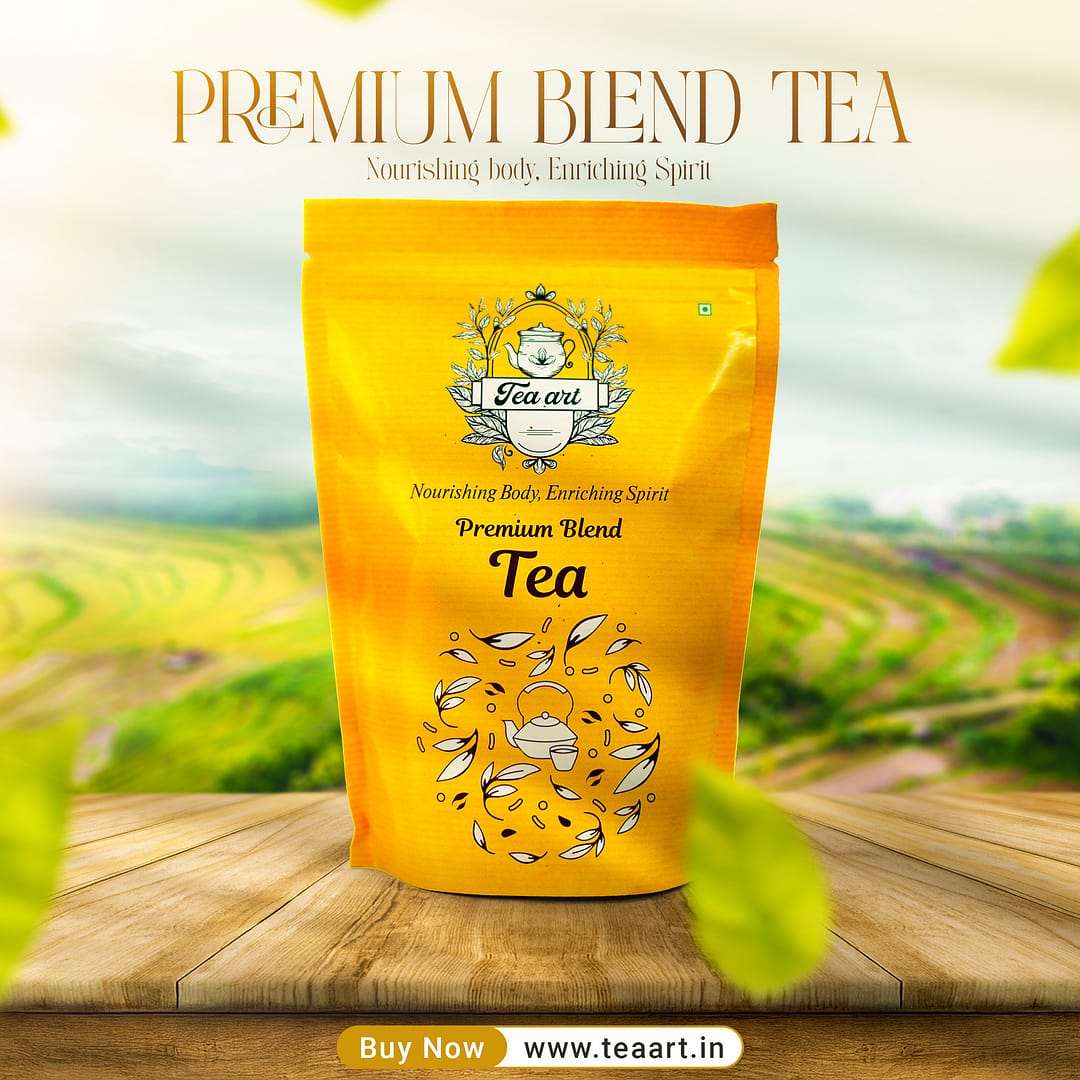
If you’re interested in floral or calming teas but want to explore other options, Tea Art offers a variety of blends that do not necessarily include lavender. Here’s a quick comparison:
| Tea | Cup Profile | Caffeine Note | Product Link |
|---|---|---|---|
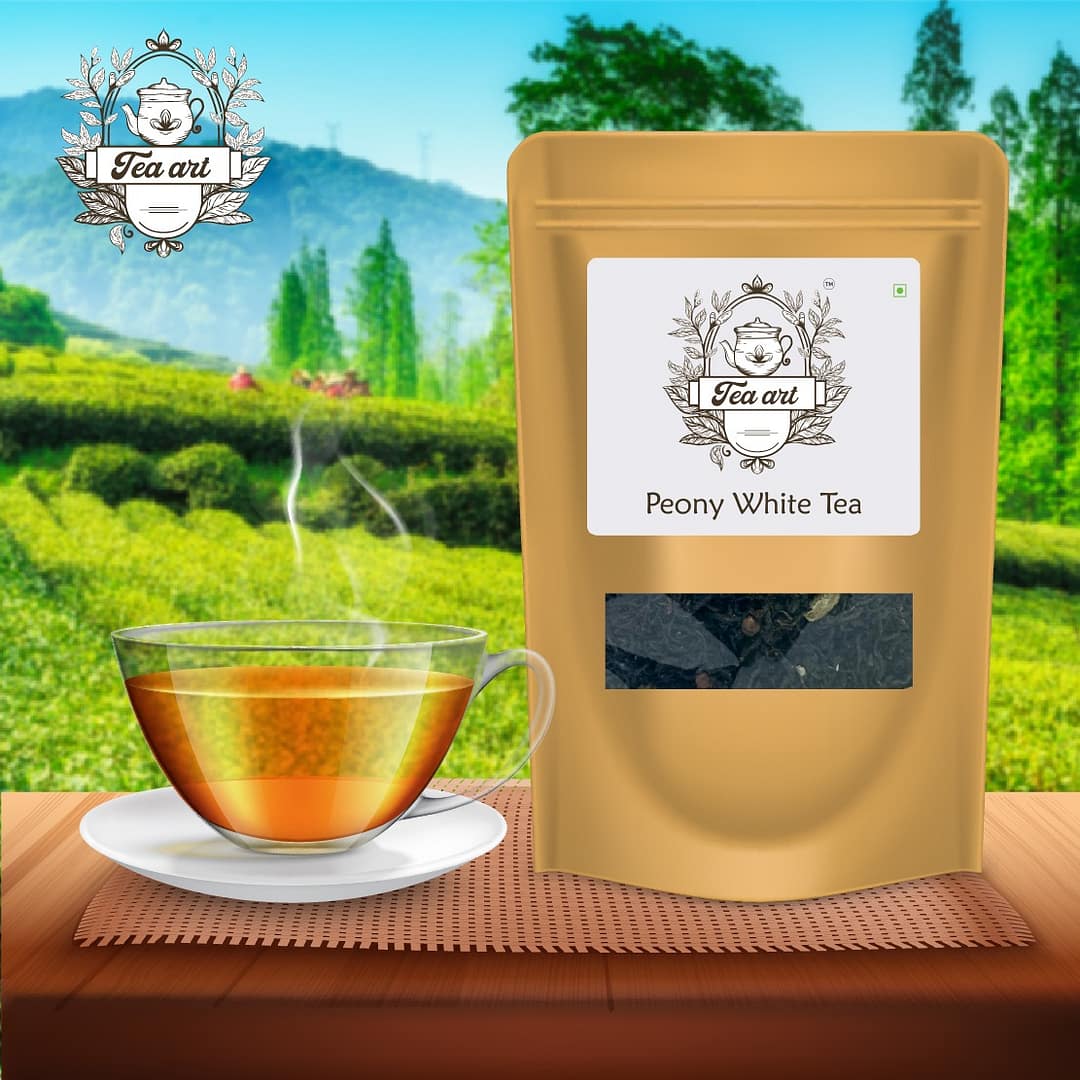
| Peony White Tea | Delicate, floral, light | Caffeine-free | Peony White Tea (Approx. ₹759) |
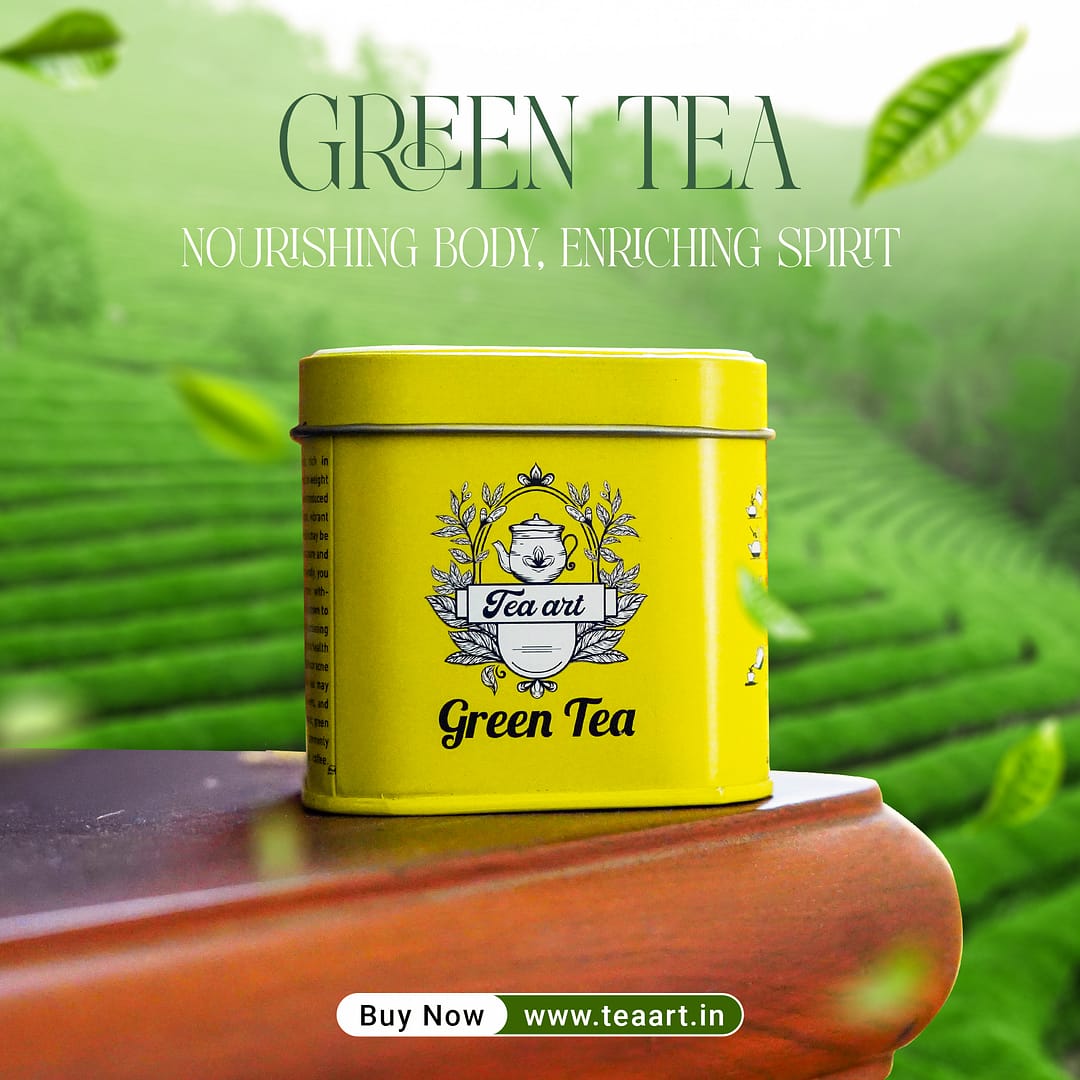
| Green Tea | Light, grassy, fresh | Caffeinated | Green Tea (Approx. ₹300) |
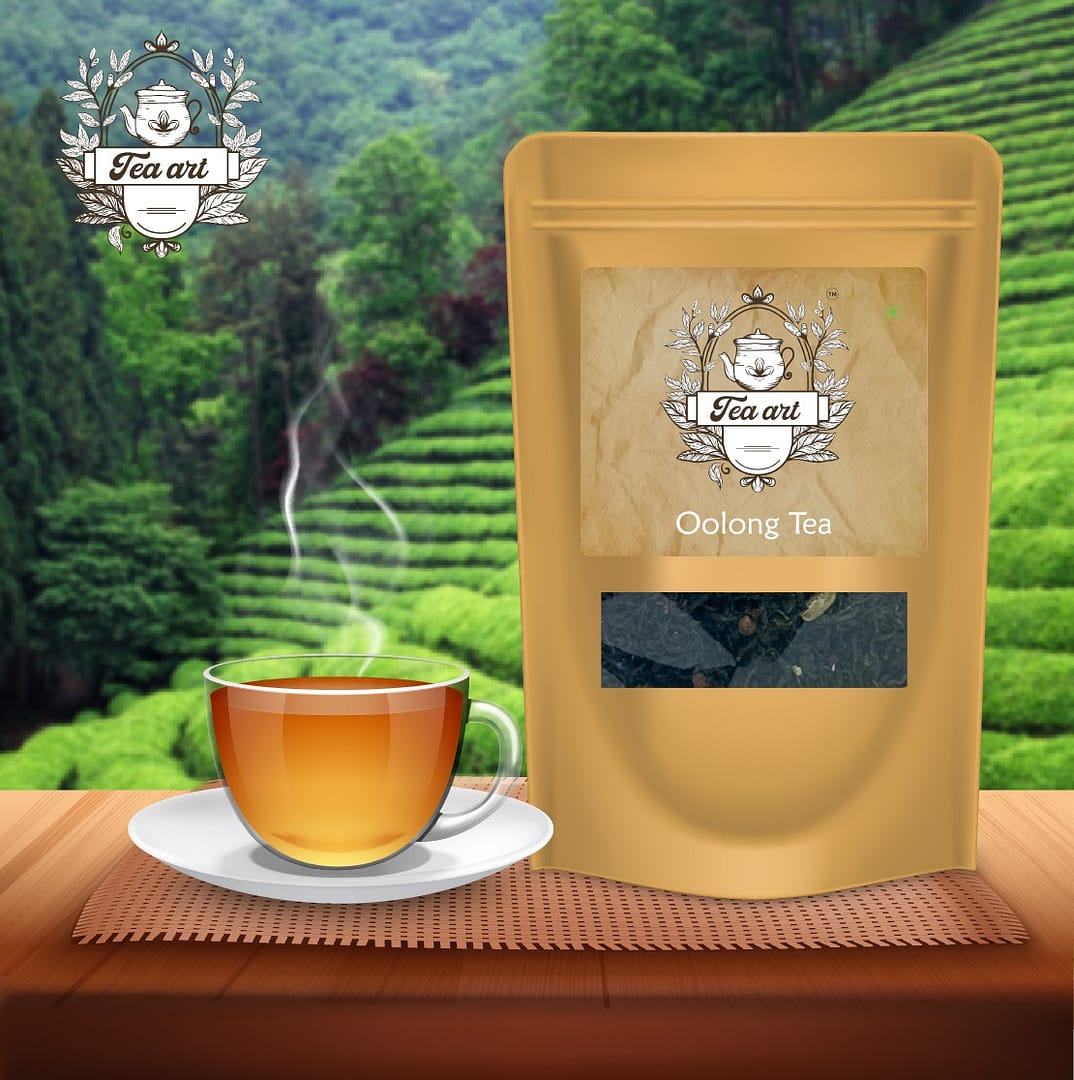
| Oolong Tea | Rounded, complex aroma | Caffeinated | Oolong Tea (Approx. ₹522) |
Note: These teas do not contain lavender unless explicitly listed in the ingredient label.
Curious about different flavor profiles? Visit tea flavor profiles for a deeper dive.
As of now, Tea Art does not carry lavender tea in its current product lineup. Be sure to check the website regularly for updates on new offerings.
—
Lavender tea can be a soothing addition to your tea collection when brewed carefully. Remember, precise measurement and short steeping times help bring out its floral aroma without bitterness. Whether you prefer it plain or with a splash of lemon, this herbal infusion offers a calming experience that’s caffeine-free—perfect for winding down or simply enjoying a moment of tranquility.

What’s the best way to pick your lavender tea?
Choosing your lavender tea really comes down to your preferences for flavor and caffeine. If you’re after a caffeine-free, floral infusion that’s pure and soothing, look for pure culinary lavender buds. This option lets you enjoy the delicate, fragrant notes of lavender without any added stimulants, making it ideal for relaxing evenings or calming moments during the day.
On the other hand, if you enjoy a bit of caffeine and a different flavor experience, you might opt for blends that incorporate green or black tea along with lavender. These can add complexity to the cup but remember—they contain caffeine unless the ingredient list specifies otherwise.
It’s worth noting that if lavender tea isn’t listed on a particular product’s page, it might not be available through that supplier at the moment. Always check the ingredients to ensure you’re getting the pure, floral infusion you’re after.
Lavender Tea FAQs
Is lavender tea caffeine-free?
Yes, pure lavender tea made from dried lavender buds is naturally caffeine-free. Since lavender doesn’t contain any caffeine itself, steeping culinary-grade lavender creates a herbal infusion that’s gentle and relaxing, perfect for winding down without the stimulating effects of caffeine.
How much lavender should I use for one cup of tea?
A good starting point is about 1 teaspoon of dried culinary lavender buds for an 8 oz (240 ml) cup. This amount strikes a balance between fragrant aroma and flavor without risking bitterness. If you prefer a stronger floral note, you can increase the amount slightly, but avoid exceeding 1.5 teaspoons to prevent over-extraction, which can turn the tea bitter. Remember, a light, floral infusion is what makes lavender tea so delightful.
Can you drink lavender tea every day, and what should you know about safety?
For most people, drinking lavender tea daily in moderate amounts is generally safe. However, it’s always wise to listen to your body—if you notice any adverse reactions, like allergies or digestive discomfort, it’s best to cut back. While lavender is traditionally used for relaxation, scientific research on the safety of regular consumption of lavender tea is limited. It’s best to enjoy it as part of a varied diet, especially if you’re pregnant, nursing, or on medication—consult with a healthcare professional if you have concerns.
Does lavender tea help you sleep?
Lavender has long been associated with calming and sleep-promoting effects in aromatherapy. Some individuals find that a warm cup of lavender tea helps create a relaxing atmosphere before bedtime. However, the scientific evidence supporting this effect from drinking lavender tea is not conclusive. Most studies focus on lavender oil or aromatherapy rather than the infusion itself. Still, if you find it soothing, it can be a gentle addition to your bedtime routine.
Are there other things I should know about drinking lavender tea?
Besides its gentle calming reputation, it’s good to remember that lavender tea isn’t a medicinal cure. While it can be a lovely way to unwind, it shouldn’t replace medical treatment for health conditions. Also, be cautious if you’re pregnant or have allergies—some people might be sensitive to lavender. Always opt for culinary-grade lavender to ensure safety and quality, and enjoy the calming aroma and flavor without overdoing it.
—
In the end, the right choice of lavender tea is a personal one, shaped by your taste, caffeine needs, and how you want to experience its floral serenity. Whether you opt for a pure, caffeine-free infusion or a blend with a bit of a kick, the key is gentle preparation and mindful enjoyment. Sometimes, the simplest, most natural delights make the biggest difference in our daily routines.