Choosing the right tea in India often feels like a puzzle—do you want a strong everyday chai, a smooth regional black tea, or a refined loose-leaf variety? The matcha tea price can vary just as much as the flavor profiles, making it tricky to pick what suits your taste and budget. The best tea isn’t the same for everyone; it depends on how you brew, what flavors you prefer, and how much you’re willing to spend. At Tea Art, we’re committed to helping you navigate these choices with clear, honest comparisons of top brands, origins, and price points. Want to explore a popular regional favorite? Check out our guide to masala chai.
—
Best Tea in India: Which Tea Should You Choose?

Best Tea Brands in India Compared
Choosing the right tea brand can transform your daily cup, whether you prefer a strong masala chai or a delicate green. If you’ve searched for “matcha tea price,” you’re likely interested in premium options that balance quality and value. Not all teas are created equal—some brands source from verified origins, while others rely on marketing claims. To help you navigate, we’ve compared top brands and clarified how we selected these teas.
How We Selected and Checked the Teas
Our process is transparent. We based our choices on several key criteria:
- Tea type: We focused on popular varieties—black, green, white, oolong, herbal, and wellness blends.
- Verified origin: We verified origin details through Tea Board of India or GI (Geographical Indication) records when available.
- Product/leaf grade: When disclosed, we checked the leaf grade for quality insights, especially for premium teas.
- Flavour and use: We considered flavour profiles and ideal brewing uses—morning energizers, calming infusions, or health boosts.
- Value: Price per 100 g was calculated for a fair comparison, factoring in pack size and current pricing.
- Availability: We looked at stock levels across online retailers to suggest accessible options.
- Date-check listings: All data was verified as of the latest update—review/update dates are shown.
- Claims verification: We distinguish brand claims from independently verified facts, citing the Tea Board of India and FSSAI labels for authenticity.
This rigorous approach ensures you get an honest picture of each brand’s offerings.
Brand and Product Comparison
Below is a snapshot of popular brands, including some from Tea Art, with current details. Prices can fluctuate, so always check the latest before purchase.
| Brand / Product | Type | Origin (verified) | Speciality | Price (₹) | Pack Size | Best Use | Purchase Link |
|---|---|---|---|---|---|---|---|
| Vahdam Tea | Loose leaf, black/green | India (verified) | Premium, direct-from-farm | 600 | 100 g | Daily drinking | Buy here |
| TeaBox | Assorted blends | India (verified) | Artisanal, curated | 450 | 100 g | Gifts, experimentation | Buy here |
| Tata Tea | CTC black | India (verified) | Everyday chai | 150 | 250 g | Chai lovers | Buy here |
| Wagh Bakri | Black, green | India (verified) | Regional staple | 130 | 200 g | Morning brew | Buy here |
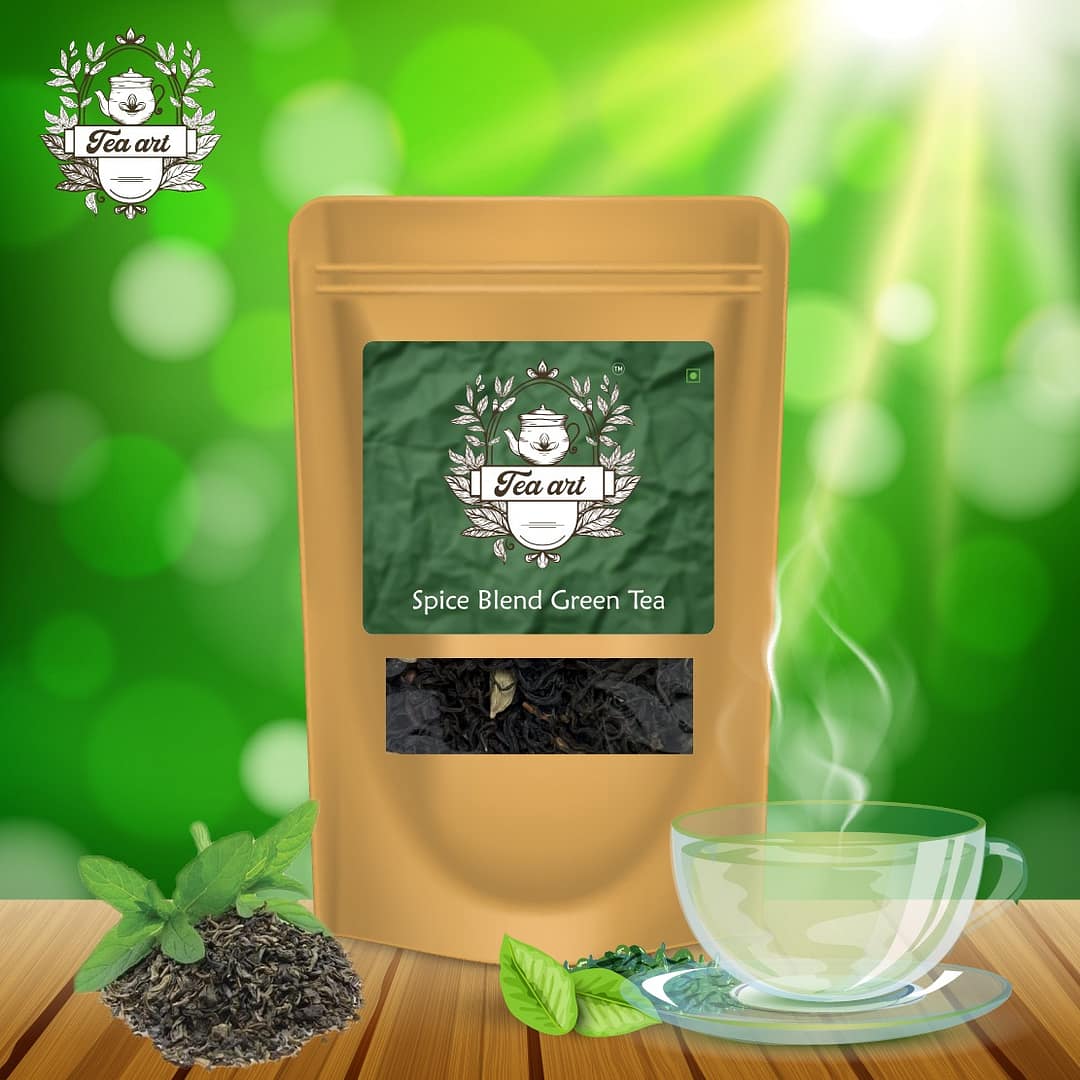
| Tea Art | Green | India (verified) | Nilgiri origin | 350 | 50 g | Refreshing greens | Buy from the best |
Note: Details marked as unavailable or unverified are flagged. Prices are current as of the latest update and may change.
—
Choose by Tea Style, Taste, and Brewing Method
Different teas need different handling to bring out their best. Here’s a comparison to guide your choices.
Assam CTC and Masala/Cardamom Chai
| Aspect | Assam CTC | Masala Chai |
|---|---|---|
| Processing | Crush, Tear, Curl (CTC); fast oxidation | Blend of Assam black tea with spices |
| Leaf Grade | Usually broken leaf | Usually broken leaf, often with spices added |
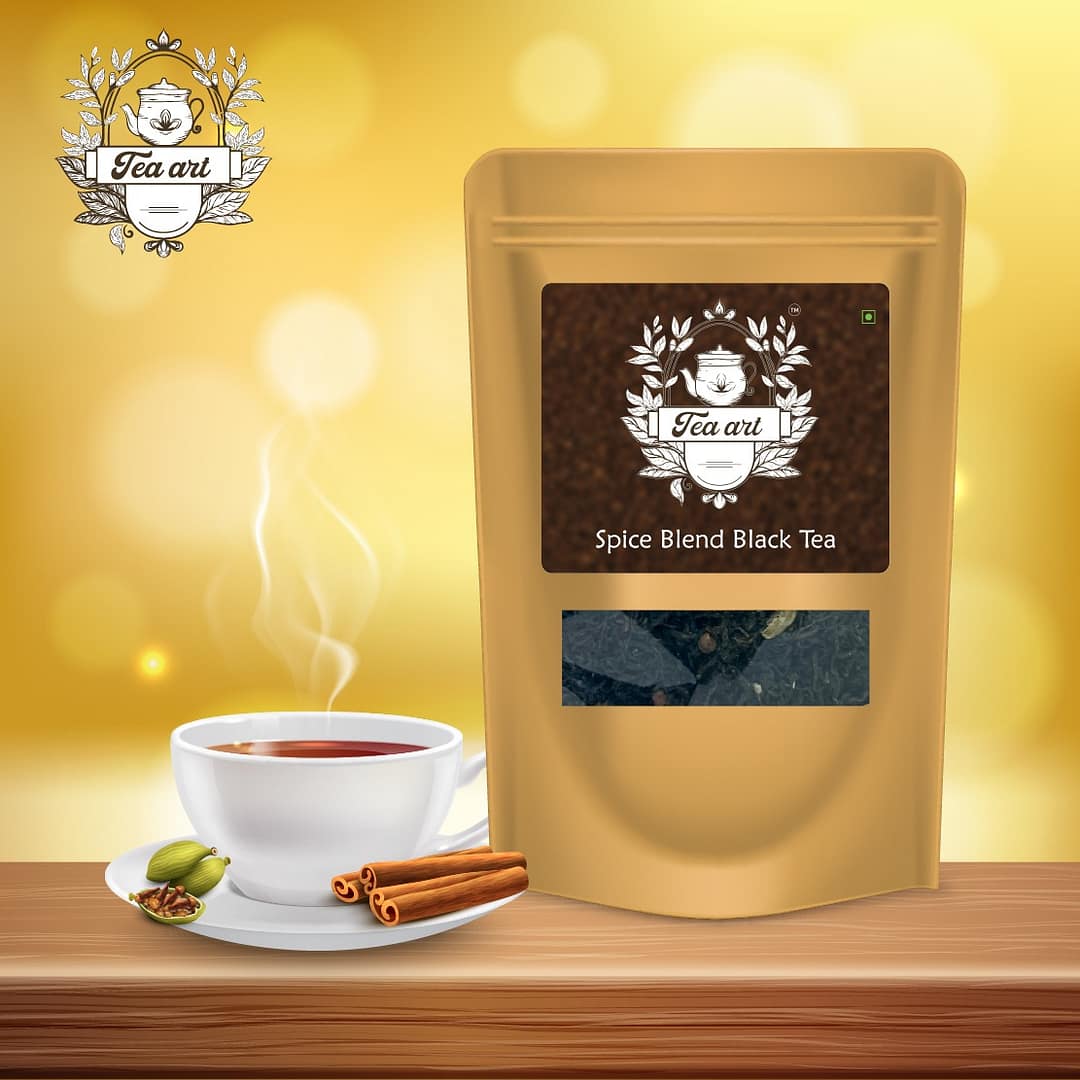
| Aroma | Rich, malty | Spicy, warming |
| Body | Full, robust | Medium to full, with spice notes |
| Liquor Colour | Deep amber | Reddish-brown |
| Brew Time | 3-4 minutes | 4-5 minutes, with spices steeped longer |
Brewing tip: Use boiling water (100°C), 1 tsp per cup, and steep for recommended times. For masala chai, add spices during steeping for full flavor.
Learn more about Assam tea and masala chai.
Nilgiri Black, Green, White, and Oolong
| Tea Type | Processing | Flavour | Body | Liquor Colour | Brewing Approach |
|---|---|---|---|---|---|
| Nilgiri Black | Full oxidation | Bold, malty | Medium to full | Deep amber | Steep at 95°C, 3-4 min |
| Nilgiri Green | Steamed or pan-fired | Fresh, grassy | Light | Pale yellow-green | 80-85°C, 2-3 min |
| Nilgiri White | Withered, dried | Light, delicate | Light | Pale yellow | 70-75°C, 2-3 min |
| Nilgiri Oolong | Partial oxidation | Floral, complex | Medium | Reddish-orange | 85-90°C, 3-4 min |
Note: Tea Art’s Nilgiri teas are sourced from Tamil Nadu’s Nilgiri hills, offering a distinct regional profile.
—
How to Buy and Brew Better Tea at Home
Getting your perfect cup involves more than just selecting a brand. Here’s how to refine your process.
Loose-Leaf Buying Checklist
- Whole-leaf vs. broken leaf: Whole leaves retain more aroma and flavor. Look for descriptions mentioning “whole leaf” or “fine leaf grade.”
- Freshness: Check harvest date or best-by date. Fresh tea is more aromatic and vibrant.
- Ingredients: Pure tea or herbal blend? Read labels to avoid fillers.
- Pack size: Larger packs often offer better value; calculate price per 100 g.
- Storage: Keep tea in airtight, opaque containers away from light and humidity.
- Labelling: Confirm origin details; verified labels indicate quality.
For more tips, see our loose-leaf tea guide.
Simple Brewing Steps
- Water temperature: Use near boiling (100°C) for black and herbal teas; lower (80-85°C) for greens and whites; around 90°C for oolong.
- Tea-to-water ratio: Generally 1 tsp (2-3 g) per 200 ml. Adjust to taste.
- Steep time: Black tea (3-4 min), green (2-3 min), white (2 min), oolong (3-4 min), herbal (5-7 min).
- Additives: Milk and sweeteners are common for chai and black teas; avoid them for delicate greens and whites to preserve subtle flavours.
- Health note: While tea contains antioxidants, avoid making health claims about specific benefits without proper evidence. Moderate consumption is a good rule.
Applying these steps ensures each brew is tailored to the tea type, enhancing flavor and experience.
—
With clear criteria and practical tips, finding the best tea brand and brewing method becomes straightforward. Whether you’re exploring regional black teas or premium greens, knowing what to look for helps you enjoy every sip.

Final Sip: Which Tea Is Your Perfect Match in India?
Picking the right tea isn’t just about price or brand—it’s about aligning your taste preferences and daily routine with the style that suits you best. Want a robust, everyday chai that keeps you energized? Look for a strong Assam CTC or masala chai blend. Prefer regional character with nuanced flavors? Nilgiri black or green teas from trusted sources like Tea Art or Wagh Bakri can elevate your experience. If you’re curious about premium loose-leaf options, brands like Vahdam or TeaBox offer quality that’s worth exploring, with transparent origin details and fresh packaging. Herbal and wellness blends are your go-to for calming or health-boosting infusions.
Always verify the current live prices, pack sizes, ingredients, and origin details before making your choice. This ensures your purchase aligns with your expectations and budget. Remember, the best tea in India for you hinges on how well it fits your taste, brewing style, and health goals—so choose what resonates.
—
Best Tea in India: Frequently Asked Questions
Which tea is best for daily drinking in India?
For everyday sipping, a good quality CTC black tea from a trusted brand like Tata or Wagh Bakri makes a reliable choice. They’re readily available, affordable, and brew into that bold, full-bodied cup that’s perfect for mornings or afternoons. If you prefer green or herbal, look for fresh, single-origin options from brands like Tea Art or TeaBox—these often come in smaller packs but offer consistent quality. The key is selecting a tea that’s fresh, properly stored, and suits your taste—there’s no need to settle for less when you can find a well-sourced daily brew that energizes and satisfies.
Which Indian tea is strongest for chai?
The strongest for chai is typically a robust Assam CTC, known for its malty, full-bodied character. Brands like Tata Tea or Wagh Bakri often provide CTC blends that hold up well to milk and spices, creating that rich, comforting cup. When brewing chai, a longer steep and boiling water help extract maximum strength and flavor, making it ideal for those who love a bold, spicy chai every day.
Is loose-leaf tea better than tea bags?
It depends on what you’re after. Loose-leaf tea generally offers more flavor, aroma, and freshness since the leaves are less broken and retain more essential oils. It also allows for better control over brewing time and temperature. Tea bags, on the other hand, are convenient and quick, often made from broken or dust-grade leaves that may lose some aroma during processing. If you care about taste and quality, opting for loose-leaf tea from reputable brands like Vahdam or Tea Art can significantly enhance your tea experience. For casual or on-the-go moments, good-quality tea bags still do the job—just be mindful of the source and ingredients.
Which tea is best for beginners who want to try premium tea?
For those new to premium teas, starting with a well-curated green or Nilgiri black tea from brands like Tea Art or TeaBox is ideal. These teas tend to have approachable, balanced flavors that aren’t overwhelming, making them perfect introductions. Look for single-origin, fresh-packed options labeled clearly with origin details. If you prefer a gentle start, white teas or mild oolong varieties can also be a good entry point, offering nuanced flavors without the intensity of stronger black teas.
How does matcha tea price vary, and what should I expect?
Matcha tea prices can vary widely depending on quality, origin, and grade. Premium ceremonial-grade matcha from Japan can cost $30–$60 per 30 grams, while culinary-grade options are more affordable, around $10–$20 for a similar amount. In India, some specialty brands and importers offer matcha at competitive prices—generally between ₹1,000 and ₹3,000 per 100 grams—though you should always verify the product’s origin, processing, and packaging date. When exploring matcha tea price, consider the quality you desire and whether you’re looking for everyday use or special occasions. Remember, a good matcha should be vibrant, fine-textured, and fresh—worth investing in for a satisfying experience.
—
Choosing the right tea is about understanding your preferences and making informed choices. With the right knowledge and a few trusted sources, you can enjoy a daily cup that’s both satisfying and aligned with your taste and budget.