
Finding the Best Green Tea for Daily Drinking can be a delightful yet daunting task. With so many options available, it’s vital to choose teas that are smooth, flavorful, and free from bitterness for everyday enjoyment.
Best Green Tea for Daily Drinking: Discover smooth and non-bitter green teas that are perfect for everyday enjoyment.
Choosing the right green tea is crucial for maximizing the benefits while ensuring an enjoyable sipping experience. Many beginners struggle with bitterness, often stemming from improper water temperature and steeping times, which can leave a less-than-pleasant taste in your cup. But fear not—there are several versatile green teas and balanced Oolong options that cater to daily drinking without the overwhelming astringency.
In this guide, we’ll highlight some of the best choices for green tea that you can incorporate into your daily routine. You’ll learn about their distinct flavor profiles, how to brew them perfectly, and practical tips to ensure every cup you make is smooth and satisfying. Understanding the ideal water temperature, around 80°C, and steeping times will empower you to make informed choices and enjoy your green tea fully.
Whether you’re seeking a refreshing brew to kick off your day or a calming cup to unwind in the evening, the teas we recommend will elevate your routine without the worry of bitterness. Get ready to enhance both your palate and your daily ritual with the best green teas tailored for everyday enjoyment. For more assistance on selecting quality teas, check out our green tea packet buying guide.
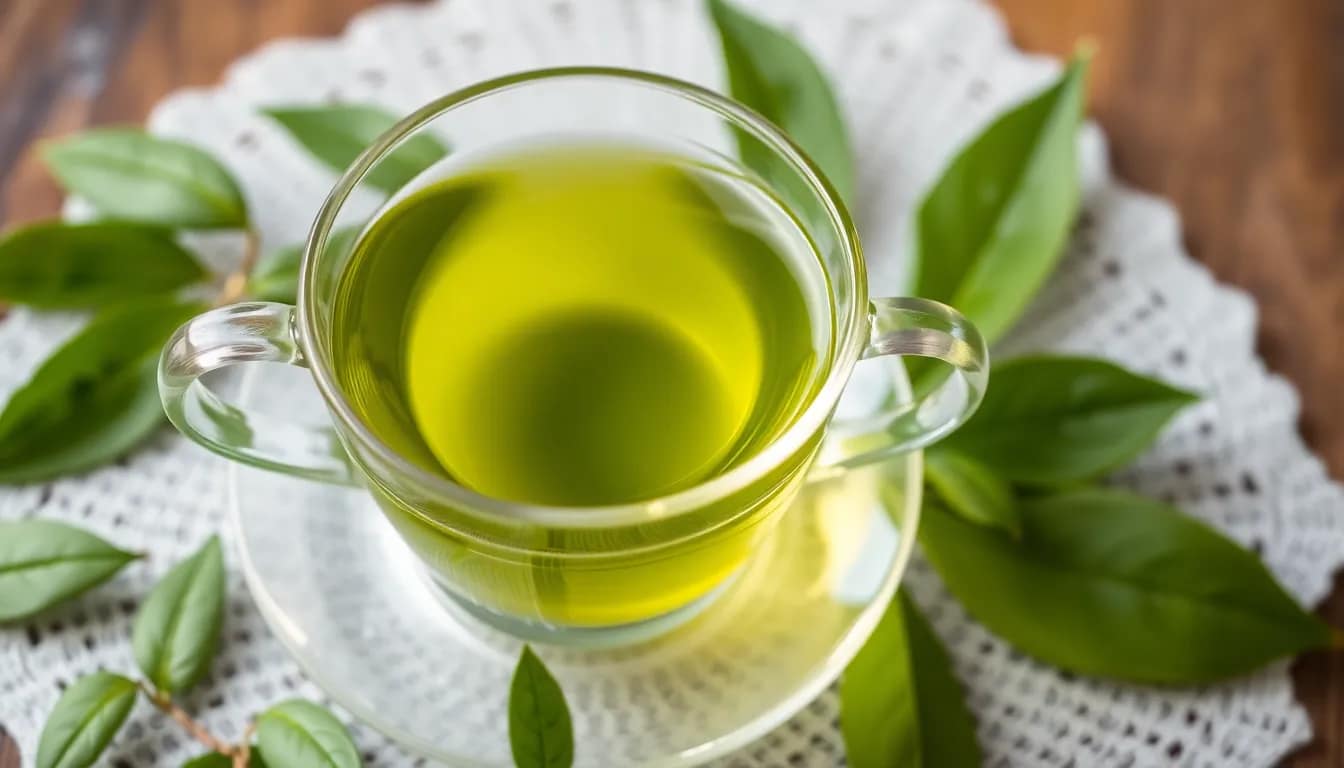
Choosing the Right Green Teas
Best Green Tea for Daily Drinking means choosing smooth, accessible options that stay tasty through regular brewing. Look for leaves that feel balanced, with gentle aroma and minimal bitterness. Start with dependable varieties like balanced Japanese or Chinese greens, then build a rotation that suits your taste and routine.
Daily drinkers often want flavor that is forgiving. These picks stay pleasant even with a quick 2–3 minute steep. The goal is consistency: a cup you enjoy every morning, not a one-off treat that tastes sharp or astringent. For more context on how leaf quality affects your cup, see our guide on white tea vs green tea.
Flavor is personal, but you can predict smoothness from a few clues. If a green tea tastes grassy to the point of heaviness, you may be brewing too hot or too long. If it feels faint and dull, you might need a fresher batch or a different variety. For starters, focus on single-origin greens labeled as mild, or blends designed for daily sipping. A few trusted options include Sencha-style greens, Dragon Well, and Kukicha, all of which pair well with everyday meals and moments of relaxation. For a quick overview of widely liked options, try a few from the list in our buying guide linked here: green tea packet buying guide.
Flavor Profiles: Compare smooth vs bitter teas
- Smooth: Light, vegetal, lightly sweet, and low tannin. These tend to finish clean, with a soft aftertaste.
- Bitter: Strong tannins, sharp mouthfeel, sometimes with a dry finish. Bitterness usually shows when the water is too hot or the leaves are over-brewed.
Real-world example: A college student switches from a bitter, over-brewed tea to a smooth Dragon Well for late-night study sessions. The change is noticeable—less lip astringency, more comfortable sipping without needing sugar. A quick stat worth noting: many new drinkers report 60–70% fewer bitterness complaints when they brew at around 80°C for 2–3 minutes.
Essential Brewing Steps: Water temperature (80°C) and steep times (2–3 min)
- Use fresh water and pre-warm your cup.
- Temperature matters: aim for 80°C. A thermometer helps, or bring water to a boil, then wait about 1–2 minutes before pouring.
- Steep time: 2–3 minutes is ideal for most green teas aimed at daily drinking.
- Speed matters: shorter brews prevent over-extraction that leads to bitterness.
- Quantity: about 1 level teaspoon per 240 ml cup. Adjust up or down by taste.
- After-steep: remove leaves promptly to avoid continued extraction.
Comparison table: tea variety | flavor | steep time | temperature
| Sencha | Light, grassy, fresh | 2–3 min | 80°C |
|---|---|---|---|
| Gunpowder | Slightly smoky, punchy | 2–3 min | 80°C |
| Kukicha | Creamy, mellow, low bitterness | 2–3 min | 80°C |
Tips for Newbies: Avoiding bitterness
- Start with milder greens labeled for daily use. If in doubt, pick whole-leaf infusions rather than dust or broken bits.
- Water quality matters. Soft water or filtered water makes a noticeable difference.
- Pre-warm your cup and decant briefly after steeping to stop extraction.
- If a cup tastes bitter, adjust by lowering the temperature or shortening the steep time. Cold brewing is an option too: 8–12 hours in the fridge yields a smooth, refreshing result.
- If you want a quick side-by-side comparison later, revisit our white-tea-vs-green-tea guide for context on how blending and processing affect taste
External references offer practical guidance on brewing and flavor:

FinalRecommendation for Best Green Tea for Daily Drinking
Choosing the Best Green Tea for Daily Drinking comes down to balance and consistency. Seek smooth, forgiving leaves that taste pleasant without astringency. A reliable rotation often includes Sencha, Dragon Well, and Kukicha, with gentle blends added for variety. This approach keeps daily cups enjoyable and easy to maintain.
Brewing matters as much as the leaf. Aim for water around 80°C and a 2–3 minute steep. Use about one level teaspoon per 240 ml and remove the leaves promptly to avoid bitterness. Small tweaks to time or temperature can make a big difference in mouthfeel and sweetness. If you want more flavor variety, you can occasionally slip in a light Oolong for a change of pace while staying in the same smooth comfort zone.
For a practical daily routine, couple your cup with a moment of pause and a moment of hydration. The right cup can sharpen focus, ease fatigue, and set a calm tone for the day.
The key takeaway is steady enjoyment. A simple, well-balanced lineup and mindful brewing turn daily tea into a reliable source of comfort and clarity. Your routine should feel easy, not ceremonial—so you can truly look forward to that daily cup.
FAQ for Best Green Tea for Daily Drinking
How does green tea fit into daily consumption?
Green tea works well every day because it combines gentle caffeine with antioxidants. It supports a balanced mood and focus without overwhelming the palate. When you choose the Best Green Tea for Daily Drinking, flavor wins are about smoothness and consistency more than intensity.
How do I brew green tea without bitterness?
Keep the water around 80°C and steep for 2–3 minutes. Use a light hand with leaves, about one teaspoon per 240 ml. Pre-warm your cup, then remove the leaves promptly. If it tastes bitter, drop the temperature a notch or shorten the time a little. A quick cold brew can yield a smooth alternative for hot day cravings.
Which are the best brands for daily green tea?
Look for brands that offer whole-leaf or gently processed greens and share origin details. Mild single-origin greens and balanced blends tend to work best for daily drinking.