Complex. Aromatic. Beautifully balanced.
Oolong Tea sits in a fascinating space between green tea and black tea. Partially oxidised during processing, oolong can offer layers of aroma and flavour that make every cup a little more interesting.
TeaArt Oolong Tea is made for drinkers who want something more distinctive than an everyday cup of tea—smooth, aromatic and satisfying without being overwhelmingly strong.
What Makes Oolong Tea Special?
The defining characteristic of oolong is its partial oxidation. Green tea is generally minimally oxidised, while black tea is more heavily oxidised. Oolong occupies the middle ground, creating a remarkably broad range of flavours and aromas.
Depending on how it is produced, oolong can be floral, fruity, roasted, creamy or pleasantly toasty.
Key Benefits of Oolong Tea:
- Boosts Metabolism and Aids Weight Loss: Oolong tea may enhance fat burning and increase metabolic rate, making it a popular choice for weight management.
- Supports Heart Health: Regular consumption may help reduce bad cholesterol (LDL) and improve blood circulation, contributing to better cardiovascular health.
- Improves Mental Alertness: With moderate caffeine content, oolong tea can enhance focus and cognitive performance without causing overstimulation.
- Balances Blood Sugar Levels: Some studies suggest oolong tea can help regulate blood sugar levels, making it beneficial for people with or at risk of type 2 diabetes.
- Promotes Healthy Skin: Antioxidants in oolong tea may reduce inflammation and improve conditions like eczema and acne.
- Supports Bone and Dental Health: Long-term oolong tea consumption has been linked to higher bone mineral density and stronger teeth due to its fluoride and mineral content.
Oolong tea offers a flavorful middle ground between green and black tea, with a rich profile of antioxidants and health-enhancing properties. It’s a great choice for those seeking both taste and wellness.
What Does Oolong Tea Taste Like?
Oolong can have a smooth, aromatic profile with floral, fruity, roasted or lightly toasted notes. Its flavour depends heavily on the particular tea and how it has been processed and brewed.
Why Choose Oolong Tea?
- Distinctive flavour between green and black tea
- Smooth and aromatic character
- Naturally contains caffeine
- Excellent for tea enthusiasts exploring different styles
- Can be enjoyed without milk
- Suitable for repeated brewing depending on the tea
How to Brew Oolong Tea
Use hot water and allow the leaves to steep for a few minutes. Start with a moderate steeping time and adjust according to your preferred strength.
Oolong is also a great tea to experiment with—changing the water temperature, quantity of leaves and steeping time can reveal different characteristics from the same tea.
Explore a More Interesting Cup
If you’ve already tried green and black tea and want something with more character, Oolong Tea is an excellent next step.
Discover TeaArt Oolong Tea and make your everyday tea ritual a little more interesting.
Frequently Asked Questions about Oolong Tea:
Can I drink oolong tea every day?
Yes, you can drink oolong tea daily in moderation, as it offers health benefits like improved metabolism and heart health.
Is oolong a black or green tea?
Oolong tea is neither black nor green tea—it’s a partially fermented tea that falls between the two in flavour and oxidation.
Why do Chinese people drink oolong tea?
Chinese people drink oolong tea for its rich flavour and traditional health benefits, including improved digestion, metabolism, and mental alertness.
Can I drink oolong tea on an empty stomach?
It’s best to avoid drinking oolong tea on an empty stomach, as it may cause acidity or stomach discomfort.
Is oolong tea grown in India?
Yes. Oolong tea is grown in India, primarily in regions like Darjeeling and the Nilgiris.
What is special about Oolong Tea?
Oolong is special because it is partially oxidised, placing it between green and black tea in terms of processing. This creates a wide variety of aromas and flavours.
What is in Oolong Tea?
Oolong tea is made from the leaves of the Camellia sinensis plant. It naturally contains compounds such as caffeine and tea polyphenols.
Is Oolong Tea healthier than Green Tea?
Neither can universally be called “healthier.” Green and oolong teas are processed differently and have different flavour profiles and chemical compositions. Both can be enjoyed as part of a balanced diet.
What plant is Oolong Tea made from?
Oolong tea is made from Camellia sinensis, the same plant used to produce green, white and black tea.
Why is Oolong Tea so expensive?
Oolong prices vary according to origin, leaf quality, harvesting, processing method, craftsmanship and rarity. Certain specialty oolongs require particularly careful production.
What is the unhealthiest tea?
There is no universally defined “unhealthiest tea.” The overall preparation and consumption pattern matter, including ingredients such as added sugar.
Is it okay to drink Oolong Tea daily?
For most healthy adults, oolong tea can be part of a normal daily diet. Since it contains caffeine, consider your total caffeine consumption if you drink several cups a day.
What is the most expensive tea in the world?
There is no single permanent answer because prices depend on authenticity, rarity, provenance and auction or market conditions. Some rare teas have sold for exceptionally high prices.
Does Oolong Tea burn belly fat?
Oolong tea should not be marketed as a fat-burning or weight-loss treatment. While tea and caffeine have been studied in relation to metabolism, drinking oolong tea alone should not be presented as a guaranteed way to lose belly fat.
When should I not drink Oolong Tea?
If caffeine makes it difficult for you to sleep, avoid drinking oolong close to bedtime. People with specific medical concerns should follow personalised advice from their healthcare professional.
Is Oolong stronger than Matcha?
“Stronger” can mean flavour or caffeine, and the answer varies. Matcha is consumed as powdered tea leaves, while oolong is typically brewed from whole or broken leaves, so their caffeine and flavour profiles aren’t directly comparable.
Why do Chinese people drink Oolong Tea?
Oolong has a long history and cultural importance in China and is traditionally enjoyed for its flavour, aroma and tea-drinking experience.
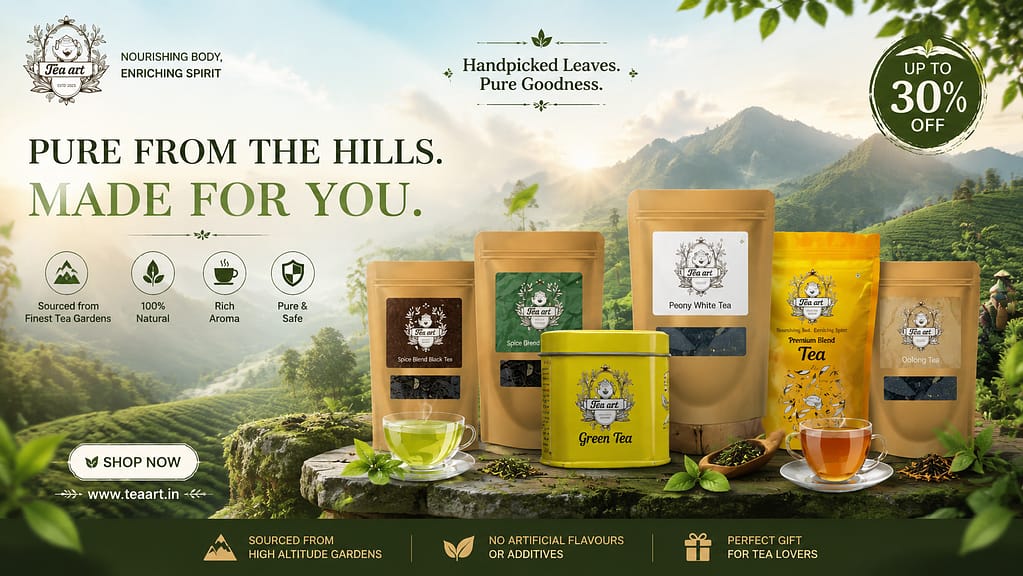
The 6 Signature Teas of TeaArt
Single-origin, high-elevation harvests from the mist-kissed Nilgiri hills.
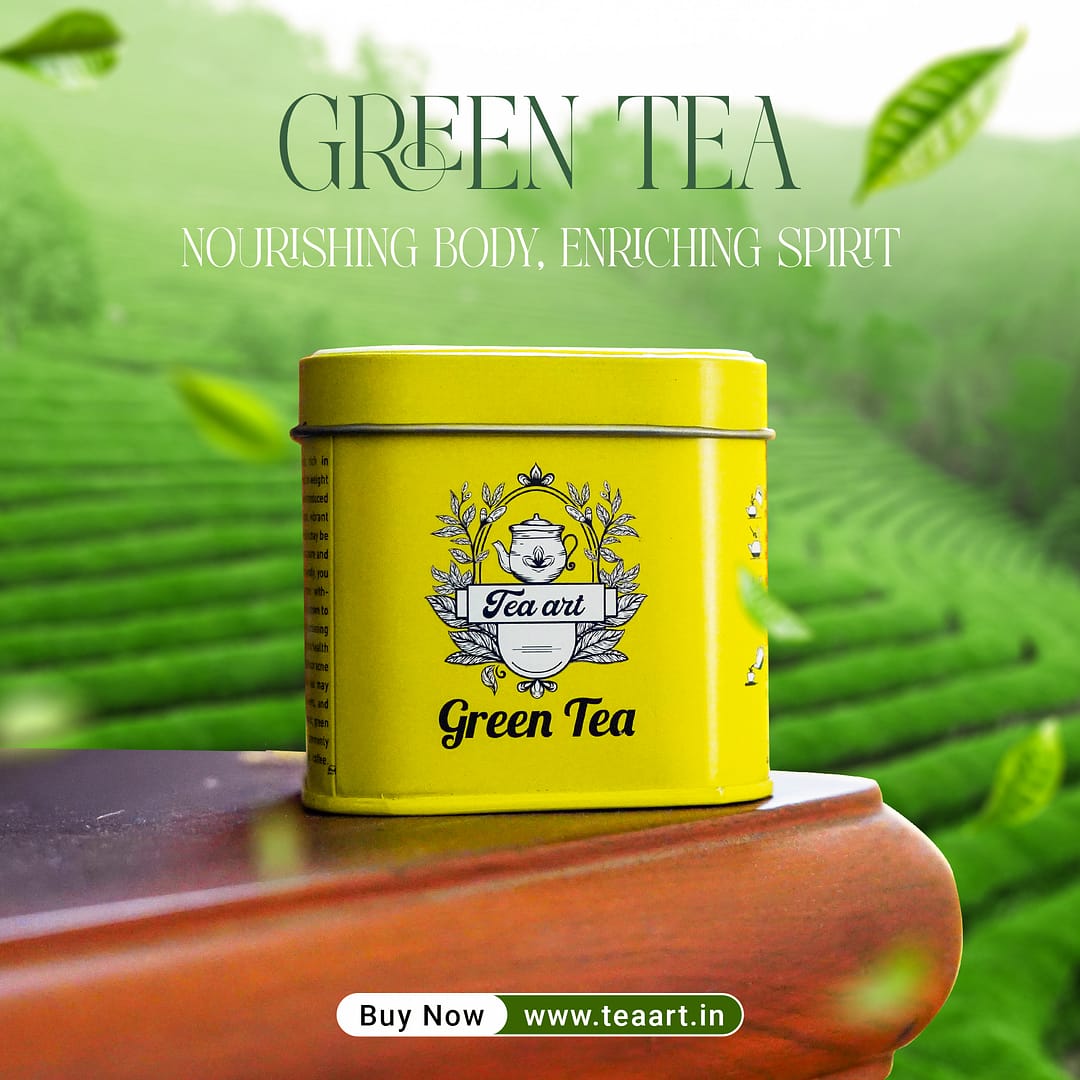
Revolutionary Green Tea Sachets
World-first single-serve sachet packaging designed to seal in pristine freshness, delivering a flawless brew wherever you travel.
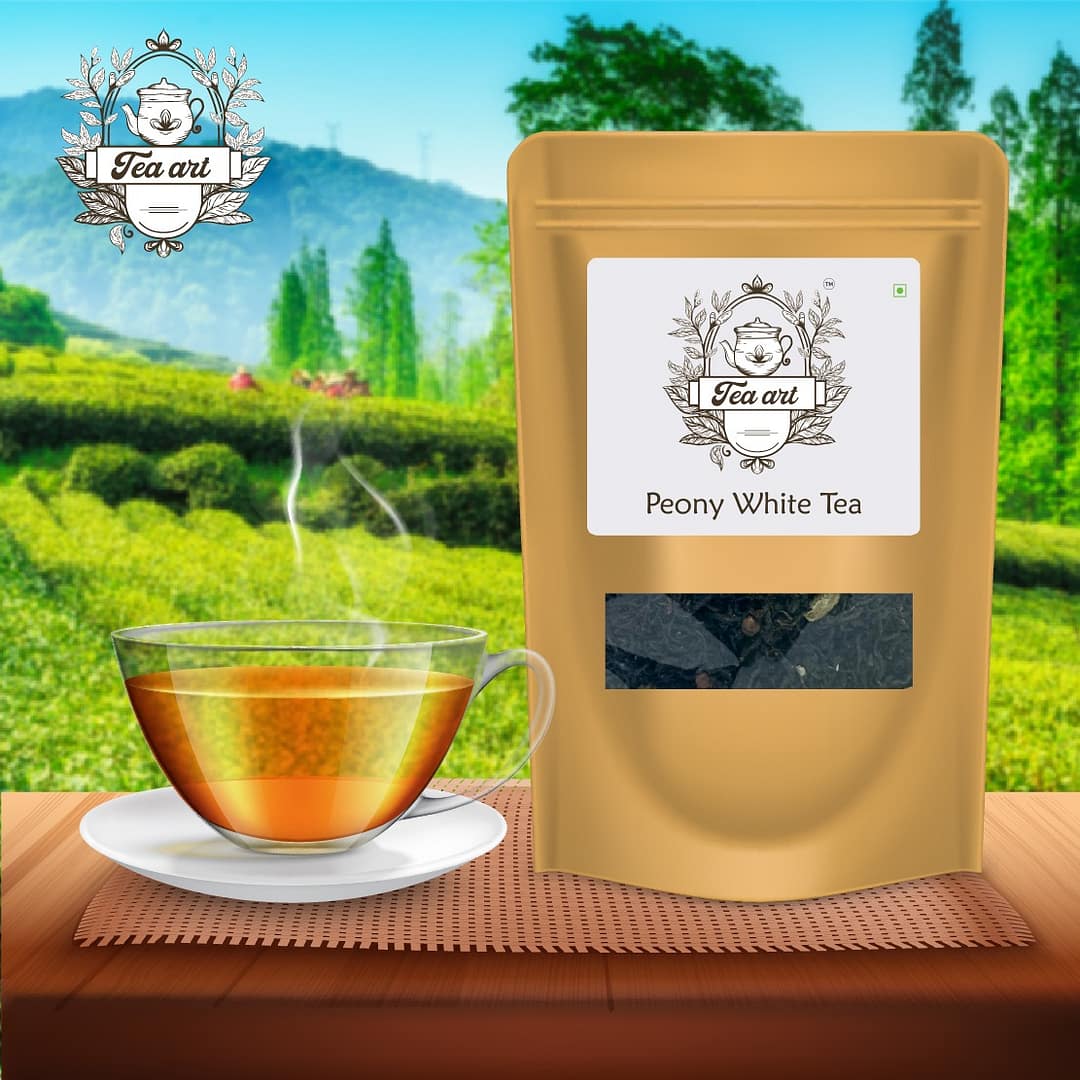
Peony White Tea
Hand-plucked tender spring buds and silver leaves. Minimally processed to retain supreme antioxidant purity and a soft floral sweetness.
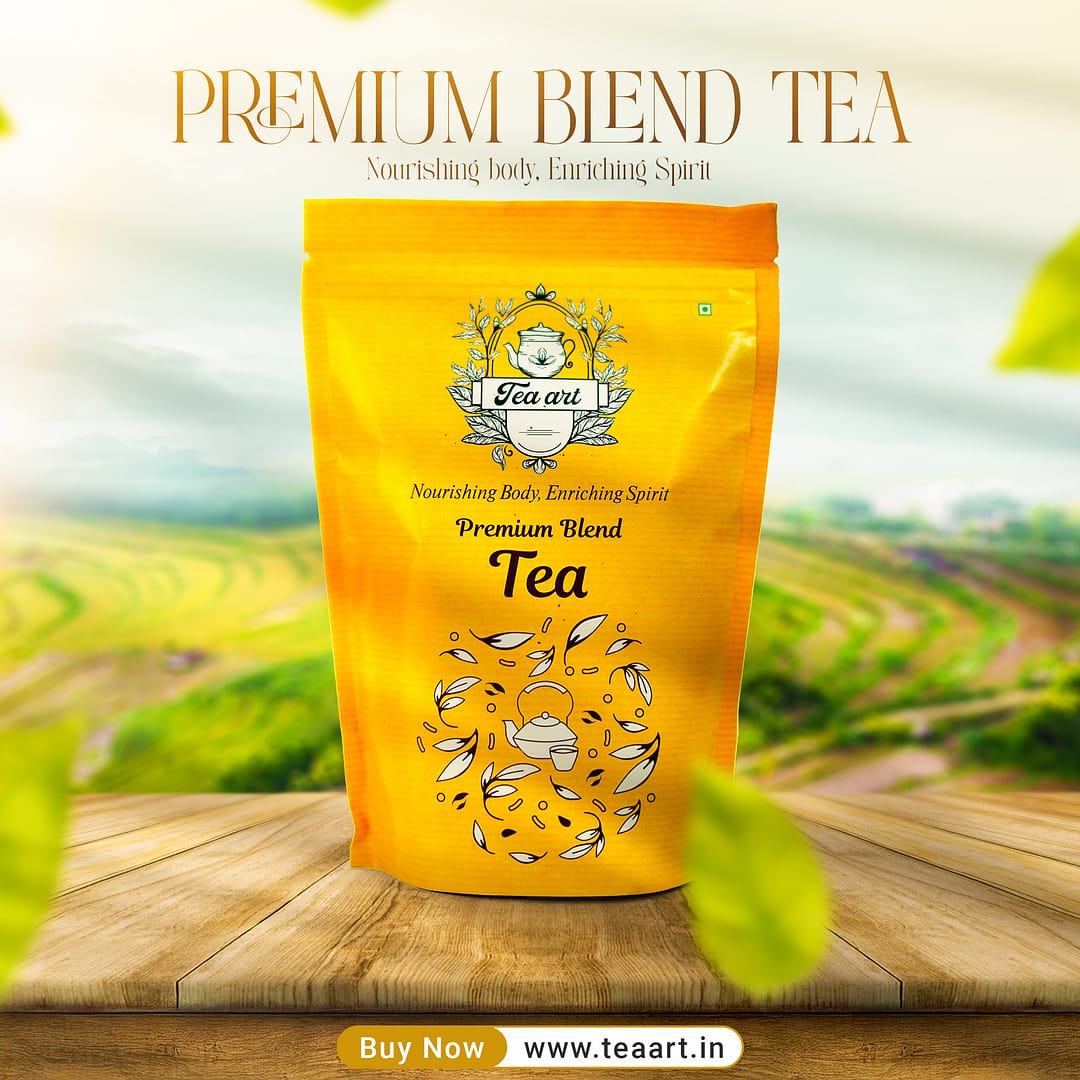
Premium Blend Tea
A rich, full-bodied aromatic daily cuppa expertly curated from high-elevation Nilgiri estates for deep maltiness and brisk clarity.
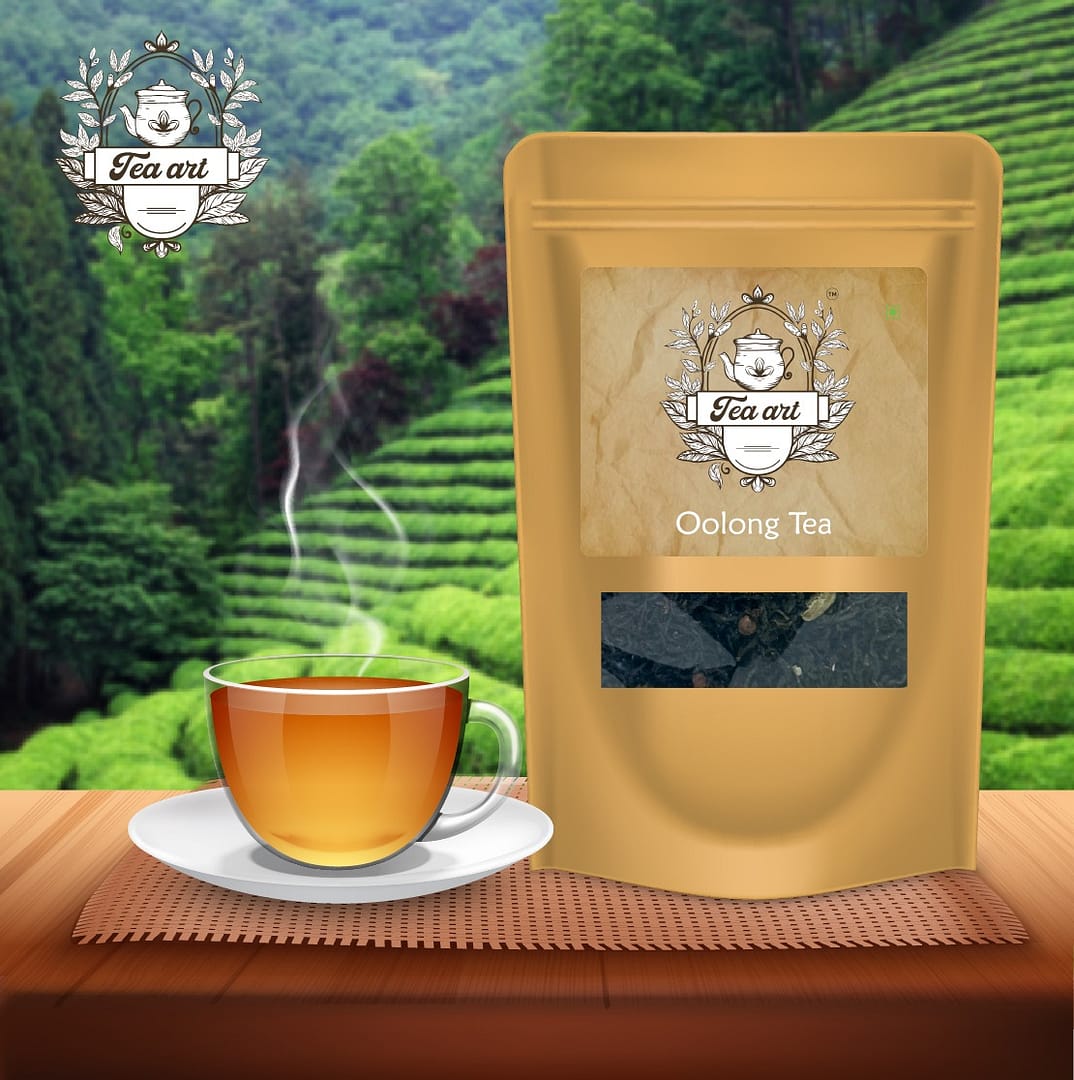
Artisanal Oolong Tea
The golden bridge between green and black tea, offering layered roasted notes, complex florals, and proven metabolic support.
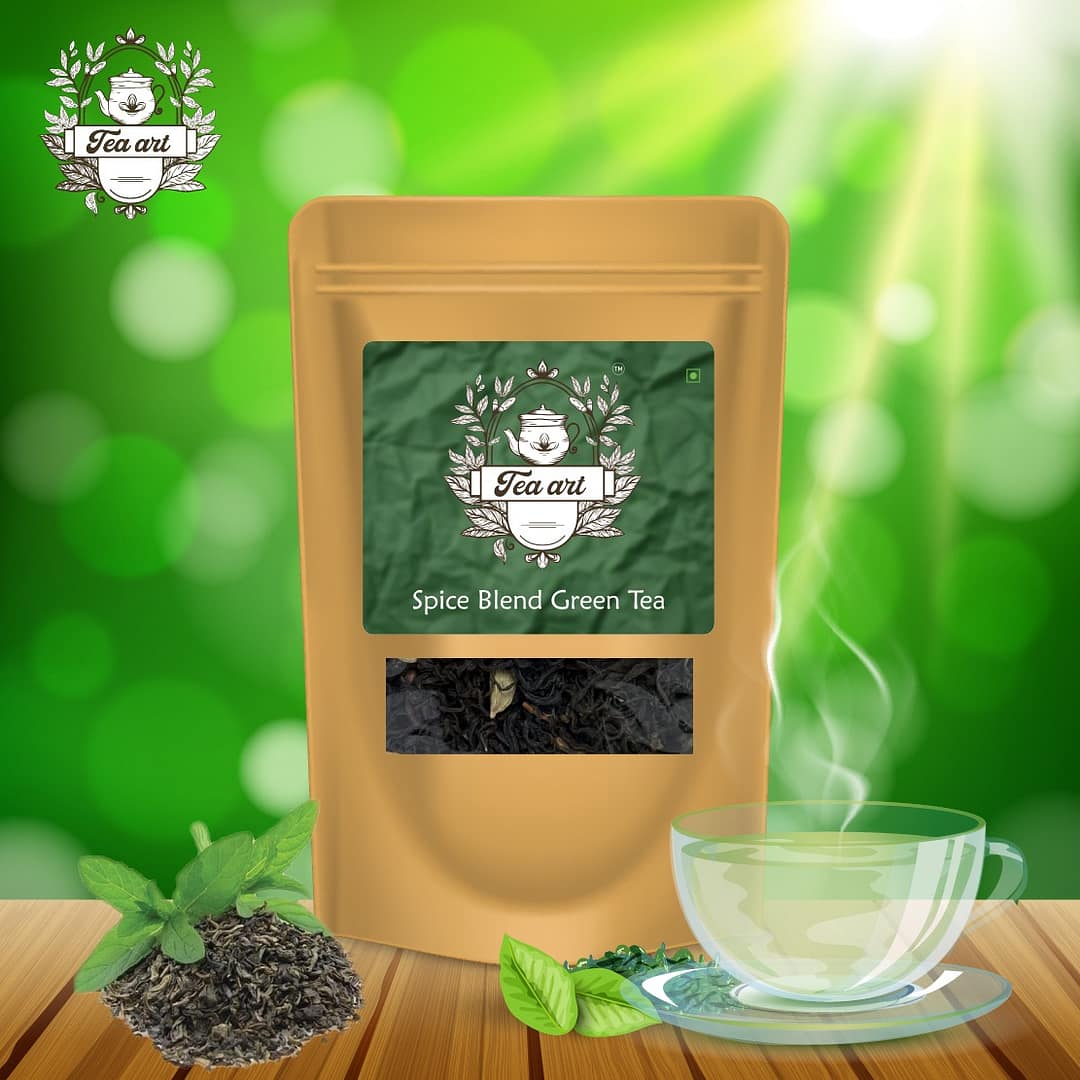
Spice Blend Green Tea
Whole leaf green tea married with aromatic cinnamon, fragrant cardamom, and cloves to support healthy digestion and natural immunity.
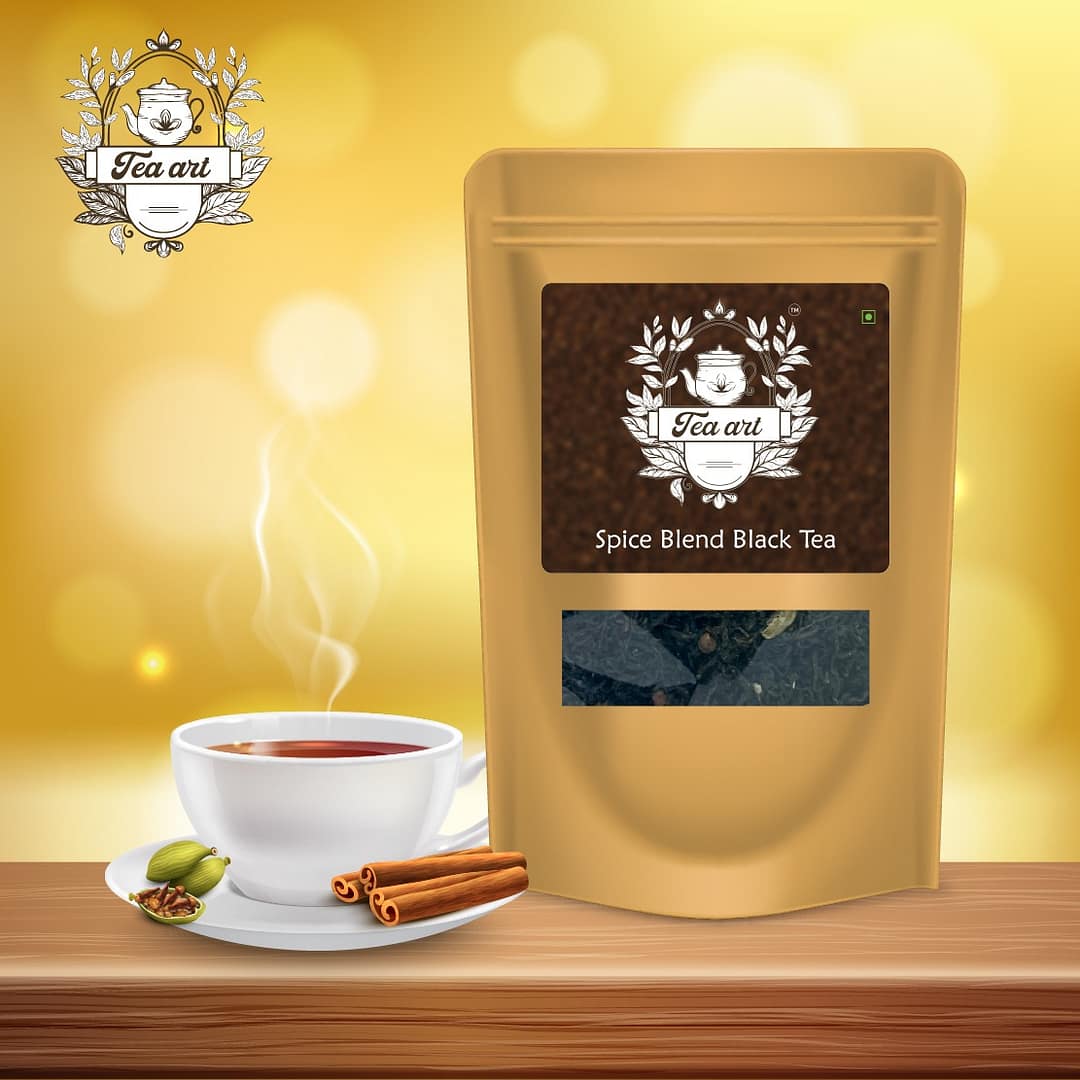
Spiced Full Leaf Black Tea
A warming, robust orthodox black tea infused with ginger, cardamom, and spice essences for a revitalizing, sustained energy kick.
Rohit –
Hits the sweet spot between green freshness and black tea boldness. Perfect digestive tea after heavy dinners.
Rohit –
High-grade rolled leaf that unfurls fully in the pot. It brews a soothing, complex cup with an ultra-smooth finish.
Sunil –
Stunning roast level. It carries that signature roasted warmth with smooth, floral top notes that evolve with every single steep.
Sunil –
The aroma alone is worth the purchase-warm, slightly honeyed, and toasty. One of the best oolongs I’ve tried in this price bracket.