
The price of white tea can often leave newcomers scratching their heads. Why does it seem to cost more than its green or black counterparts? In this post, we’ll unravel the mystery behind white tea prices and explore the factors that drive these differences, including what to expect when you’re ready to buy.
What is the white tea price range?
If you’re searching for a white tea price range, you’re likely trying to understand what you should expect to pay. Depending on the grade and origin, prices can vary significantly. You might find some options as low as $10 for lower grades, while premium selections can soar to $50 or more per 100 grams. It’s important to look for transparent pricing structures, but many retailers still lack that clarity. For a deeper look at average pricing, check out this external link. Plus, understanding these costs can help you make informed choices when selecting your next tea. To learn more about different tea types, visit our internal guide here.Why does white tea cost more than other teas?
Ever wondered why the white tea price is often steeper than that of other teas? The answer lies in the meticulous processes involved in its production. Factors such as hand-plucking the tender buds, limited seasonal yield, and the labor-intensive processing methods all contribute to its premium pricing. As you explore the market, consider the implications of these factors on your purchasing decisions. To gain more insight into the unique aspects of white tea and its processing, check out this comprehensive resource from The Chinese Tea Shop.Understanding white tea pricing
The white tea price you see on a storefront is rarely a random number. It reflects a chain of costs that start long before the leaf reaches your cup. From the moment a farmer walks the tea garden to the moment a retailer lists the product, every step adds value – and a price tag.
Sourcing white tea is especially expensive because the leaves are harvested at the earliest stage of growth, often as delicate buds or “tips‑only” plucks. Those buds represent only 5‑10 % of the annual harvest, so the supply is naturally limited. When you compare a $45 / 100 g Silver Needle from a reputable estate to a $12 / 100 g green tea, the difference isn’t just branding; it’s the result of labor‑intensive hand‑plucking, low yield, and meticulous processing. A concise definition of tea types and their typical pricing can be found at Art of Tea.
Factors affecting white tea prices
1. Hand‑plucking – Skilled workers pick only the unopened buds. This manual labor can cost $2‑$3 per kilogram of raw material, far more than machine‑harvested leaves.
2. Yield – A typical white‑tea garden yields 150 kg per hectare, compared with 1,200 kg for green tea. The 87 % yield gap forces growers to charge more to stay profitable.
3. Grading – Grades such as Silver Needle (Bai Hao Yin Zhen) and Bai Mudan (White Peony) are distinguished by the proportion of tips versus leaves. Higher grades command premium prices because tips contain more amino acids and antioxidants.
For a concrete scenario, imagine a tea shop owner who sources Silver Needle from Fujian at $30 / 100 g and Bai Mudan at $18 / 100 g. After packaging, shipping, and a modest markup, the final white tea price on the shelf may be $45 and $28 respectively. See how the cost structure works in practice on our Hello World guide.
Price per 100 grams
Consumers often ask how white tea stacks up against other teas on a per‑weight basis. A typical price range is:
| Grade | Origin | Price / 100 g |
|---|---|---|
| Silver Needle | China (Fujian) | $45‑$70 |
| Bai Mudan | China (Yunnan) | $25‑$35 |
| White Peony (mixed) | Kenya | $20‑$30 |
By contrast, quality green tea averages $15‑$25 / 100 g, while premium black tea sits around $20‑$40 / 100 g. The higher white tea price reflects the scarcity of tips and the extra steps of withering and drying in low‑temperature environments. For up‑to‑date benchmark pricing, consult the listings on Paper & Tea.
Health benefits and brewing methods
Investing in white tea isn’t just a luxury; it’s a health‑focused decision. Research shows that white tea contains up to 30 % more polyphenols than green tea, offering stronger antioxidant protection. Regular consumption has been linked to improved skin elasticity, reduced inflammation, and even modest cardiovascular benefits. Because the leaves are minimally processed, the natural compounds remain largely intact, making the higher white tea price a worthwhile trade‑off for wellness‑oriented drinkers.
Ideal brewing techniques
White tea thrives on gentle extraction. Here are three tried‑and‑true parameters:
| Parameter | Recommended Range |
|---|---|
| Water temperature | 70‑80 °C (158‑176 °F) |
| Leaf amount | 2 g per 200 ml |
| Steep time | 2‑3 minutes (first brew) |
| Subsequent brews | 30‑45 seconds each, up to 3‑4 infusions |
A real‑world example: brewing a 2‑gram portion of Silver Needle at 75 °C for 2 minutes yields a delicate, honey‑sweet cup with a light amber hue. Extending the steep to 4 minutes can turn the flavor bitter, illustrating why precise control matters. Detailed brewing guidance is validated by experts at The Chinese Tea Shop.
By understanding the cost drivers, price benchmarks, and health payoff, you can make an informed decision when the white tea price catches your eye. The next sections will dive deeper into storage tips and how to spot authentic, high‑grade white tea in the marketplace.
Final thoughts on white tea price
The white tea price you encounter in shops is rarely a random figure. It mirrors three core forces: rarity of the delicate tips, the labor needed to harvest and process, and the grade attached to each batch. For example, Silver Needle can sit around $45 per 100 g, while Bai Mudan often lands nearer $25 per 100 g. These numbers aren’t just about expense; they signal what went into the leaf before the brew.
Origin and handling also push the price higher. Smaller farms, cooler processing environments, and shorter harvest windows mean fewer kilograms reach the shelf, which pushes per‑gram costs up. If you’re weighing options, remember that a higher price often accompanies higher aroma, nuance, and antioxidants. To explore concrete options from a trusted retailer, you can browse Tea Art’s selections on our test page: https://teaart.in/test/. This isn’t a promo—it’s a practical way to compare what you’re paying for beyond a sticker price.
FAQ for white tea price
Why is white tea more expensive than green tea?
White tea commands a higher price primarily because of labor and yield. The buds are picked by hand, often at a tips‑only stage, which means far less material per harvest. The processing is gentler and more time‑consuming to preserve delicate flavors and compounds. All of this adds to the cost behind the white tea price. For a quick outside perspective, you can verify the factors discussed on The Chinese Tea Shop: https://thechineseteashop.com/collections/white-teas.What grades of white tea exist?
White tea grades are mostly about leaf‑to‑tip ratio and season. Common grades include Silver Needle (Bai Hao Yin Zhen), Bai Mudan (White Peony), and Shou Mei. Higher grades use more tips and fewer leaves, delivering brighter aroma and richer amino acids. For a benchmark view of grading and pricing, see Paper & Tea: https://www.paperandtea.com/collections/white-tea.How does origin affect price?
Origin shapes flavor, yield, and price. Fujian‑grown whites often command premium due to long tradition and precise processing, while other origins may offer more accessible pricing with different flavor profiles. When you want a familiar reference, checking a regional listing can help you gauge typical price ranges across origins, such as the examples on TeaSource: https://www.teasource.com/collections/shop-all-tea/white.How can I compare prices effectively?
Look beyond the sticker price. Compare price per 100 g, grading, origin, and the number of infusions you can reasonably expect. Check whether a retailer discloses production details, like harvest time and processing methods. A simple way is to line up a few options and note how much flavor you’re getting for the cost—often, the best value sits where quality and price align.How should I store white tea to protect its value?
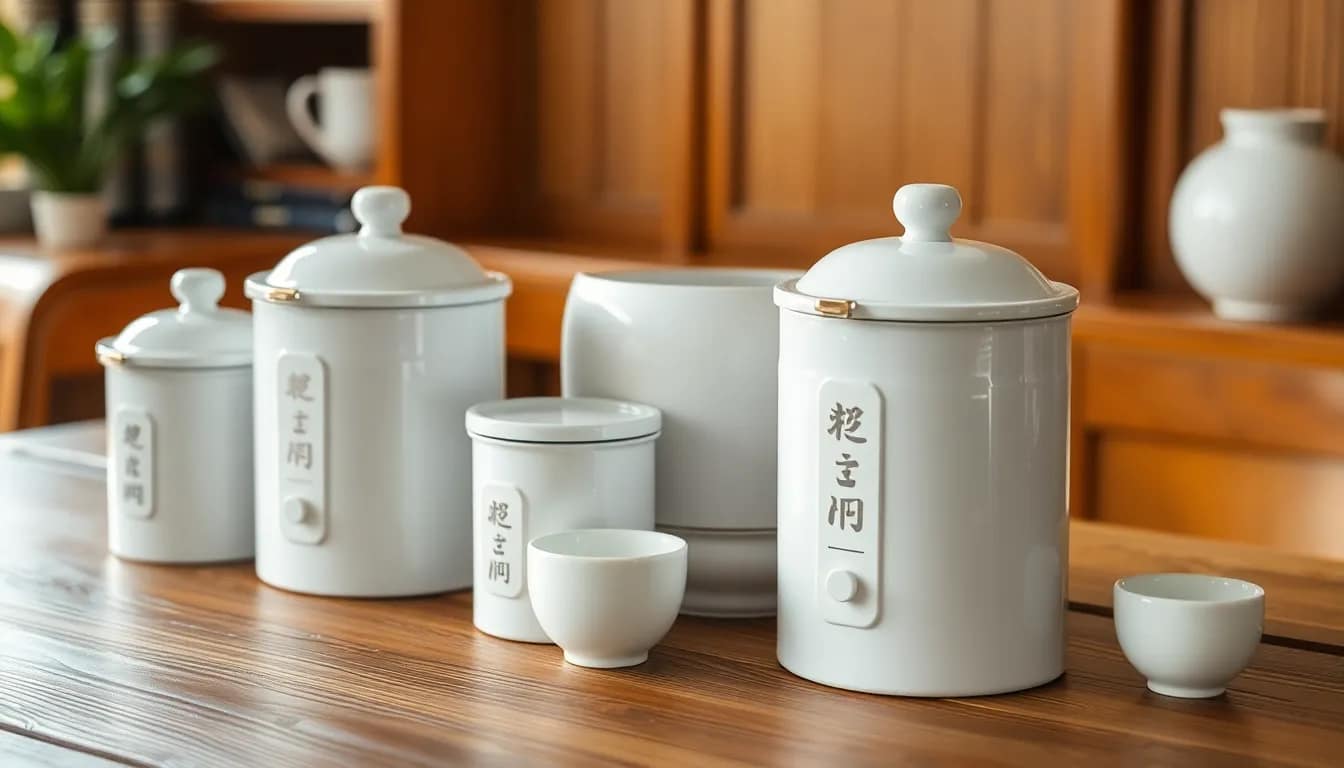
Store white tea in a cool, dark, airtight container to prevent aroma loss and moisture exposure. Proper storage preserves potency and keeps the price you paid from drifting downward in flavor. A well‑sealed tin or canister in a pantry away from light goes a long way toward maintaining the tea’s profile and value.Final takeaway: the white tea price makes sense when you consider the craft, scarcity, and care behind each batch.