Oolong tea vs green tea presents an intriguing comparison that highlights critical differences in oxidation, health benefits, flavor profiles, and brewing techniques. Understanding how these two popular tea types differ is essential for making informed choices about your next cup. Let’s delve into the distinctions that matter most.
Oolong Tea vs Green Tea: A Comprehensive Comparison
Oolong tea is partially oxidized, while green tea is not oxidized at all. This key difference plays a significant role in determining their flavor profiles, health effects, and ideal brewing methods. For instance, while green tea retains a fresh, grassy flavor, oolong offers a wide range of tastes, from floral to toasty, depending on its oxidation level.
But why does oxidation matter? Simply put, it affects the biochemical composition of the tea leaves. Oxidation alters the levels of catechins—powerful antioxidants—resulting in unique health benefits and flavors. In this guide, we’ll explore a detailed oxidation timeline that spans from 0% oxidation in green tea to 100% in black tea, illustrating how oolong tea fits in as a versatile middle ground.
We’ll also provide a comprehensive health and flavor matrix that connects oxidation percentage with key attributes like caffeine content and taste notes. This will help you choose the ideal tea for your health goals and personal preferences. Curious to learn more? Dive into the nuanced world of oolong and green tea and discover which option is right for you. Explore our premium offerings while you’re at it: Discover Tea Art’s Oolong Selection.
The Oxidation Process Explained
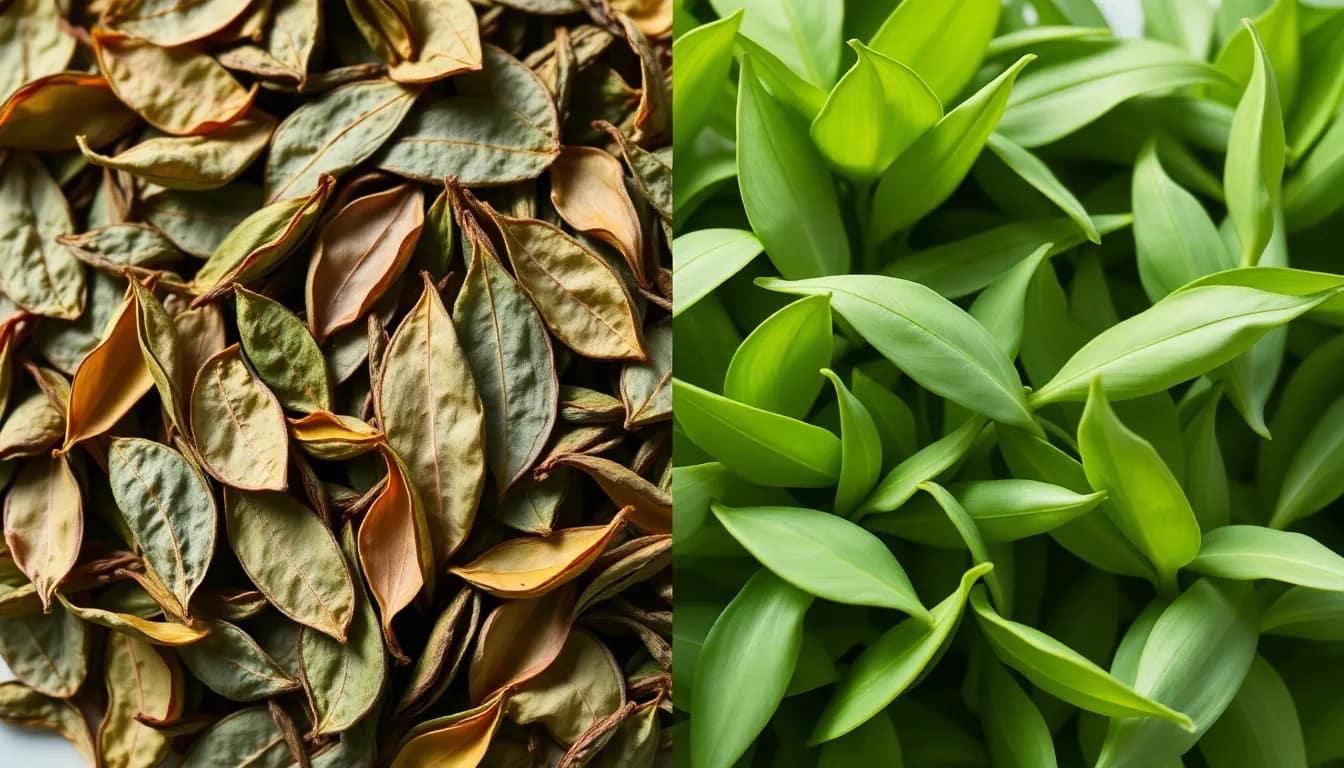
Understanding oolong tea vs green tea comes down to one lever: oxidation. In plain terms, oxidation is the enzymatic reaction leaves undergo when exposed to air, altering color, aroma, and taste. Green tea is barely oxidized, so you taste fresh, grassy notes and a high concentration of catechins. Oolong tea is partially oxidized, placing it between green and black on the spectrum and delivering a broader flavor range. This difference matters for health effects, caffeine behavior, and how you brew. In this section, we’ll anchor the discussion in tea‑plant biochemistry and show how oxidation shapes every cup. For context on sourcing and quality, Tea Art’s standards back up the science with real‑world practice.
Ex: imagine a quick glance at the oxidation map: green at 0%, oolong in the 30–70% band, and black at 100%. The shift isn’t just color; it’s a cascade of molecular changes that alters antioxidants, flavor precursors, and even caffeine release. If you’re chasing a specific profile—bright and fresh or deep and robust—this oxidation choice guides your entire tasting plan.
The Oxidation Timeline (0% to 100%)
Graphic (textual visualization)
0% oxidation → Green tea (fresh, grassy, delicate)
30–70% oxidation → Oolong tea (range from floral to toasted)
100% oxidation → Black tea (bold, roasted, caramel)
Biochemically, green tea preserves catechins like EGCG; as oxidation proceeds, catechins convert to theaflavins and thearubigins, shifting bitterness, body, and color. Oolong sits at the sweet spot where enough oxidation creates complexity without sacrificing brightness. This timeline helps explain why a single cultivar can yield multiple distinct cups.
Health and flavor hinge on that oxidation gradient. For a deeper look at how these changes play out in real brews, see how green vs black comparisons translate to caffeine, antioxidants, and taste.
Health and flavor context links
- Britannica’s oolong basics
- Republic of Tea overview of oolong
- Teatulia’s quick take on what oolong is
- The table maps oxidation to practical outcomes. For a deeper read on how these shifts connect to real brews, explore our Green vs Black post in Tea Art’s library (internal link). For broader health angles, see our oolong benefits guide.
- Green tea (0%) shines with shorter infusions: 1–2 minutes at 70–85°C. Rinse the leaves briefly to wake aroma, then pour.
- Oolong (30–70%) benefits from a two‑step approach: short initial steep 1–2 minutes at 85–90°C, then a longer pour for layering flavors.
- If you’re chasing bolder notes, push toward the higher end of the oolong range with 3–4 minutes at 90–95°C. For delicate greens, stay closer to 80°C and shorter times.
- Always preheat your teapot and consider a quick rinse of leaves to wake aromas. A good starting point is a 1:60 leaf‑to‑water ratio and adjusting by taste.
Health and flavor are not isolated: the oxidation level ties directly into how you’ll brew, sip, and store your tea.
Health and Flavor Matrix
| Oxidation % | Caffeine Level | Catechin Loss | Antioxidant Profile | Flavor Notes | Ideal Brewing Temperature |
|---|---|---|---|---|---|
| 30–70% (Oolong) | Medium–High | Moderate | Balanced antioxidants; theaflavins rising | Floral to orchard to nutty | 85–90°C |
| 100% (Black) | High | High | Thearubigins dominate; antioxidants still present | Bold, caramel, roasted | 90–100°C |
Notes:
Brewing Tips for Oolong and Green Tea
For more practical, benefit‑focused guidance on oolong, check out our detailed resource at https://teaart.in/oolong-tea-benefits/. To keep exploring the flavor map, you’ll also find credible cross‑references in Britannica and trusted tea guides linked above.
Final Verdict / Recommendation for Oolong Tea vs Green Tea
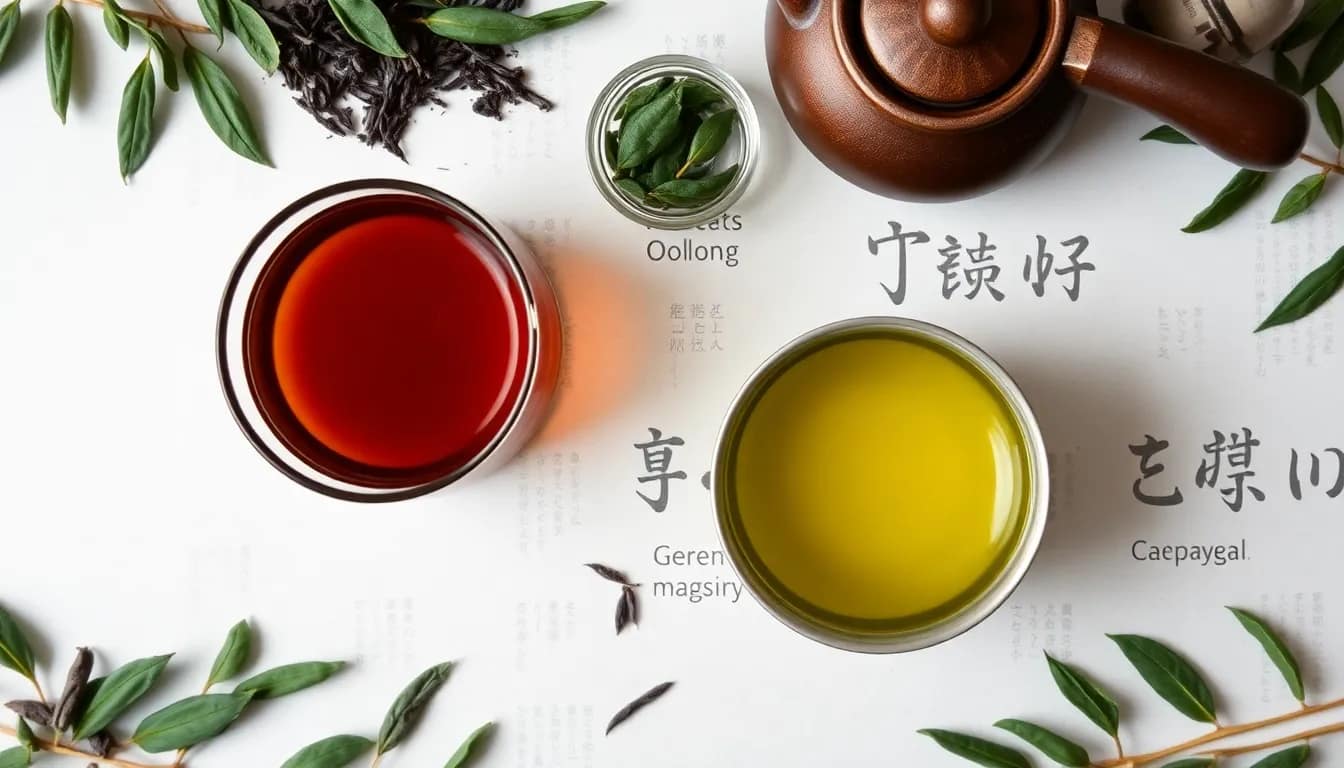
In the oolong tea vs green tea debate, neither side is simply better—each serves a different purpose. Green tea stays in the 0% oxidation zone, delivering bright, clean notes and a high concentration of catechins. Oolong sits in the middle, typically 30–70% oxidation, offering a spectrum from floral and fruity to toasted and caramelized. If you want a quick, refreshing cup, green tea is your best ally. If you crave depth, complexity, and the chance to explore multiple flavour avenues in one session, oolong fits the bill.
Think of your day as a guide to choosing. A busy morning calls for green tea’s brisk lift and light body. An afternoon or evening tea session can benefit from oolong’s evolving profile and longer finish. For context, consider a stat: many green teas provide around 20–45 mg of caffeine per 8 oz cup, while oolongs often hover in the 30–50 mg range. These ranges vary by leaf, roast, and brewing, but they illustrate how oxidation touches both energy and flavour.
Health-wise, both deliver antioxidants and modest caffeine effects, with oolong offering a broader range of aroma compounds due to partial oxidation. Flavor-wise, oolong invites a continuum—from fresh, garden‑like brightness to roasted, caramel‑savory depths. The best choice hinges on your palate, your meal, and how you want your tea experience to unfold. For readers exploring a practical path, start with a light green brew to reset your taste, then experiment with a mid‑oxidation oolong to taste the spectrum without abandoning familiarity.
If you’re ready to taste the perfect 45% oxidized tea moment, the Tea Art selection offers well‑curated oolongs that illustrate this middle ground. For deeper reading on the oxidation mechanism and how it translates to real brews, see trusted explanations from Britannica and dedicated tea guides. For a broader view of flavor and health implications, this quick reference set supports practical decisions in your daily tea routine: Britannica on oolong basics, Teatulia’s overview, and a comparative post like Wakacoffee’s guide on green, black, oolong, and matcha.
External resources you may find helpful:
- Britannica: oolong tea basics
- Teatulia: what is oolong tea.
Internal note: for a clear health‑to‑flavour bridge, also explore our oolong benefits page to see how oxidation shapes benefit claims in real brews.
In short: oolong tea vs green tea both deserve a place in a thoughtful tea routine. Your next cup should align with how you want to feel and what you want to taste today.
FAQ on Oolong Tea vs Green Tea
Which is better for weight loss?
Short answer: neither is a magic bullet, but both can fit a weight‑conscious plan. Green tea’s catechins and modest caffeine can support a gentle metabolic nudge, while oolong’s mid‑range oxidation keeps caffeine levels usable and flavour satisfying. The key is how you brew and what you pair with it—no single tea guarantees weight loss, but consistent, mindful sipping can support your goals over time.
How does the flavor differ between oolong and green tea?
Green tea tastes bright, grassy, and clean, with a light body. Oolong spans a spectrum—from floral and melon‑like to toasty and caramelized—because of its oxidation range. In other words, green feels like a fresh garden, and oolong can feel like a small tasting journey through a coffee‑table of flavors.
What is the best brewing method for oolong tea?
Aim for a two‑step approach. Start with 1–2 minutes at 85–90°C to wake the aroma. Then pour again or steep longer (3–4 minutes) for deeper notes, especially with higher oxidation. For green tea, keep it shorter—1–2 minutes at 70–85°C. Preheat the teapot and rinse leaves lightly to release aroma.
Do they differ in caffeine content?
Yes, but not dramatically. Green tea typically runs in the 20–45 mg per cup range, while oolong sits around 30–50 mg per 8 oz, depending on leaf size and brewing time. If caffeine sensitivity matters, shorter steeps and cooler temperatures help either tea.
Are there health benefits that differ?
Both provide antioxidants and a gentle caffeine lift. Oolong’s partial oxidation adds a broader range of polyphenols beyond catechins, while green tea preserves more EGCG. Real benefits depend on quality, processing, and how you brew—so choose based on taste preference and lifestyle.
Closing thought: oolong tea vs green tea offers two complementary paths. Choose the path that suits your routine, then explore the flavours each oxidation level can unlock.