Turkum isn’t a tea — it’s turmeric, a vibrant yellow spice known as Curcuma longa. But if you’ve come across “kurkum” in the context of drinks, you might wonder if it’s a tea or a turmeric infusion. Let’s clarify what kurkum really is, how it differs from tea, and how to prepare flavorful turmeric drinks.
What Does “Kurkum” Mean, and Is It a Tea?

How to Make a Simple Kurkum (Turmeric) Drink
Many people hear “kurkum” and think of turmeric powder, but it’s important to remember that turmeric is a spice, not a tea from Camellia sinensis. You can brew a warm, comforting drink using turmeric, but it’s different from traditional tea. Here’s a straightforward way to prepare a simple kurkum drink, perfect for a cozy moment or a quick warming pick-me-up.
Ingredients and Flavour
- Turmeric powder (about ½ teaspoon)
The core ingredient provides an earthy, peppery flavour with a subtle warmth. It’s the reason many enjoy turmeric in dishes or drinks.
- Hot water or milk (1 cup)
Use hot water for a light, pure turmeric infusion. Milk adds creaminess and makes the drink richer.
- Optional additions:
- Ginger (a small slice or ¼ teaspoon powdered) — adds a spicy zing.
- Black pepper (a pinch) — enhances flavour and may increase turmeric’s absorption.
- Sweetener (honey, maple syrup, or sugar) — for a touch of sweetness.
These optional ingredients are common in spice blends but don’t necessarily alter the basic earthy, peppery profile of turmeric. They can make the drink more complex or palatable, but the core remains turmeric’s distinctive flavour.
3-step Preparation
1. Combine ingredients:
Mix about ½ teaspoon of turmeric powder with a pinch of black pepper and, if desired, ginger and sweetener in your cup. Pour in 1 cup of hot water or warm milk.
2. Steep or gently simmer:
For water-based drinks, stir well and let it sit for 3–5 minutes. If using milk, gently heat until steaming (avoid boiling to prevent curdling). You can simmer on low heat for 2–3 minutes to meld the flavours.
3. Strain or serve:
Strain the mixture if you used fresh ginger or larger spices. Pour into a cup and enjoy immediately. The milk version should be heated gently for best texture and to prevent scorching.
This simple process yields a warm, earthy beverage with a hint of peppery spice. It’s quick to prepare and customizable based on your taste.
—
Turmeric Infusion vs Spiced Tea: What’s the Difference?
People often confuse turmeric infusions with traditional teas. An infusion made solely of turmeric isn’t the same as Camellia sinensis tea, which is derived from tea leaves. Most tea blends, like chai or green tea, contain true tea leaves and may include turmeric or spices, but they are distinct products.
Caffeine source:
- Turmeric infusion: no caffeine, just spice.
- Tea blends (e.g., Indian Masala Chai, Green Tea): contain caffeine from tea leaves unless specified as caffeine-free.
Note:
Tea Art offers no dedicated turmeric tea. None of the listed products contain turmeric unless explicitly stated on their labels. For example, our Indian Masala Chai contains a blend of spices but not turmeric.
Comparison Table
| Product | Verified Ingredients | Flavour | Caffeine Source | Brewing Instructions |
|---|---|---|---|---|
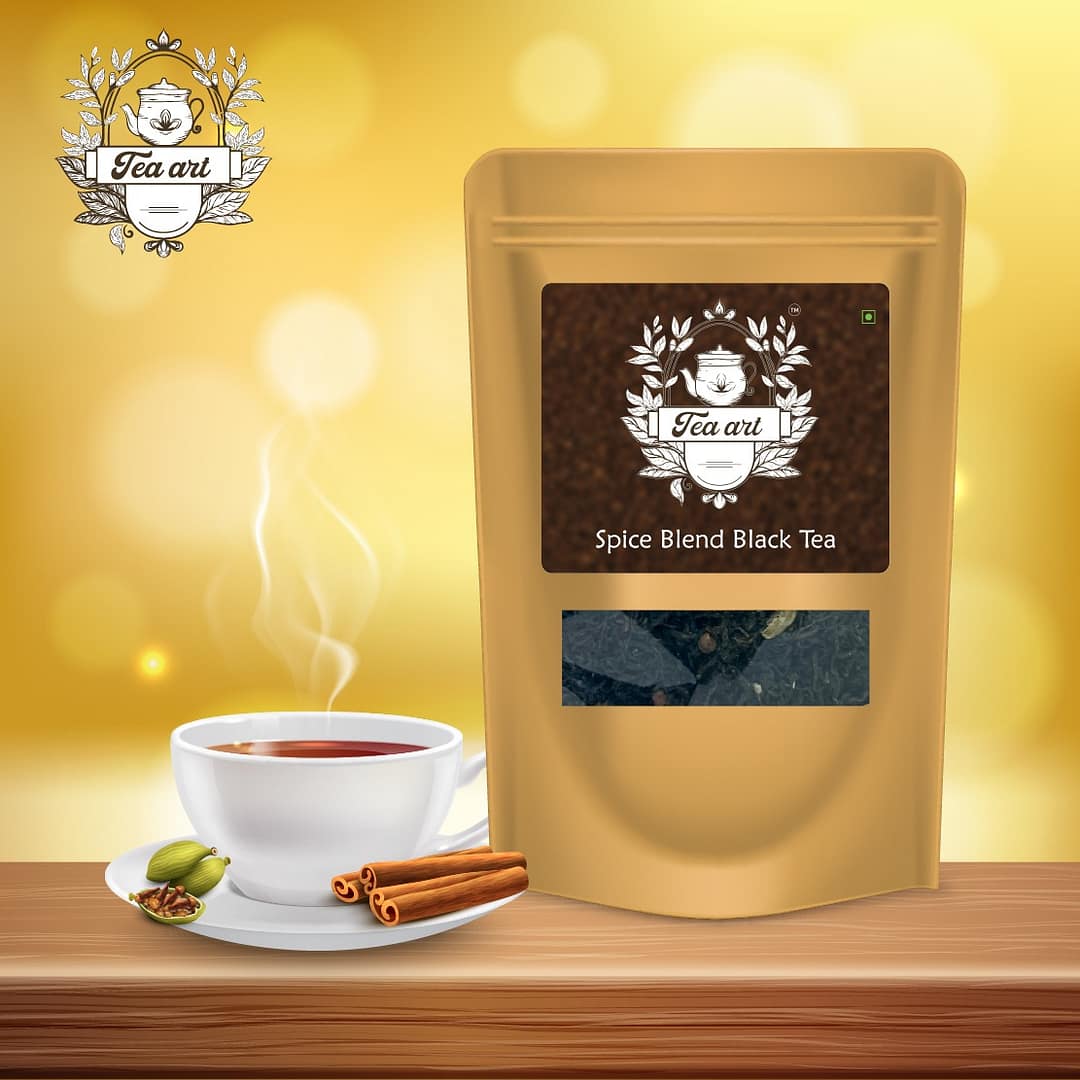
| Tea Art Indian Masala Chai | Black tea, cardamom, cinnamon, cloves | Spiced, aromatic, warming | True tea leaves (caffeine) | Steep 3–4 min in boiling water |
| Ginger Tea | Ginger, black tea, sometimes lemon | Spicy, bright, warming | True tea leaves (caffeine) | Steep 3–4 min in boiling water |
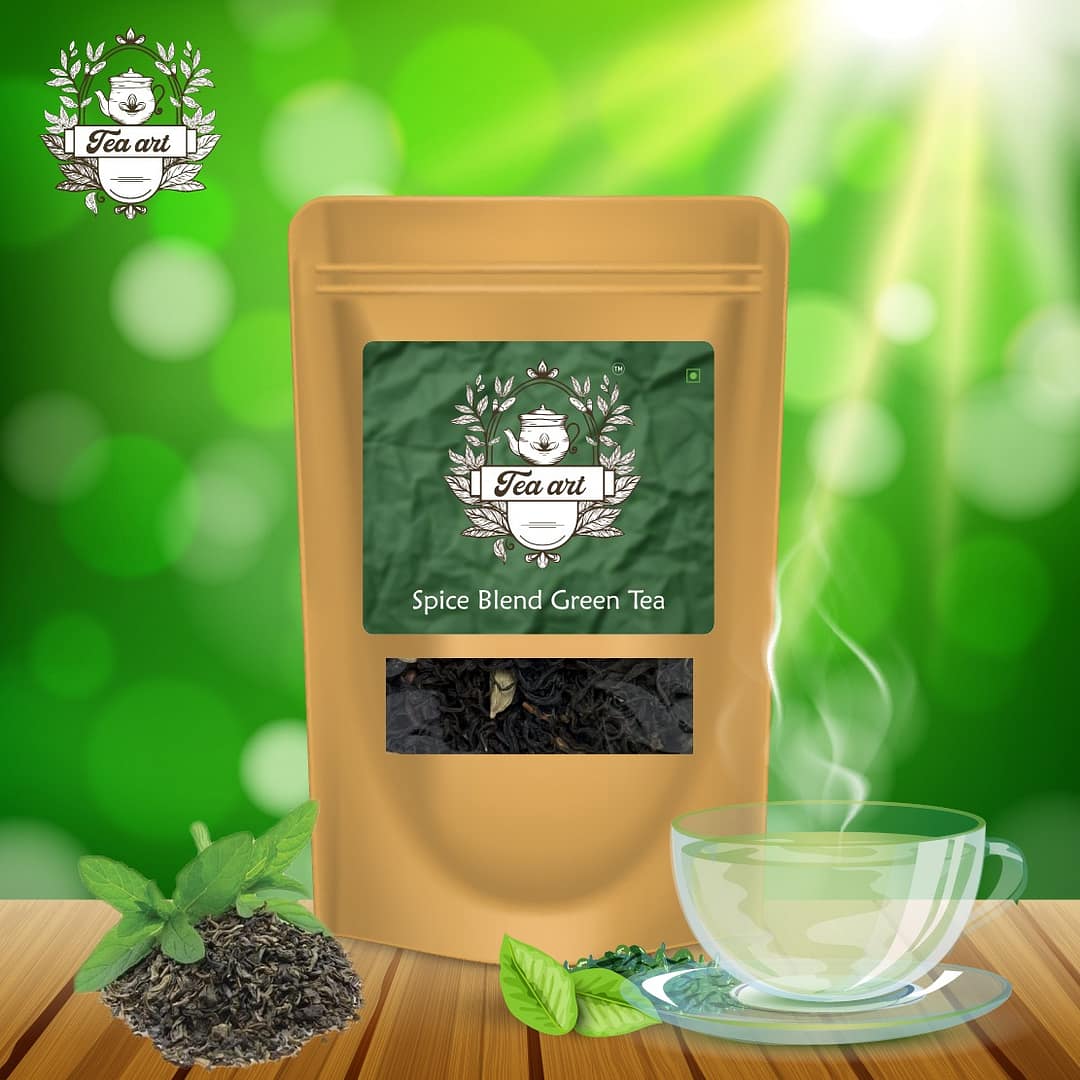
| Spice Blend Green Tea | Green tea leaves, spices | Fresh, vegetal, spicy | Green tea leaves (caffeine) | Steep 2–3 min in hot water |
Always verify labels before brewing, as ingredients can vary. Remember, if you want a true turmeric infusion, you’ll need to prepare it separately from these tea blends.
—
How to Choose a Warming Cup
Picking the right cup can enhance your turmeric or tea experience. Here’s a quick checklist:
- Check the full ingredient list:
For turmeric drinks, ensure it’s pure turmeric or blends with verified ingredients. Avoid products with unknown additives.
- Choose based on desired caffeine level:
If you want a caffeine-free option, explore herbal infusions like caffeine-free herbal teas.
- Follow brewing directions:
Precise times and temperatures matter. Over-brewing can lead to bitterness or a burnt taste, especially with green or black teas.
- Distinguish traditional use from evidence:
While turmeric has traditional uses, NCCIH emphasizes that its health effects need careful qualification. Do not rely solely on claims; check current research and product labels.
Tip: Use a sturdy mug that retains heat well, like ceramic or double-walled glass, for a cozy sip.
—
Summary
Making a simple kurkum drink is easy and adaptable. Whether you prefer water or milk, adding optional spices can bring depth to the earthy, peppery flavour. Remember, turmeric infusions are not the same as tea from Camellia sinensis — they are spice-based drinks. Always check product labels to verify ingredients, and enjoy your warming cup with confidence.

Which Cup Should You Choose?
Deciding between a turmeric-forward infusion or a traditional tea blend depends on your mood and preferences. For a true kurkum experience that highlights the earthy, peppery qualities of turmeric, craft a simple infusion using turmeric powder, hot water or milk, and optional spices like ginger or black pepper. This method emphasizes turmeric’s natural flavor without adding caffeine or other ingredients.
If you prefer a more complex, aromatic experience, look for tea blends such as Masala Chai or Green Tea that incorporate verified spices and tea leaves. These blends typically contain caffeine from Camellia sinensis and offer a balanced flavor profile, but they are not pure turmeric infusions. Always check labels to confirm ingredients, Tea Art’s offerings, for instance, do not include turmeric unless specified.
In short, for a turmeric-centric drink, go for a straightforward infusion. For a spice-laden tea experience, choose a blend with verified ingredients. Your selection should align with your taste and whether you seek caffeine or a caffeine-free moment.
—
Kurkum FAQs
Is kurkum the same as turmeric?
Yes, “kurkum” is the Hindi word for turmeric, which is a bright orange-yellow spice made from the root of Curcuma longa. However, in the context of teas or infusions, “kurkum” typically refers to turmeric powder or extracts, not a tea from Camellia sinensis.
Is turmeric tea a real tea?
Not quite. Turmeric tea is usually a herbal infusion or decoction made solely from turmeric root or powder. Unlike traditional teas from Camellia sinensis, it doesn’t contain tea leaves and is caffeine-free unless blended with other caffeinated herbs.
How do you make a turmeric drink at home?
It’s simple. Mix about ½ teaspoon of turmeric powder with hot water or milk. Add optional ingredients like a pinch of black pepper or ginger for extra flavor. Stir well, let it sit for a few minutes, then strain if needed. Heating milk gently rather than boiling preserves texture, and you can sweeten with honey or maple syrup for taste.
Does turmeric tea contain caffeine?
Pure turmeric infusions do not contain caffeine—they’re spice-based drinks. But if you buy a pre-made turmeric tea blend from a brand that includes tea leaves, it might contain caffeine. Always check the label to confirm whether caffeine is present, especially if you want a caffeine-free option.
Can I add turmeric to my regular tea?
Absolutely. You can stir turmeric powder into your black, green, or herbal teas for added warmth and flavor. Just be mindful that this creates a spice-enhanced beverage rather than a true turmeric infusion. Verify ingredients if buying blends, and enjoy experimenting with your favorite flavors.
What’s the best way to enjoy turmeric in my tea routine?
The key is balance. If you love the earthy, peppery note of kurkum, prepare a simple infusion or add turmeric powder to your herbal teas. For more layered flavors, choose blends with verified ingredients, but always read labels carefully. Whichever way you go, the goal is a warm, satisfying sip that complements your moment of relaxation.
—
In the end, selecting your kurkum drink hinges on clarity of ingredients and your personal taste. Whether you prefer a pure, caffeine-free turmeric infusion or a spiced tea blend, understanding the difference helps you make an informed choice—your perfect cup is waiting.