
Green tea varieties are an adventure waiting to unfold. With each type offering distinct flavors, aromas, and health benefits, it can be overwhelming for both beginners and seasoned enthusiasts alike. Let’s break down the world of green tea into easy-to-understand segments, ensuring you find your perfect brew.
Discovering Green Tea Varieties: What You Need to Know
Green tea comes in numerous varieties distinguished by origin and processing methods. Each offers unique flavors and health benefits that cater to a range of preferences. From the subtle sweetness of Japanese sencha to the earthy notes of Chinese longjing, understanding these distinctions can elevate your tea experience.
In this guide, we’ll explore key green tea varieties, grouping them by region and processing levels. You’ll find a handy flavor-quality matrix that highlights each tea’s characteristics, including taste notes and ideal brewing instructions. Plus, we’ll share tips on spotting premium leaves and finding the perfect blend for your palate.
Ready to dive into this flavorful world? Let’s get started.
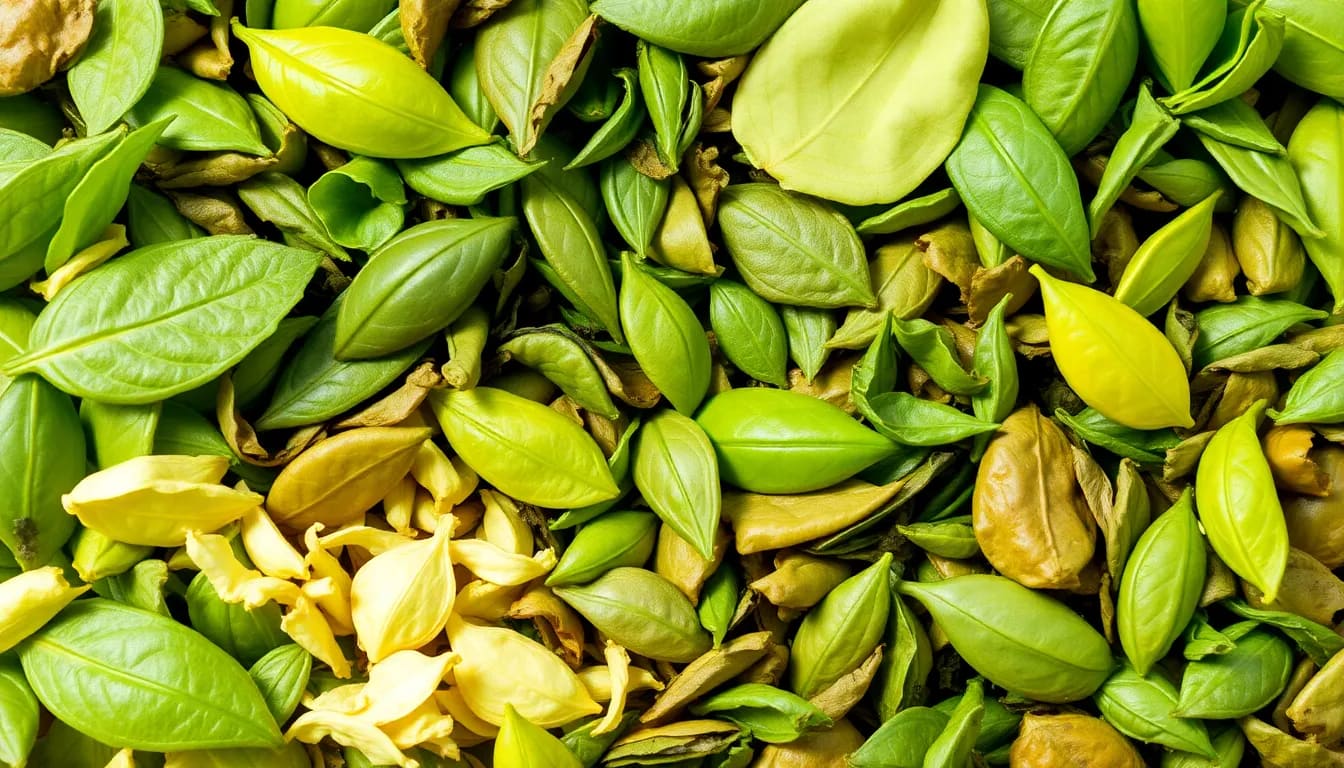
Comprehensive Guide to Green Tea Varieties
Green tea varieties span three major regions and three processing styles. Knowing the origin and method helps you pick a tea that matches your taste and health goals.
In this guide we group the most popular varieties, show how they differ in flavor and caffeine, and give quick tips for spotting premium leaf.
Chinese Green Teas
Longjing (Dragon Well) – Pan‑fired leaves give a buttery, nutty taste with a hint of chestnut. Caffeine sits around 30 mg per cup. Brew at 75 °C for 2 minutes. Look for flat, jade‑green leaves that sparkle in the pot.
Biluochun – Rolled into tight spirals, this tea offers a floral aroma and a sweet, lingering finish. Caffeine is slightly lower, about 25 mg. Ideal brew temperature is 80 °C for 1½ minutes. Premium leaves are tight, bright green and release a fresh fragrance when rubbed.
Gunpowder – Leaves are rolled into small pellets that unfurl during steeping, delivering a robust, slightly smoky flavor. Caffeine ranges 35‑40 mg. Use 85 °C water for 2 minutes. High‑grade gunpowder shows uniform, dark‑green pellets with a glossy surface.
Japanese Green Teas
Sencha – Steamed leaves create a grassy, slightly sweet profile. Caffeine averages 28 mg. Brew at 70 °C for 1 minute. Premium sencha leaves are thin, emerald‑bright and emit a fresh, sea‑weed scent.
Matcha – Whole leaves ground into a fine powder, delivering a rich, umami mouthfeel. Caffeine is higher, about 70 mg per serving. Use water at 80 °C and whisk for a smooth froth. Look for vivid, jade‑green powder that clings together when pressed.
Genmaicha – A blend of sencha and toasted rice, offering a nutty, comforting taste. Caffeine sits near 20 mg. Brew at 75 °C for 1½ minutes. Premium blends have a balanced ratio of leaf to rice and a pleasant toasted aroma.
Indian Green Teas
Darjeeling Green – Grown at high altitude, this tea gives a light, floral character with a crisp finish. Caffeine is about 22 mg. Brew at 78 °C for 2 minutes. Look for long, slender leaves with a silvery edge that release a subtle perfume.
Nilgiri Green – Harvested in the southern hills, it offers a bright, slightly herbaceous flavor. Caffeine around 30 mg. Ideal brew temperature is 80 °C for 2 minutes. Premium Nilgiri leaves are deep green, slightly rolled, and have a fresh, pine‑like scent.
—
Flavor‑Quality Matrix
| Variety | Flavor | Quality Tier | Caffeine (mg) | Brew Temp (°C) |
|---|---|---|---|---|
| Longjing | buttery, nutty | Premium | 30 | 75 |
| Biluochun | floral, sweet | Premium | 25 | 80 |
| Gunpowder | smoky, robust | Standard | 38 | 85 |
| Sencha | grassy, sweet | Premium | 28 | 70 |
| Matcha | umami, rich | Premium | 70 | 80 |
| Genmaicha | nutty, comforting | Standard | 20 | 75 |
| Darjeeling Green | light, floral | Premium | 22 | 78 |
| Nilgiri Green | herbaceous, bright | Standard | 30 | 80 |
Premium badge links to Tea Art’s curated bundles – see the premium collection.
Quality Cues for Premium Green Tea
- Leaf shape – flat, whole leaves or tight spirals indicate careful hand‑picking.
- Color – vibrant jade or bright emerald signals fresh processing.
- Aroma – a clean, vegetal or floral scent shows minimal oxidation.
- Harvest season – first‑flush (spring) harvestes carry higher amino acids and a sweeter taste.
- Average caffeine in green tea ranges 20‑40 mg per 8 oz cup; matcha tops the range.
- Over 70 % of Indian tea drinkers prefer loose‑leaf over tea bags (source: industry survey 2023).
- Proper water temperature can boost flavor extraction by up to 15 % compared with boiling water.
- Complete guide to green tea – Born Tea
- Best green tea varieties for everyday drinking – Paper & Tea
- Green tea overview – Wikipedia
When you spot these signs, you’re likely holding a high‑grade tea that will deliver the full flavor spectrum. For a ready‑made selection, explore Tea Art’s curated green tea bundles.
—
Quick facts
Further reading
With this map of green tea varieties, you can choose confidently, brew correctly, and enjoy the best leaf each region offers.
Final Verdict on Green Tea Varieties
Green tea varieties offer a practical framework for choosing and enjoying tea with confidence. By organizing green tea varieties by origin and processing, you can anticipate flavor, caffeine, and brew needs at a glance. The Flavor Quality Matrix from earlier sections remains a reliable reference, turning complexity into clear choices. The core idea is simple: origin plus method shapes the experience, and premium cues lift quality across every region.
Across Chinese, Japanese and Indian green tea varieties, a premium cup comes from leaf that looks whole, smells fresh, and has a coherent aroma with balanced caffeine. A mindful approach to harvest season and leaf handling helps you spot top picks. For deeper context, see Britannica’s overview of green tea, NCCIH notes on safety and benefits, and Healthline’s guide to caffeine content. If you’re assembling a personal set, Tea Art’s curated green tea bundles offer thoughtful starting points: explore Tea Art’s green tea hub to pick your first premium match. Internal link: https://teaart.in/hello-world/
External perspectives can deepen the mapping of green tea varieties. Britannica explains the broad landscape of green teas, while NCCIH highlights safe use and potential benefits. Healthline covers caffeine nuances and practical brewing ideas. These sources complement the hands on guidance offered here and help you navigate beyond taste notes toward quality cues and seasonality.
FAQ on Green Tea Varieties
What is the difference between Chinese and Japanese green teas?
Chinese greens typically rely on pan firing, which adds toasty, nutty notes and a fuller body. Japanese greens are usually steamed, preserving a greener color and a fresher, grassier flavor. Caffeine ranges can overlap, but the processing style often shapes the overall profile more than the exact leaf source. Look for leaf shapes and aromas that match the region’s hallmark styles.
Is matcha higher in caffeine than sencha?
Generally yes. When you drink matcha you consume the whole leaf in powder form, which concentrates caffeine. Expect roughly 60–70 mg per serving for matcha, versus about 20–40 mg for a cup of sencha. Real values vary with leaf quality and preparation.
How do I identify high quality green tea?
Trust your senses. High quality green tea shows whole, unbroken leaves, even color, and a clean, liftable aroma. Harvest notes such as first flush help. Packaging should be tight and moisture free, with origin and harvest details. Freshness matters more than price, so choose well stored tins or pouches.
Can green tea vary in caffeine within the same variety?
Yes, it can. Leaf age, harvest timing, and processing methods all shift caffeine levels. Brewing temperature and time also modulate perceived strength. Expect some range, not a fixed value, across batches.
How should I store green tea to keep freshness?
Store in an airtight container, away from light, heat, and moisture. A cool, dry shelf is ideal. Avoid clear jars for long term storage and seal the bag after each use to preserve aroma and flavor.
Closing thought: the map of green tea varieties you’ve built is a living guide. With mindful selection and careful brewing, each cup reveals more of the leaf’s character, turning curiosity into confidence with every sip.