
Green tea as a detox is more than just a buzzword—it’s a blend of tradition and science that captivates wellness enthusiasts. With a wealth of antioxidants, green tea offers potential benefits for detoxifying your body, but its true capabilities can often be misunderstood. Let’s unravel the facts and fiction together.
What is Green Tea as a Detox?
Green tea is a powerful antioxidant beverage that aids the body’s natural detox process by neutralizing harmful toxins. Its reputation as a detox elixir has captivated many, yet there’s more to this brew than meets the eye. While it may help support various organ functions, such as the liver and kidneys, understanding the real biochemical impact of green tea detoxification is crucial before you fill your cup.
Scientific research illustrates how green tea interacts with environmental toxins—everything from pesticides to heavy metals. But many sources out there blur the lines between evidence-based benefits and exaggerated claims. By sifting through the myths and focusing on research-backed information, we’ll shed light on what green tea can realistically do for your body.
You’ll also learn about the limitations and potential downsides of green tea consumption, such as its caffeine content and possible interactions with nutrients. Ready to explore how to optimize your wellness routine with green tea? Let’s get started!

The Science of Green Tea Detoxification
Green tea boosts the body’s cleanup systems through powerful polyphenols. This is the core reason many people think of green tea as a detox. The star players are catechins like EGCG, which scavenge harmful molecules and help cells brace for stress. A quick primer on antioxidants lives in our guide to green tea for antioxidants. For a broader view, look at research showing how polyphenols may protect DNA, proteins, and cells from environmental hits. Some studies find modest improvements in oxidative-stress markers after several weeks of regular intake. Learn more in our linked guide and external reviews.
Beyond that direct scavenging, these compounds help the liver and kidneys move toxins toward elimination. They can influence detox signaling networks and boost enzymes that prepare toxins for excretion. In plain terms, green tea supports the body’s natural cleanup pathways without claiming to cure exposure. A 2016 review notes that polyphenol-containing green tea may counteract environmental toxins by reducing damage to DNA, proteins, and cells. See the NIH-backed discussion for details. External sources provide a balanced view of how these effects translate to real life and to different toxins. NIH PMC review Healthline detox overview MedicineNet detox piece
Understanding Antioxidants and Detox Pathways
Antioxidants neutralize free radicals, the unstable molecules that rise with pollution and smoke. Green tea catechins can activate cellular defense switches, increasing enzymes that mop up toxins. They also support phase II detoxification, which makes waste easier to remove via bile or urine. Put simply, daily green tea helps keep detox signaling steady alongside a balanced diet. Real-world notes: benefits tend to show up gradually, not as a quick fix, and depend on overall lifestyle.
If you want a deeper look at the biology, the NIH-backed review above gives the pathway names and the types of enzymes involved. It’s a good match for readers who want the science without the hype. For a practical takeaway, pair this knowledge with sound hydration and a fiber-rich diet to support circulation and elimination.
Common Environmental Toxins Addressed by Green Tea
Pesticide residues: In lab settings, green tea polyphenols can reduce DNA damage from certain pesticides, hinting at cellular protection. This aligns with the idea that antioxidants may lessen oxidative stress from chemical exposures.
Smoke and combustion byproducts: Catechins may lower lipid peroxidation linked to smoke exposure in cells, modestly improving antioxidant status in some human studies. The real-world takeaway is not a shield from exposure but a boost to your body’s resilience.
Mycotoxins and arsenic: Tea polyphenols show protective effects in cell models challenged with mycotoxins or arsenic; effects depend on dose and context. These results support a role for green tea as part of a broader toxin-management plan, not a standalone solution.
Industrial pollutants and PCBs: Early research points to protective cellular responses with green tea components, especially when combined with a healthy lifestyle. These findings help explain why green tea is often included in wellness routines, rather than pitched as a detox cure.
Bottom line: green tea supports the body’s detox machinery, but it does not erase exposure. Keep exposure reduction, diet, and medical advice in view as you plan your wellness routine.
Practical Consumption Tips for Detox Benefits
If you want to make green tea part of your detox-friendly routine, start with clear, actionable steps. This approach keeps the science practical and easy to fit into daily life. For a deeper dive into the antioxidant angle, see our Tea Art guide on green tea for antioxidants. Internal guide
- Ideal serving size — 2-3 cups daily
- Best times to consume
- Potential interactions with nutrients
This range gives a steady polyphenol intake without pushing caffeine too high. If you’re sensitive to caffeine, swap in a low-caffeine or decaf batch and adjust steep time to control strength.
Morning or early afternoon works best for most people. Avoid drinking close to bedtime if caffeine keeps you up. If you’re balancing iron needs, space tea away from meals to minimize interference with absorption.
Caffeine can slightly lower iron absorption when taken with meals. Catechins can bind minerals in some cases. To minimize this, drink tea between meals or at least one hour apart from iron-rich foods. If you take supplements, check timing with a clinician to keep your intake aligned.
Balancing tea with other habits matters. Hydration, a colorful plate, and regular activity all boost your body’s detox systems. Want to see a curated set of premium green teas and wellness blends that fit this approach? Explore Tea Art’s loose-leaf greens and wellness blends for convenient, trusted options.
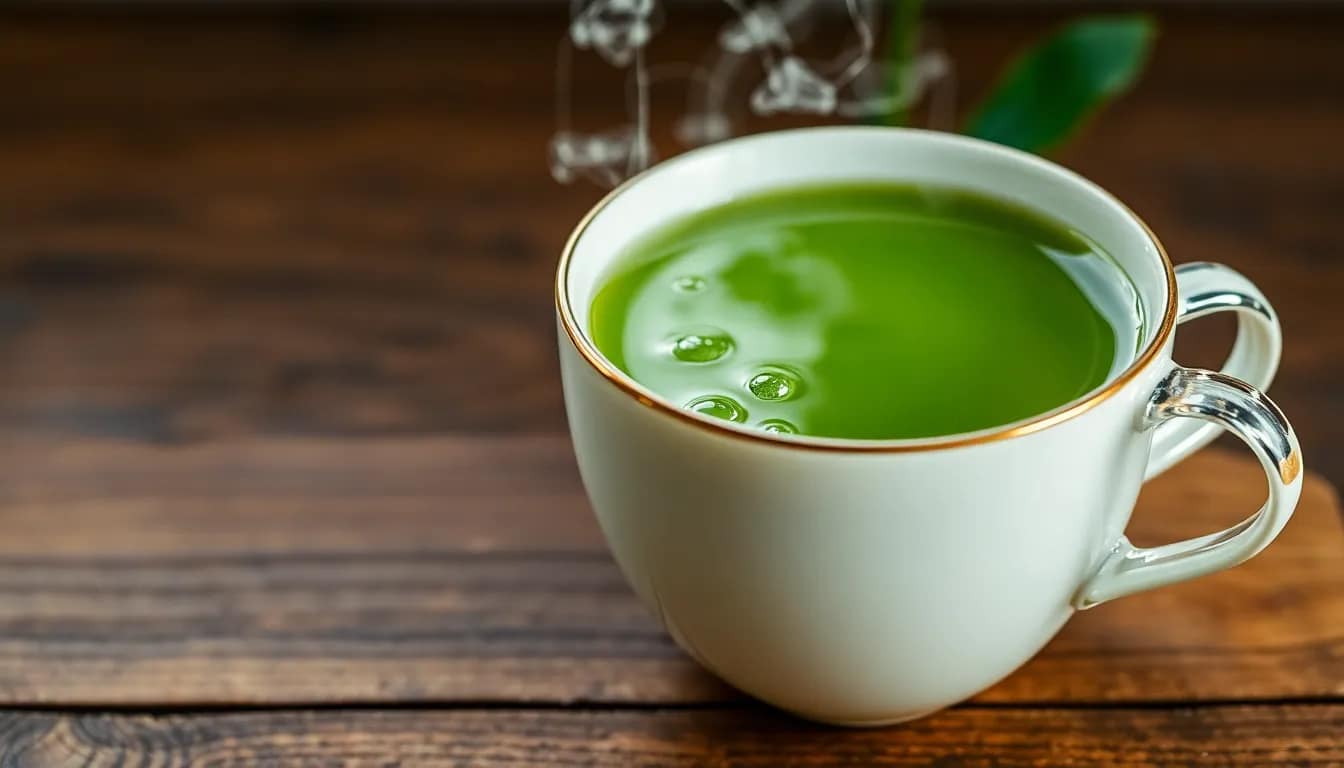
Final Verdict on green tea as a detox
Green tea acts as a gentle ally for the body’s natural cleanup systems. Its polyphenols, especially EGCG, help neutralize free radicals and support detox signaling in the liver and kidneys. The evidence points to modest, gradual benefits when it is part of a balanced lifestyle, not a cure for exposure. Realistic expectations matter. Pair your tea with hydration, fiber rich foods, and regular activity. For many readers, green tea as a detox means a steady, moderate intake that complements everyday wellness rather than a dramatic quick fix.FAQ on Green Tea Detox
How does green tea detoxify the body
In plain terms the polyphenols act as antioxidants. They help the liver and kidneys move waste toward elimination and can boost enzymes that prep toxins for excretion. The effect is supportive and gradual, not a cure. If you want a practical takeaway, think of it as one part of a balanced routine that helps your body manage everyday exposures.What are the potential downsides of drinking green tea
Caffeine can wake you up at night or cause jitters for sensitive folks. It may slightly reduce iron absorption when you drink it with meals. Some people experience stomach upset or headaches if they overdo it. If you take medications, a quick chat with a clinician about timing and possible interactions is wise.Can green tea be harmful in large amounts
Yes if the amount is very high or you rely on high dose extracts. Large intake can raise caffeine levels and, in rare cases, affect liver enzymes. Most people stay safe with about 5 to 6 cups a day; pregnant or breastfeeding individuals and those with liver conditions should check with a healthcare provider before heavy use.How much should I drink for detox friendly benefits
Aim for about 2 to 3 cups a day to keep caffeine at comfortable levels. If you want more cups, choose a lighter brew or a lower caffeine variety. Space tea away from iron rich meals if iron status matters to you. Remember that hydration and a varied diet amplify any tea’s supportive effects.Can I pair green tea with other detox foods
Absolutely. Hydration plus a colorful plate of fruits and vegetables, whole grains, and plenty of water makes the body’s natural detox systems work better. Tea is part of a broader pattern, not a stand in for good meals, sleep, and activity.A steady, thoughtful approach to green tea as a detox fits naturally into daily life, offering quiet support without overpromising results.