Chamomile Tea Worth It?? Let’s Know the Truth!
Is chamomile green tea caffeine-free? Not necessarily. Pure chamomile is a herbal infusion with no caffeine, but once you blend it with green tea leaves, caffeine enters the mix. Knowing the difference helps you choose the right brew—whether for a relaxing evening or a refreshing pick-me-up.
—
Is chamomile green tea caffeine-free?
The answer depends on what’s in your cup. Pure chamomile tea is an herbal infusion made from dried chamomile flowers, containing no caffeine at all. It’s often promoted as a calming, sleep-friendly drink. However, if the label or recipe lists green tea leaves—such as Sencha or Matcha—then caffeine is present. Green tea naturally contains caffeine, and blending it with chamomile means your cup has both caffeine and herbal benefits.
Brewing chamomile and green tea separately gives you full control: you can enjoy the caffeine-free herbal infusion anytime, or prepare a light green tea with its bright, grassy flavor. If you want a caffeine-free chamomile experience, look for pure herbal options, and avoid blends unless you check the ingredient list.
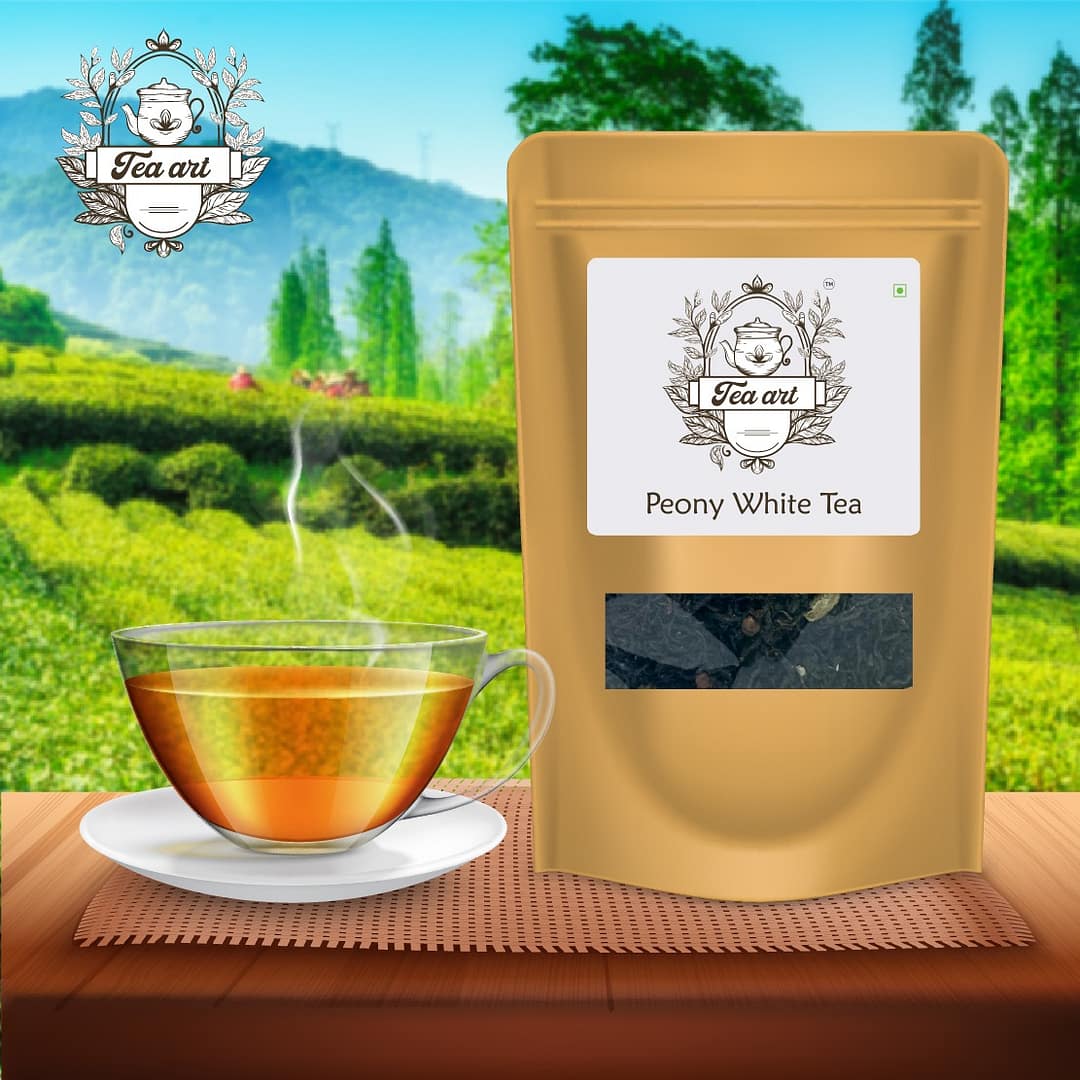
At Tea Art, we offer pure green teas like our Green Tea or Peony White Tea—both caffeine-containing but free of chamomile unless explicitly included. We also have a range of herbal infusions if you’re seeking caffeine-free relaxation. For detailed guidance on ingredients, brewing times, and temperatures—especially to avoid bitterness from over-steeping green tea—visit our Caffeine-Free Herbal Tea guide.
Next, let’s explore the flavors, ingredients, and best ways to brew chamomile green tea or its pure counterparts for the perfect cup.

Chamomile tea vs. chamomile–green tea: what’s in the cup?
Many people ask if chamomile green tea is caffeine-free. The answer depends on whether it’s a pure herbal infusion or a blend with green tea leaves. Pure chamomile consists of dried flowers, which have no tea leaves and naturally contain no caffeine. It’s a soothing herbal drink often enjoyed before bed.
In contrast, chamomile–green tea blends combine chamomile flowers with green tea leaves. Green tea naturally contains caffeine—about 20–30 mg per cup—though the amount varies with brewing time and tea quantity. These blends are not automatically caffeine-free or suitable for late-night sipping. How much caffeine ends up in your cup depends on how much of each ingredient you use and how long you steep the tea.
If you want a caffeine-free herbal experience, pure chamomile is the way to go. But if you’re after a calming drink with a hint of green tea’s grassy notes, a blend might suit you better. Just remember: the caffeine content in a chamomile-green tea depends on the ratio and brewing method.
Pure chamomile: herbal flowers, no tea leaves, naturally caffeine-free
Pure chamomile tea is made solely from dried chamomile flowers. No tea leaves are involved. This makes it an herbal infusion, free from caffeine, making it a popular choice for those seeking relaxation without stimulants. Its gentle, floral flavor pairs well with honey or lemon and can be enjoyed any time of day.
A typical serving uses about 2 teaspoons of dried chamomile flowers steeped in hot water for 5–7 minutes. Because it contains no tea leaves, it won’t contain caffeine, making it safe for late-night sipping. The NCCIH notes that chamomile is generally safe for most people, but those with allergies to plants in the daisy family should proceed with caution.
Chamomile–green tea blend: both ingredients; caffeine varies by tea quantity and brew
A chamomile–green tea blend combines dried chamomile flowers with green tea leaves. The result is a drink that offers the calming aroma of chamomile with the slight bitterness of green tea. The caffeine level can fluctuate based on how much of each component you use, as well as brewing time.
For example, if you steep a blend with more green tea leaves or brew it longer, expect more caffeine. Conversely, a lighter steep or a smaller green tea proportion reduces caffeine. These blends are not labeled as caffeine-free by default, so if caffeine sensitivity is a concern, check the product details or consider brewing separately.
Separate brewing: control your cup
To get the most control over your chamomile–green tea, brew each on its own, then combine to taste. This allows you to fine-tune flavor and caffeine content. For example, steep green tea for 2–3 minutes at 80°C to avoid bitterness, then steep chamomile flowers separately for 5–7 minutes at the same temperature. Afterward, blend the two teas according to your preference.
Avoid over-steeping green tea, which can make it bitter and introduce astringency that masks the floral notes of chamomile.
Comparison table: chamomile tea vs. chamomile–green tea
| Cup Type | Ingredients | Caffeine Status | Flavour | Best Fit |
|---|---|---|---|---|
| Pure chamomile | Dried chamomile flowers | Caffeine-free | Floral, apple-like, soothing | Evening, relaxation, caffeine-free lovers |
| Chamomile-green tea | Chamomile flowers + green tea leaves | Caffeine varies; not caffeine-free | Herbaceous, grassy, floral | Light afternoons, those wanting mild caffeine |
| Green tea | Green tea leaves | Contains caffeine | Grassy, slightly bitter, fresh | Morning pick-me-up, light refreshment |
For details on caffeine-free green teas, see here.
—
How to brew a chamomile and green tea cup without bitterness
Brewing a balanced chamomile and green tea mixture without ending up with a bitter taste takes some care.
Step 1: Check the ingredient label and follow the supplier’s directions
Always read the packaging. Some green teas are more delicate, requiring lower temperatures and shorter steeping times. For example, a high-quality green tea may need 80°C water steeped for 2–3 minutes. Chamomile, on the other hand, can handle slightly hotter water for 5–7 minutes. If the supplier provides specific instructions, follow them closely to preserve flavor and avoid bitterness.
Step 2: Brew separately, then combine to taste
If you’re unsure about steeping times, brew each tea on its own first. Use the package’s recommended temperature and time. For green tea, over-steeping leads to bitterness, so keep it brief. Chamomile can steep longer without issue. After brewing, taste each infusion and blend according to your preference.
Brewing checklist:
1. Check ingredient labels and instructions.
2. Use the recommended water temperature for each tea.
3. Steep green tea for 2–3 minutes; chamomile for 5–7 minutes.
4. Remove leaves/flowers after steeping.
5. Combine teas gradually, tasting as you go.
6. Avoid a universal ratio or brew time; adjust based on your taste.
—
Where to buy chamomile green tea in India: Tea Art options
Currently, Tea Art does not offer a dedicated chamomile–green tea blend. If you’re looking for a light, fresh green tea, try our Green Tea. For a gentler, floral alternative, consider Peony White Tea. Neither product contains chamomile unless explicitly listed in the ingredients.
Note: Check the ingredient list before purchase to confirm whether chamomile is included. Neither of these teas contains chamomile unless specified.
Short selection checklist:
- Confirm if the tea is a blend or pure herbal infusion.
- Check ingredient lists carefully.
- Follow specific brewing instructions.
- Steep green tea at 80°C for 2–3 minutes.
- Steep chamomile at 95°C for 5–7 minutes.
- Adjust blend to taste, avoiding over-steeping green tea.
By understanding the ingredients and brewing techniques, you can enjoy a perfect cup—whether pure chamomile or a well-balanced chamomile–green tea blend.

Ready to Sip Smart? Picking the Right Cup for You
Choosing between pure chamomile and a chamomile–green tea blend hinges on your preferences for caffeine and flavor. If you want a caffeine-free herbal infusion, pure chamomile is your best bet—just flowers, no tea leaves, no caffeine. Its gentle floral notes make it ideal for winding down without stimulants.
But if a touch of green tea’s grassy brightness appeals to you—and caffeine isn’t a concern—then a chamomile–green tea blend could offer a pleasant, layered experience. Keep in mind, the caffeine content in these blends depends heavily on how they’re prepared. Brewing green tea for longer or using more leaves naturally raises caffeine levels, so controlling your steeping time is key.
For those seeking simplicity and transparency, Tea Art’s offerings—like Green Tea or Peony White Tea—are straightforward choices. Neither contains chamomile unless explicitly indicated, so always check the ingredients if chamomile is your priority.
Ultimately, understanding what’s in your cup helps you tailor your tea experience. Whether you prefer pure herbal relaxation or a gentle caffeine boost, knowing the ingredients and brewing techniques empowers you to enjoy every sip with confidence. Good tea is about clarity and choice—making each cup fit your mood, your time of day, and your taste buds.
—
Chamomile Green Tea FAQs
Does chamomile green tea have caffeine?
Yes, it can. The caffeine presence in chamomile green tea depends on how it’s made. Pure chamomile contains no caffeine—it’s an herbal flower infusion. However, when chamomile is combined with green tea leaves, the caffeine level varies based on the ratio and steeping time. Green tea naturally has about 20–30 mg of caffeine per cup, so a blend will usually carry some caffeine unless the green tea is used sparingly or brewed very lightly. If you’re sensitive to caffeine or want to avoid it, check the product details or consider brewing the green tea separately to control the caffeine content.
Is chamomile green tea the same as chamomile tea?
Not quite. Pure chamomile tea is made solely from dried chamomile flowers, making it an herbal, caffeine-free infusion. Chamomile–green tea, on the other hand, is a blend that combines chamomile flowers with green tea leaves. This means it will usually contain caffeine, depending on the amount of green tea used and how long you steep it. So, while they share chamomile’s floral aroma, their caffeine profiles and flavor profiles differ.
Can you drink chamomile green tea before bed?
It’s possible, but with a caveat. If the blend contains green tea, it will have caffeine—typically enough to interfere with sleep for some people. Pure chamomile, being caffeine-free, is often recommended as a calming bedtime drink. If you’re considering a chamomile–green tea blend, check the caffeine level or brew it for a shorter time to minimize caffeine intake. Remember, individual sensitivity varies, so listen to how your body responds.
How do you brew chamomile and green tea together?
To avoid bitterness, the best approach is to brew each separately. Steep green tea at around 80°C for 2–3 minutes to prevent over-extraction. Simultaneously, steep chamomile flowers at 95°C for about 5–7 minutes. Once both are ready, taste and blend the infusions according to your preference. This method gives you control over flavor and caffeine, ensuring a balanced, enjoyable cup.
Is chamomile safe for everyone?
For most people, chamomile is safe when consumed in typical amounts. According to the NCCIH, it’s generally well-tolerated, but those with allergies to plants in the daisy family—like ragweed—should proceed cautiously. It may cause allergic reactions or interactions with certain medications, especially blood thinners or sedatives. If you’re pregnant, nursing, or on medication, consult a healthcare professional before adding chamomile to your routine. Always listen to your body and stop if you notice any adverse effects.
—
When it comes to chamomile green tea, knowledge is your best tool for making the most of every cup. Whether you prefer a caffeine-free herbal or a blend with a hint of green, understanding how ingredients and brewing influence your tea ensures each sip aligns with your needs. Tea is about more than flavor—it’s about making mindful choices that suit your lifestyle.