Ginger tea for period cramps offers a soothing, natural solution that many women are turning to for relief. Its remarkable anti-inflammatory and antispasmodic properties can help ease that uncomfortable monthly pain, allowing for a more comfortable experience during your cycle. Let’s explore how ginger tea can make a difference for you.
How Does Ginger Tea Alleviate Period Cramps?
Ginger tea is a natural remedy that can significantly relieve period cramps due to its anti-inflammatory properties. Research has shown that ginger may reduce the intensity and duration of menstrual pain, making it a go-to choice for many women. The warmth of ginger tea not only offers comfort but also promotes better blood circulation, which can further ease those dreaded cramps.
Integrating ginger tea into your routine can be straightforward and enjoyable. Not only will you benefit from its pain-relieving qualities, but you can also explore various brewing methods tailored to your taste. As we delve deeper into this guide, you’ll discover practical brewing instructions, recommended dosages, and suggestions on how to incorporate ginger tea alongside other effective teas like cinnamon and green tea for optimal relief during your menstrual cycle.
We’ll also cover relevant safety tips and inform you of specific populations that should be cautious with ginger tea. With the right approach, you can create a personalized and holistic health routine that addresses menstrual discomfort effectively. Ready to transform your experience? Let’s jump in.
The Benefits of Ginger Tea for Menstrual Pain Relief
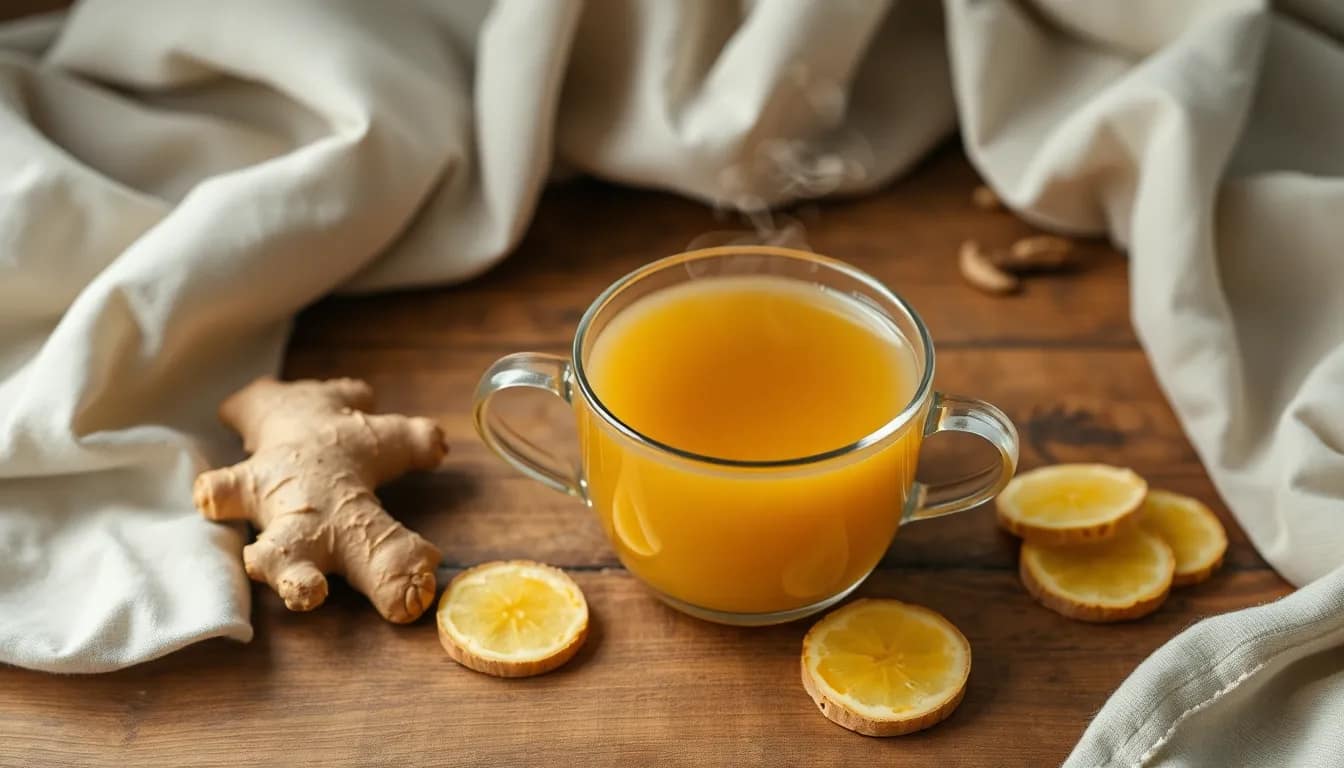
Ginger tea for period cramps delivers practical relief with minimal side effects. A warm cup during the early days of bleeding can shift how you feel. Ginger tea for period cramps works through gingerol, a compound that lowers inflammation and eases uterine contractions. In reviews of several trials, pain scores often drop by about 25–40 percent on average with regular use during cramps. PubMedsearch
Anti inflammatory properties come from gingerol and other compounds that quiet the signals driving pain. This makes ginger tea a gentle option for many who want relief without strong medication. To learn more about this mechanism, check a trusted overview on ginger from NCCIH. NCCIH ginger page
Anti-Inflammatory Properties
Gingerol blocks several inflammatory pathways, which helps reduce prostaglandin production that fuels cramps. It also acts as an antispasmodic, easing tight pelvic muscles. The effect is most noticeable when you sip consistently across the first two or three days of a cycle. For a quick read on how ginger supports inflammation relief, see this overview from Harvard Health. Harvard Health ginger benefits
Preparing Ginger Tea
1) Grate fresh ginger
2) Boil in water for 10 minutes
3) Strain and enjoy
Fresh root delivers a stronger aroma and more robust gingerol release, giving a brighter, punchier cup. Dried ginger or ground ginger is convenient and longer lasting, but the flavor is milder and you may need a bit more loose tea or a longer steep. Practical ratios to try: for two cups, use about 1 inch (2.5 cm) of fresh ginger; for dried, 1 teaspoon ground ginger per two cups water. For extra depth, add a squeeze of lemon and a touch of honey.
If you want extra guidance on balancing ginger with overall well being, a reputable source on ginger’s benefits and side effects is a good read. Harvard Health ginger benefits
Comparison of Herbal Teas for Cramps
| Tea Type | Ingredients | Benefits | Caffeine Level |
|---|---|---|---|
| Ginger | Ginger root | Anti-inflammatory, Antispasmodic | None |
| Cinnamon | Cinnamon | Pain relief, Antioxidant | None |
| Green | Green leaves | Rich in antioxidants, Calming | Moderate |
| Oolong | Oolong leaves | Smooth energy, Anti-stress | Low |
Integrating ginger tea into your wellness routine helps you build a steady, mindful support system around cramps. Hydration matters; aim for steady fluid intake throughout the day and pair tea with gentle movement such as a short walk or light stretching after meals. A calm breathing routine during tea breaks can also help shift mood and reduce perceived pain.
If you’re exploring options beyond ginger, Tea Art offers caffeine free herbal blends to support comfort on cramp days. Harvard Health ginger benefits article is also interesting.
Note on safety and timing: start small to see how your body responds. If you are pregnant, taking blood thinners, or on other medications, consult a clinician before increasing ginger intake. Ginger tea fits into a broader routine that includes hydration, gentle movement, and mindful health checks.
Final verdict on Ginger Tea for Period Cramps — can a warm cup ease your cycle days?
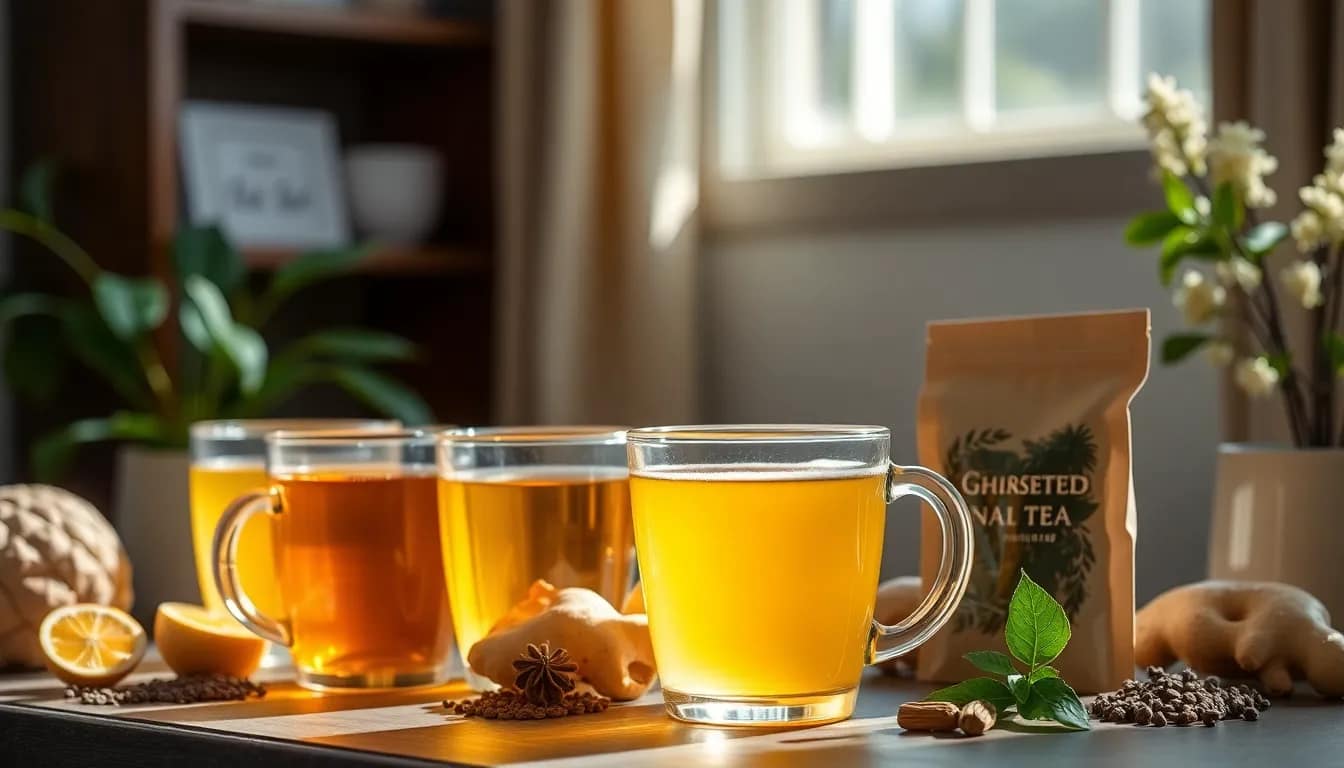
Ginger tea for period cramps sits in that helpful middle ground between comfort and practicality. When you sip regularly in the first days of your cycle, many people notice gentler cramps and less overall discomfort. The science backs up a gentle anti inflammatory and antispasmodic effect from gingerol, and that translates into real relief for a lot of folks who want to avoid heavier medications. The key is consistency and listening to your body. Brew with fresh ginger for a brighter, more robust cup, or switch to a milder dried option if you prefer a softer profile. Pairing the tea with good hydration and light movement creates a simple, reliable routine you can rely on. For variety, Tea Art offers blends that fit cramps while staying caffeine free when you want a calm, steady ritual. If you want a broader view, the takeaway from trusted sources is clear ginger can support comfort without being a loud fix. This is a small, steady tool you can trust as part of a thoughtful approach to menstrual well being. In the end, ginger tea for period cramps can be a steady anchor in your daily rhythm.
FAQ on Ginger Tea for Period Cramps
Can ginger tea make period cramps worse
It can happen to a few people if the tea is very strong or your stomach is sensitive. If you notice heartburn or upset after a cup, cut back the amount or skip that day. Start with a modest brew and see how your body responds over the next cycle.
How often can I drink ginger tea during my period
A practical plan is one to two cups on the heaviest days, spread through the day. If it feels good and relief shows up, a third cup is fine for some. Balance with water and other non caffeinated drinks so you stay hydrated.
Are there any side effects of ginger tea
Commonly mild effects include a touch of heartburn or an unsettled stomach when the brew is strong. People with sensitivities or those on certain meds should check in with a clinician. If you are pregnant or taking blood thinners, talk with a health professional before increasing intake.
Can I mix ginger tea with other teas for cramps
Definitely. Ginger blends nicely with cinnamon or other caffeine free herbal bases. If you want a touch of antioxidant lift, you can pair it with a green tea in small amounts, but keep caffeine levels in mind. Tea Art’s options for cramps include blends designed for comfort and choice, and you can explore caffeine free herbal options here Tea Art caffeine free herbal tea options.
Is ginger tea safe during pregnancy
Pregnancy calls for a cautious approach. Some guidelines favor moderation and advice from a clinician before increasing amounts. If you’re pregnant or planning, opt for lighter teas and focus on staying well hydrated while you assess how your body responds to small amounts of ginger over time.
Closing thought
Ginger tea for period cramps offers a gentle, dependable approach to easing days that can feel heavy. Use it as part of a balanced routine hydration, light movement, and mindful rest. The right blend from Tea Art can accompany this habit without adding complexity, letting you move through your cycle with steadier comfort.