
Green tea isn’t just a beverage; it’s a calming ritual that many swear by. But what exactly makes relaxing green tea so special? Let’s unravel the science behind its soothing effects and explore how this ancient drink can transform your daily routine into a tranquil escape.
Why is Green Tea Relaxing?
Green tea promotes relaxation primarily due to L-theanine, which calms the mind while moderating caffeine’s stimulating effects. This unique blend supports mental clarity and stress relief, essentially offering a gentle lift without the jittery crash. Imagine sipping a warm cup that not only hydrates but also helps ward off the daily stresses that weigh on you.While it’s widely recognized for its health benefits, the true magic of relaxing green tea lies in how it engages with your body’s chemistry. Research has shown that L-theanine impacts brain wave activity, inducing relaxation while enhancing focus. In a world bustling with distractions, this blend of calm and clarity becomes a vital tool for those seeking solace in a cup.
But the experience of drinking green tea goes beyond its chemical composition. There’s a mindfulness ritual attached to the act of brewing and sipping, one that has roots in cultures around the globe. From carefully measuring leaves to timing the perfect steep, every step can enhance your relaxation journey.
In this post, we’ll dive deep into the science of relaxing green tea, explore brewing tips to maximize its calming properties, and introduce you to premium varieties that embody this tranquil experience—all designed to foster that precious moment of peace you deserve. So, grab your favorite cup, and let’s start this soothing journey together.
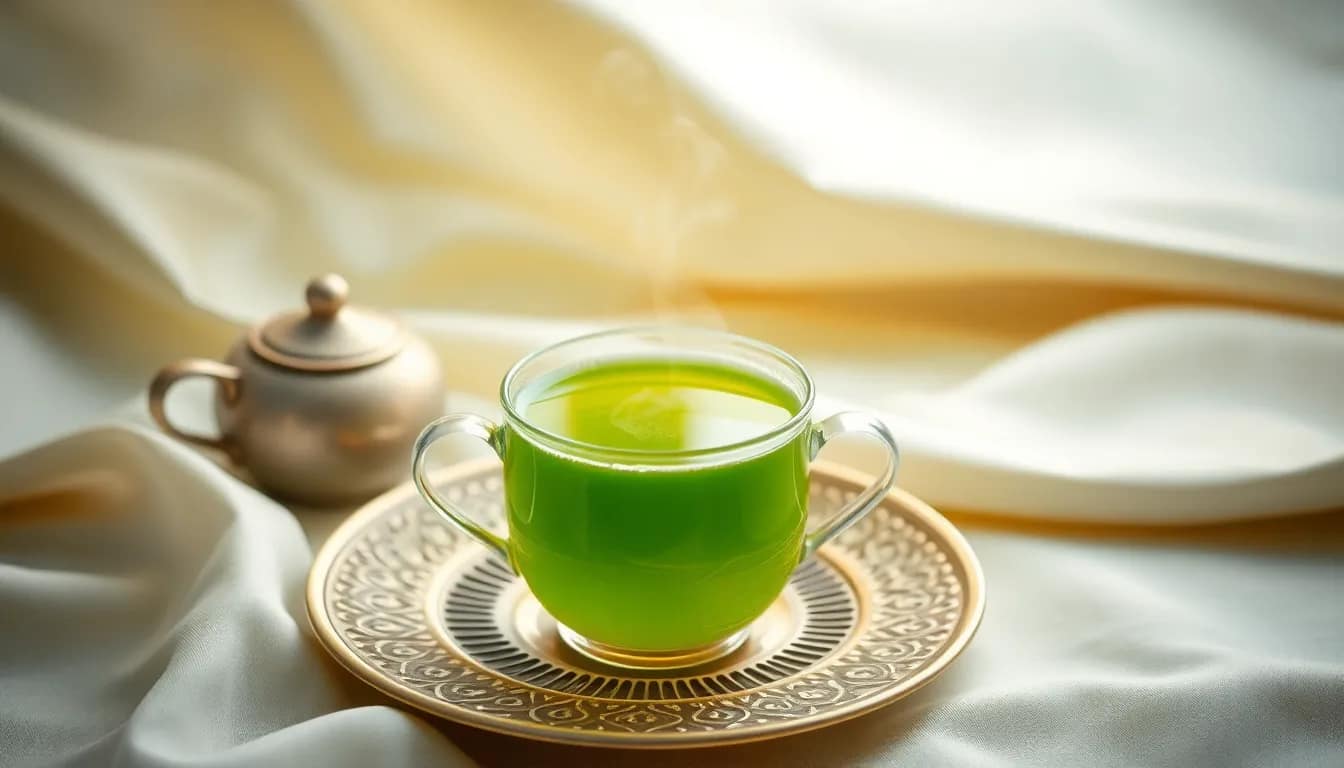
Understanding L-theanine and Caffeine Synergy
Relaxing green tea works through a small but powerful combo. L-theanine adds calm without dulling focus, while caffeine keeps you alert. In a single cup, you get steady energy plus a gentle, centered mood. That mix is why many readers reach for relaxing green tea as part of a daily calm ritual.
Think of it as a balance. L-theanine nudges the brain toward relaxed awareness; caffeine provides clean stimulation. In studies, alpha brain waves rise when L-theanine is present, a sign of relaxed focus. A typical cup delivers a subtle shift: you feel awake but not on edge, ready to think clearly or savor a moment of stillness.
The Role of L-theanine in Relaxation
L-theanine interacts with brain chemistry to ease tension and support mood. It can boost GABA, serotonin, and dopamine levels in ways that promote calm without sleepiness. The result is smoother anticipation, fewer racing thoughts, and a clearer sense of “now.” For many, this translates to a routine that feels restorative after a busy morning.
Ritual matters. Breathing slowly while you sip heightens the effect. A minute of quiet focus—the breath in, breath out—can turn a regular cup into a small mental reset. That’s a core reason why many people call relaxing green tea part of a mindfulness practice.
How Caffeine Affects the Brain
Caffeine blocks adenosine receptors, which helps you feel more awake and attentive. It also nudges dopamine pathways, which can lift mood and drive. The caveat is that straight caffeine can feel jarring if taken in excess or on an empty stomach. When paired with L-theanine, the energy feels smoother: alert without jitter, steady without a crash.
In real life, you’ll notice this as a cup that keeps you productive for a stretch and then eases into that gentle, post-work calm. It’s not just about being awake; it’s about being present with less tension.
Comparison of Green Teas with High L-theanine Content
Some greens naturally lean toward higher L-theanine levels, especially when harvested and prepared with care. Matcha tends to carry more L-theanine per cup because you consume the leaf itself, not an infusion. Other greens like Sencha and Jasmine have moderate ranges, with jasmine often delivering similar L-theanine to other green teas but lighter caffeine if steeped briefly.
- Sencha: gentle, clean taste; moderate L-theanine; moderate caffeine.
- Matcha: rich in L-theanine; higher caffeine; creamy mouthfeel.
- Jasmine green tea: bright aroma; similar L-theanine to other greens; caffeine on the lighter side when brewed briefly.
- Temperature: aim for 70–80°C. Lower end for delicate greens; higher end for fuller-bodied teas like jasmine.
- Steep time: 2–3 minutes. Shorter for a lighter cup, a touch longer if you want a stronger mood lift.
- Tea amount: about 1 teaspoon (roughly 2 g) per cup. For matcha, whisk 1/2 teaspoon of powder with 60–80 ml hot water until smooth.
- Step-by-step cue: heat water, pre-warm your cup or teapot, add tea, pour water, set a tiny timer, and breathe deeply for 60 seconds before sipping.
- Mindful tips to maximize relaxation: sip slowly, notice aroma, watch the color unfold, and pair the cup with a few minutes of quiet breathing. This turns a routine pour into a calming practice.
- Calming and restful options that emphasize low caffeine or herbal balance Calming & Restful Teas
- The science behind why green tea feels relaxing and how L-theanine supports calm alertness Why Green Tea Feels Relaxing: L-Theanine & Calm
- Practical relaxation teas and herbal blends that complement the daily ritual Teas for Relaxation
Table: L-theanine and caffeine levels (approx per 8 oz cup)
| Green tea | L-theanine (mg) | Caffeine (mg) |
|---|---|---|
| Sencha | 6–12 | 20–30 |
| Matcha | 25–40 | 60–70 |
| Jasmine green tea | 6–12 | 20–30 |
For context, these are rough ranges influenced by harvest, leaf size, and brewing. The key takeaway: higher L-theanine often pairs with moderate caffeine, giving calm focus rather than a quick jolt.
Brewing the Perfect Cup for Relaxation
Your ritual shapes the science. The right temp and time extract more of the soothing compounds and cut the bite of caffeine.
Who benefits most from this approach? a busy professional needing steady focus, a student studying with less anxiety, or someone building a daily calming habit. A real scenario: after a long day, you pause, brew a cup of relaxing green tea at 75°C for 2 minutes, and take three slow breaths. The room quiets, thoughts settle, and you feel ready to read or reflect without tension.
If you’re exploring options, start with a premium green tea lineup that aligns with your taste and relaxation goals. Tea Art offers premium loose-leaf greens that shine in a quiet, ritual-driven brewing routine. See the selection here: Tea Art premium loose-leaf green tea.
External ideas that echo this approach
If you want deeper science and culture woven into your relaxing green tea journey, this pillar approach helps you connect chemistry, ritual, and daily well-being.
Final Recommendation for Relaxing Green Tea
To nurture daily calm, turn relaxing green tea into a small, intentional ritual. Look for greens with balanced L-theanine and gentle caffeine that support steady focus without jitters. When you brew, use water about 70–80°C and steep for 2–3 minutes, using roughly one teaspoon per cup. Pre-warm your cup, pour, and take three slow breaths before sipping. Let the aroma ground you as the color unfolds, and drink slowly, savoring each moment. If you crave a lighter lift, shorten the steep time or choose a milder green such as Sencha or Jasmine. For a deeper calm, try a longer, cooler infusion with a touch less leaf. Tea Art offers premium loose-leaf greens that suit different relaxation goals, from crisp, clean greens to softly scented blends. Establish this as a daily pause, not a task, and you’ll notice a steadier mood threading through the day. With relaxing green tea, you turn a simple cup into a moment of balance.FAQ on Relaxing Green Tea
What are the benefits of drinking green tea?
Green tea offers a gentle blend of calm and clarity. L-theanine supports relaxed alertness by shaping brain chemistry, while caffeine provides a clean lift without the jitters. The result is steadier mood, sharper thinking, and a sense of steadiness during moments that demand focus. Add a mindful sip and the sensory experience—the aroma, the hue, the warmth—deepens the effect.Can green tea help with anxiety?
For many, yes, in part. The soothing action of L-theanine can ease tension and soften racing thoughts, helping mood feel more even. It isn’t a cure, so if anxiety is persistent, seek professional guidance. If caffeine sensitivity is a factor, choose milder greens or shorter brews to keep relaxation on track.What is the best time to drink green tea for relaxation?
Mid morning or early afternoon tends to work well, giving a calm rhythm to the day without overdoing caffeine. If you’re sensitive to caffeine or sipping late, opt for low caffeine greens or a shorter infusion. In the evening, decaf greens or blends designed for wind-down can support a gentler transition to rest.How can I maximize relaxation when brewing relaxing green tea?
Treat brewing as a small ritual. Use water around 70–80°C, steep 2–3 minutes, and measure about 2 grams per cup. Pre-warm your cup, breathe during the steep, and sip slowly. A quiet, distraction-free moment enhances the calming effect and makes the cup feel like a reset for your nervous system.Is matcha better for calm focus than other greens?
Matcha brings a higher dose of L-theanine with more caffeine, which some people find smoother and more sustained. Others prefer lighter greens for a gentler lift. If you want calm focus with less caffeine, adjust the amount you whisk and the steep time, then choose based on how your body responds.A quiet cup can anchor a moment of clarity before the next task.