
Caffeine-free green tea sounds appealing, but is it even a possibility? Let’s unravel the truth behind green tea’s caffeine content, explore options that cater to your caffeine-free cravings, and find out how you can enjoy the delightful flavors of teas that keep you energized without the jitters.
Can Green Tea Be Caffeine-Free?
Green tea naturally contains caffeine, typically ranging from 20 to 45 milligrams per 8-ounce cup, depending on factors like steeping time and leaf variety. While this might concern some, don’t fret just yet; there are decaffeinated options available that significantly reduce the caffeine levels. However, it’s vital to know that truly caffeine-free options are labeled as herbal teas. These alternatives eliminate the stimulating effects while still offering a delightful experience.
So, if you’re keen on exploring the lighter side of tea without the effects of caffeine, stick around. We’ll reveal the best caffeine-free alternatives, such as premium white tea, share insights into their unique flavor profiles, and guide you on how to brew them perfectly. Plus, you’ll learn about the remarkable health benefits of low-caffeine teas. Ready to sip with confidence? Let’s dive in!
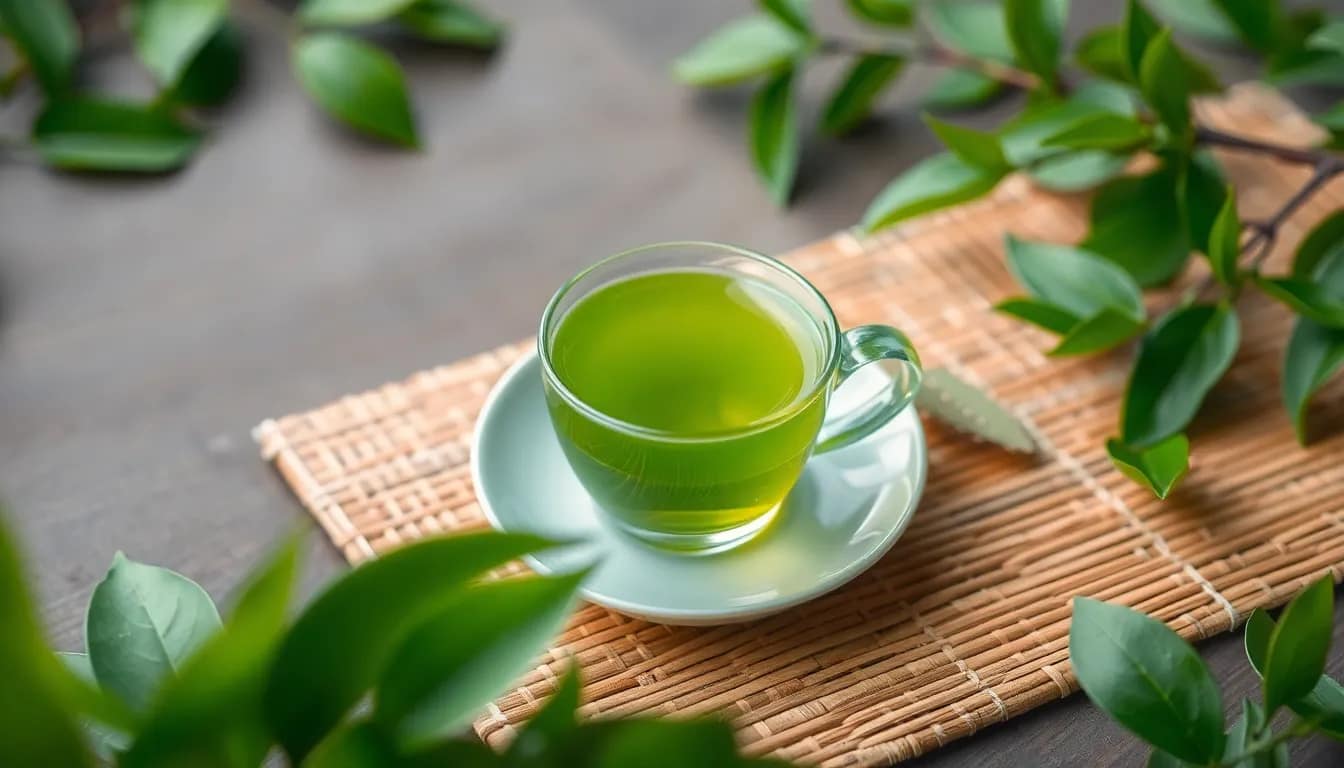
Understanding Caffeine in Green Tea
Reality check: caffeine free green tea doesn’t exist. Green tea leaves carry caffeine by nature, so a product labeled caffeine free green tea is misleading. If you want a no caffeine boost, you won’t find it in true green tea. Most people notice caffeine in green tea but you can adjust how you brew or choose a different category for a lighter effect.
Green tea does contain caffeine. If you are seeking a milder lift, white tea can be a better match. It shares the same leaf family but often carries less caffeine and a subtler kick. For trusted guidance on caffeine, see resources from reputable health bodies like NCCIH and FDA.
To learn more about caffeine in everyday tea and how to pick options that fit your needs, check our guide on how to brew and choose tea with lower caffeine impact. You might also explore Tea Art’s accessible basics on green tea for morning energy.
How Much Caffeine is in Green Tea
A typical 8 oz cup sits around 20 to 45 mg of caffeine. The exact amount depends on leaf size, water temp, and steep time.
- Short steep, light leaf: closer to 20–30 mg per cup.
- Longer steep, dense leaves: 35–45 mg or more.
- Real world example: brew 6 oz for 2 minutes and you’ll likely land in the 15–25 mg range. If you extend to 4 minutes, count on around 30–40 mg.
Note that green tea labeled decaf isn’t zero caffeine. You’ll still see a trace, commonly about 2–5 mg per cup after the decaffeination process. For those avoiding caffeine altogether, herbal blends or pure herbal infusions are the safer route.
For independent context on caffeine levels across beverages, see official information from health authorities and product pages we trust, including sources that explain caffeine content in tea and how to read labels.
Decaffeination Process Explained
Decaf green tea goes through one of three main routes to reduce caffeine while trying to preserve flavor.
- Water process uses soaked leaves and a filtration step to wash out caffeine while keeping most aroma compounds.
- CO2 process channels caffeine out with supercritical carbon dioxide, leaving most flavor intact.
- Solvent based methods (often ethyl acetate or, in older practice, methylene chloride) pull caffeine away with a mild risk of flavor change. In modern production many brands avoid harsh solvents or fully rinse the leaves afterward.
Residual caffeine remains in every cup even after decaf, typically a few milligrams per serving. If you want specifics, brand pages and third party reviews often show approximate caffeine ranges for their decaf lines. This is why many customers consider white tea or herbal infusions as alternative choices when seeking lower or negligible caffeine.
External reads you can consult for a broad view include a caffeine overview from NCCIH and general caffeine guidance from the FDA. These bodies explain how caffeine works in tea and why zero caffeine isn’t guaranteed in decaf products. For a practical take on decaf offerings, see examples from brands that highlight their decaffeination methods and caffeine content.
- Learn more about caffeine from NCCIH here:
Caffeine Content in Various Teas At a Glance
| Tea Type | Typical caffeine per 8 oz | Notes |
|---|---|---|
| Decaf Green Tea | 2–5 mg | Not completely caffeine free. |
| White Tea | 15–30 mg | Usually gentler on the pulse than green. |
| Herbal Tea | 0 mg for most blends | Check labels for mate or guarana which add caffeine. |
When you compare, white tea often sits between decaf green and green in caffeine, offering a lighter lift with a subtler flavor. Herbal infusions, unless they include caffeine sources like mate, are commonly caffeine free and can be a reliable evening or late afternoon option.
If you’re curious about practical picks, Tea Art’s white and green tea ranges give you reliable cues on caffeine profiles and flavor intensity. You can also explore our guide on green tea for morning energy for a sense of how to pace your caffeine intake through the day: https://teaart.in/green-tea-for-morning-energy/
Why White Tea is a Great Alternative
For anyone watching caffeine intake, white tea often feels easier on the system. It tends to brew with a lighter body and a gentler energy that users describe as a calm focus rather than a jolt.
- Lower caffeine on average than many greens, with a smoother taste profile.
- Subtle sweetness and delicate aroma pair well with light meals or a quiet afternoon.
- Suitable for caffeine sensitive routines while still delivering tea culture and ritual.
Brewing tip: use cooler water and a shorter steep for white tea to keep the flavors tender and the caffeine modest. A quick, gentle cup can be perfect for afternoons when you want a tea break without a strong kick.
Health-minded sippers often pair white tea with foods rich in antioxidants and minerals, amplifying a balanced daily tea routine. If you’re exploring a caffeine light route, white tea stands out as a straightforward, enjoyable option. And if you want to stay with the same brand family, Tea Art offers premium white teas alongside green blends to suit your taste and energy needs.
For a deeper dive into choosing a caffeine friendly routine, browse our guides and product pages. Also, keep in mind that even with lower caffeine, individual sensitivity varies. If you’re trying to cut back gradually, start with shorter steeps and smaller cups, then adjust.
Also read this Tea Art green tea for morning energy.
Final Recommendation for Caffeine Free Green Tea Options
True caffeine free green tea doesn’t exist. Green tea leaves carry caffeine by nature, so a product labeled caffeine free green tea is misleading. If your aim is a minimal lift, the smarter path is to pick a decaffeinated green tea with a tiny caffeine footprint or switch to a naturally lower option like white tea. Herbal infusions offer a reliable zero caffeine route. In Tea Art’s lineup, you’ll find a gentle fit in premium white teas for a lighter lift, or a decaf green option for the familiar green ritual with negligible caffeine. To shape your experience, brew with cooler water and shorter times to curb extraction while keeping flavor alive. The goal is a steady, comfortable tea moment rather than a jolt.
Quick picks to consider
- White tea from Tea Art for a softer energy and subtle sweetness
- Decaf green tea for the familiar green profile with minimal caffeine
- Herbal blends when you want a true caffeine-free option
The underlying idea is simple: pair a tea that matches your energy needs with mindful brewing. That combination helps you enjoy the ritual without overstimulation, and it aligns with a balanced daily routine.
FAQ on Caffeine Free Green Tea
Is Decaf Green Tea Safe?
Yes for most people. Decaf green tea goes through a process to reduce caffeine, but a tiny amount can remain. Look for brands that share their method, whether water or CO2 based, and note that no decaf tea is truly caffeine free. If you’re highly sensitive, you may still notice a minute lift, so pairing decaf with shorter steeps is a practical approach.
Does White Tea Suit Caffeine-Sensitive People?
Often yes. White tea tends to carry less caffeine than green, with a gentler profile. It still has some caffeine, so if sensitivity is severe you may prefer herbal blends. White tea offers a calm, nuanced experience that many find easier to tolerate.
How to Brew Low-Caffeine Tea Perfectly
Keep it simple and let the leaf shine. Use cooler water around 75°C (167°F), and steep briefly, 1 to 2 minutes for white or light green blends. Use a lighter touch with the leaves, and avoid long steep times that pull more caffeine out. Pre-warming your cup or teapot helps maintain a gentle, even infusion. If you want even less caffeine, start with shorter steeps and smaller servings.
Can I Drink Caffeine Free Green Tea at Night
If your goal is zero caffeine, you’ll want herbal blends at night. Green tea and its decaf cousins still carry trace caffeine, which can affect late-evening comfort for some people.
How Do I Choose a Tea Art Option for Low Caffeine
Look for white teas for the lightest lift and decaf green for a familiar green character with minimal caffeine. Reading the product pages on caffeine content helps you pick with confidence and keep your daily ritual aligned with your energy needs.
Final takeaway: the right choice blends accurate caffeine awareness with your preferred flavor and timing. With careful selection and brief brewing, you can enjoy a satisfying cup that suits your rhythm.