Caffeine-free herbal tea offers a refreshing alternative for those looking to unwind without the buzz of caffeine. But what really lies behind the allure of these herbal blends, and how do they stack up against decaffeinated options? Let’s dive in and uncover the ins and outs of caffeine-free herbal tea.
What is Caffeine-Free Herbal Tea?
Caffeine-free herbal tea refers to teas made from herbs, flowers, or fruits without any caffeine content, unlike decaffeinated teas which often retain low caffeine levels. These tisanes are ideal for anyone sensitive to caffeine or just seeking a soothing, caffeine-free beverage before bedtime. In this guide, we’ll explore the differences between caffeine-free herbal teas and their decaf counterparts, highlight popular herbal ingredients, and discuss their numerous health benefits. You’ll also learn practical brewing tips to bring out the best flavors, discover a variety of choices including low-caffeine white teas, and find trustworthy products to add to your collection. Join us as we demystify the world of caffeine-free herbal tea and help you find your perfect cup!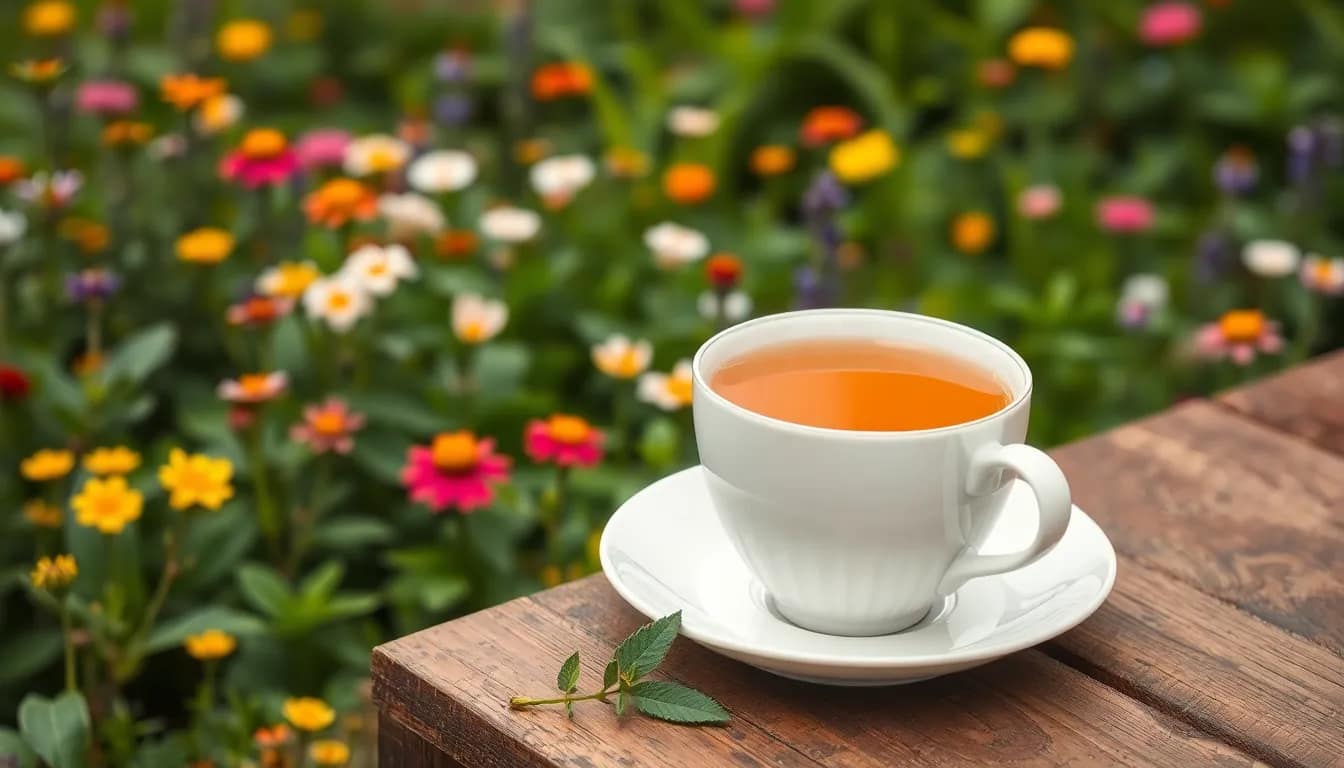
Understanding Caffeine-Free vs. Decaf Teas
Choosing caffeine free herbal tea means sipping tisanes made from herbs, flowers, and fruits—not Camellia sinensis. This type usually has no caffeine in most blends, making it ideal for evenings, kids, or caffeine sensitivity. Tea Art’s caffeine free herbal tea lineup emphasizes aroma, flavor, and wellness without a caffeine kick.
Decaf tea uses tea leaves but goes through a decaffeination process to remove most caffeine. It isn’t a caffeine free herbal tea; it can still carry a small residual amount per cup. If you want tighter caffeine control, check the SKU for exact numbers from the source.
Key Differences
- Source: Herbal blends vs Camellia sinensis leaves
- Caffeine presence: 0 mg in most caffeine free herbal tea; 2–5 mg per cup in decaf tea; white tea usually higher
- Flavor cue: Floral, minty, or fruity vs milder notes from decaf leaves
- Best use: Evening relaxing drinks vs daytime sipping with lower caffeine
- Chamomile, peppermint, and hibiscus: use water just off the boil (around 90–100°C), steep 5–7 minutes.
- Rooibos and blends with rooibos: 95–100°C, 7–10 minutes for a richer cup.
- Hibiscus-heavy blends: watch for a bright, tangy color; 5–7 minutes usually works well.
- General rule: start with 1 teaspoon per cup, adjust to taste; avoid over-steeping to prevent bitterness.
- Flavor boost: add a twist of lemon or a small piece of ginger for warmth without caffeine.
- Storage: keep away from light and heat; use within a few months for best aroma.
- Caffeine-Free Tea from Rishi Tea (collections/caffeine-free): https://www.rishi-tea.com/collections/caffeine-free
- Caffeine Free from Bigelow Tea (collections/caffeine-free): https://www.bigelowtea.com/collections/caffeine-free
- Caffeine-free teas from Palais des Thés (caffeine-free teas): https://us.palaisdesthes.com/en_us/caffeine-free-teas/
- Premium caffeine-free blends from Tea Forte (gourmet caffeine-free tea): https://teaforte.com/collections/gourmet-tea-caffeine-free-tea
Caffeine Content Comparison
| Tea Type | Typical Caffeine per 8 oz (approx) | What to know |
|---|---|---|
| Decaf teas | 2–5 mg | Some blends retain a tiny amount; exact numbers vary by method |
| White teas | 15–30 mg | From young Camellia sinensis shoots; lighter flavor, higher end depends on brew |
Note: caffeine levels vary by blend and steep time. Always read the SKU for exact numbers when shopping.
Benefits of Caffeine-Free Herbal Teas
Health Benefits Overview
Herbal blends bring hydration with herbs that support calm, digestion, and comfort. For example, chamomile may aid sleep, peppermint can ease digestive tension, and rooibos adds minerals without caffeine. In some small studies, chamomile helped sleep quality for a portion of participants, offering a gentle assist without stimulants. A simple scenario helps illustrate this: a busy parent swaps late-night coffee for a mug of chamomile or peppermint tea to unwind without waking the mind.
Tea Art highlights herbs that suit Indian palates and daily routines. A cup after dinner can support calm digestion, while a daytime sip might boost hydration with a refreshing note from mint or citrus blossoms. For growth-minded shoppers, try combinations that pair familiar flavors with wellness goals.
Optimal Brewing Tips
If you want more ideas on flavor families, explore Tea Art’s guide on flavors here: https://teaart.in/types-of-tea-flavors/
External resources you can explore for broader context on caffeine-free options:
Choosing between decaf and caffeine free herbal tea comes down to your goal. If you want zero caffeine, caffeine free herbal tea is the clear pick. If you enjoy true tea leaves and want minimal caffeine, decaf tea offers a small amount with the familiar Camellia sinensis base. For white tea lovers, remember the caffeine lifts can vary; white teas typically sit higher than most herbal blends but lower than many black teas, depending on the blend and brew. Tea Art remains transparent about caffeine content and sourcing so you can shop with confidence.
Final Verdict / Recommendation for Caffeine-Free Herbal Tea
For readers seeking zero caffeine, a caffeine free herbal tea offers dependable calm with rich aroma and flavor. It stands apart from decaf, which can carry small residual amounts of caffeine, because true caffeine free herbal tea uses non Camellia sinensis ingredients. White tea is gentle and light, but it does contain caffeine; if zero caffeine matters most, choose herbal blends with clear labeling and transparent sourcing. The core idea is simple: you get approachable, wellness-minded options without guessing about caffeine levels.
Our recommendation is practical and precise. Start with a comforting floral or mint blend for evenings, then explore soothing options such as rooibos, chamomile, or lemon balm for deeper relaxation. Tea Art aims to be upfront about caffeine content so you can shop with confidence. Flavor and wellbeing can align without caffeine, and the right blend should fit your routine, not complicate it. In daily life this means choosing products with clear ingredient lists and accurate SKU notes, and letting your taste guide your selections.
The takeaway is straightforward. You can enjoy flavorful, trustworthy caffeine free herbal tea that suits your needs—whether it is winding down, supporting digestion, or staying hydrated—without missing out on character or comfort. Sip thoughtfully, and you’ll find a steady, satisfying rhythm to your tea moments.
FAQ on Caffeine-Free Herbal Tea
How much caffeine is in white tea compared to herbal blends?
White tea comes from Camellia sinensis and carries caffeine, typically in the 15–30 mg range per 8 oz cup, depending on the leaf size and brew. True herbal blends used in caffeine free herbal tea have essentially zero caffeine per cup. If a blend is labeled low caffeine, it may carry trace amounts, but you’re looking at zero to negligible caffeine when you choose a dedicated caffeine free herbal tea. Always check the SKU for exact numbers.
Which caffeine-free blends are best for sleep?
Chamomile is a classic for winding down. Pair it with lavender or lemon balm for extra soothing notes. Rooibos brings a warm, malt-like sweetness and is naturally caffeine free, making it a versatile option late in the day. Tulsi can add gentle calm as well. If you want a gentle routine, mix these in a forgiving, easy dream-inducing cup.
What brewing tips maximize flavor in caffeine-free teas?
Use water just off the boil for most herbals, around 90–100°C, and steep about 5–7 minutes. For rooibos blends, 7–10 minutes can deepen the depth. Start with one teaspoon per cup and adjust to taste. Pre-warm your cup or teapot to preserve warmth, and avoid over steeping to prevent bitterness. A little lemon zest, a touch of honey, or a slice of ginger can lift flavors without introducing caffeine. Store blends away from light and heat to keep their aroma intact.