
Unsweetened green tea often intimidates newcomers with its bitter notes, leaving many wondering how to truly enjoy this premium drink. But don’t be discouraged! With the right techniques, you can learn to appreciate its rich flavors while reaping its health benefits—a journey we’re excited to guide you through.
How to Enjoy Unsweetened Green Tea
Unsweetened green tea has a distinctive taste that can initially be bitter, but with the right techniques, it can be a delightful experience. Discover ways to train your palate to embrace its flavors. From perfect brewing temperatures to pairing it with complementary ingredients, you’ll find that this seemingly simple beverage holds a world of enjoyment and health benefits. Plus, we’ll share expert tips on how to make your cup of unsweetened green tea one you’ll look forward to every day. Let’s jump into the nuances of this remarkable brew!
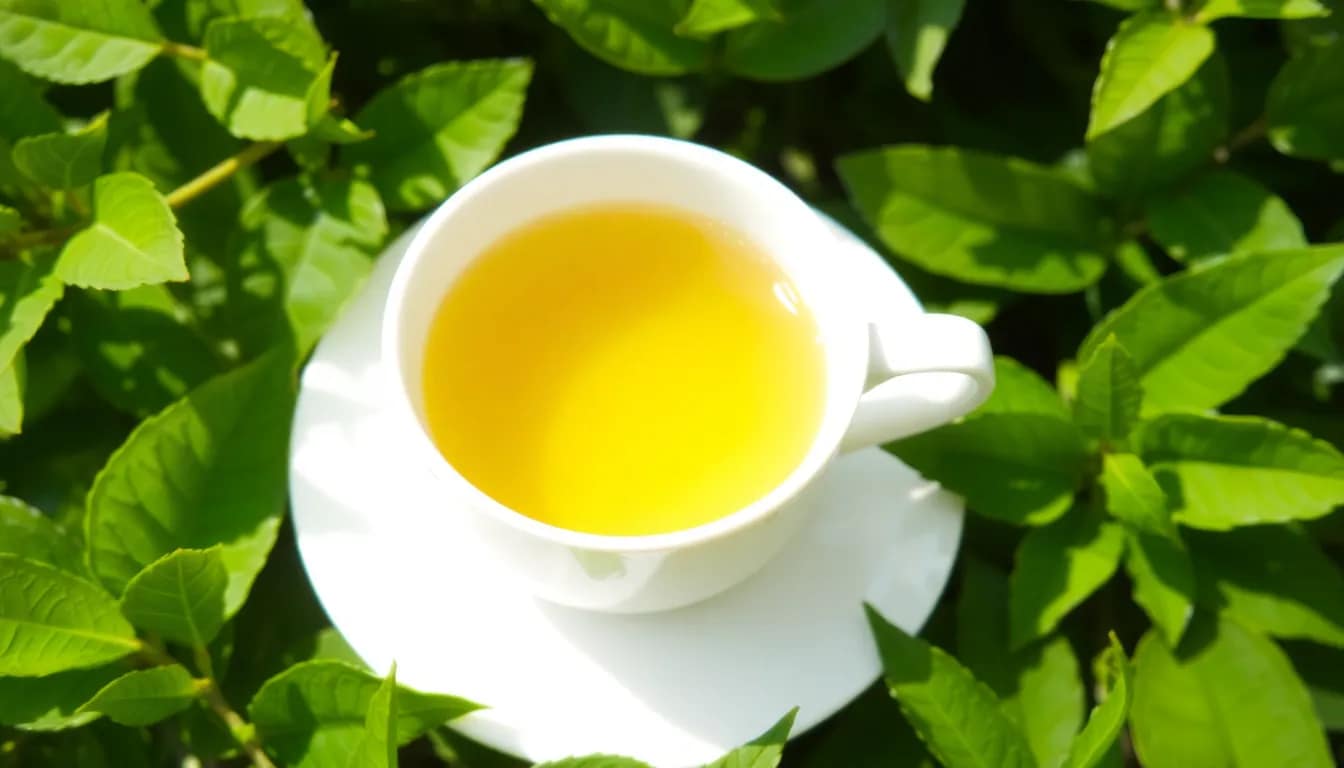
The Ultimate Guide to Savoring Unsweetened Green Tea
A great cup starts with respect for the leaf. When you treat unsweetened green tea right, you get a bright, clean profile—grassy notes with a subtle finish and no sugar needed. That clarity also comes with health perks, since green tea is rich in antioxidants that support your everyday wellness. For a quick read on the science, check trusted sources like NCCIH.
Taste is all about balance. With unsweetened green tea, you can train your palate to enjoy the natural sweetness and vegetal depth without added sugar. A few mindful tweaks to temperature and time reveal the cup you’re after, from crisp and lemony to mellow and earthy. The goal is to minimize bitterness while preserving freshness—so you can reach for tea all day, every day.
Understand the Flavor Profile – Bitter vs. Sweet
Think of the flavor journey as a spectrum. When brewed too hot or too long, tannins punch through and bring bitterness that masks the tea’s nuanced notes. If you dial down the heat and shorten the steep, you’ll taste brighter greens, a touch of sweetness, and a clean aftertaste. This is where unsweetened green tea shines: the absence of sugar lets the leaf’s character lead.
Common varieties show different personalities. A delicate sencha might present grassy, sea-air notes with a light sweetness, while a fuller, roasted style can lean toward nutty hints and a deeper finish. The trick is to pair the leaf’s natural traits with a brief, steady brew rather than forceful extraction. For a deeper dive into leaf styles, explore our Green Tea Varieties Guide.
Short scenario: you start with a good loose-leaf blend, heated water, and a 2–3 minute steep. If the cup tastes sharp at first sip, you likely brewed too hot or too long. Try a cooler start next time or shorten the steep by 30 seconds. You’ll notice a calmer sweetness and clearer aroma.
For health-minded drinkers, the appeal goes beyond taste. Green tea’s antioxidants are linked to a range of benefits, and choosing unsweetened keeps calories low. See reliable sources for context, such as NCCIH on green tea.
Brewing Tips – Ideal Temperature and Steeping Times
The simplest way to unlock flavor is precise control. Use the temperature window that preserves delicate notes without pulling harshness.
- 175°F to 185°F water is ideal for most premium loose-leaf greens.
- Steep for 2–3 minutes to extract flavor without bitterness.
- Use quality loose-leaf tea for best flavor, not bagged tea or stale leaves.
- Ito En unsweetened bottled teas: https://itoen.com/collections/bottled-tea-unsweetened/unsweetened
- Harney & Sons Organic Supreme Green Unsweetened Iced Tea: https://www.harney.com/products/organic-supreme-green-unsweetened-iced-tea-twelve-16-oz-bottles?srsltid=AfmBOoodGovJhGWApBdG_lin5QdYiwzuB7SAT8yY1zLEjiJFIzjNenNW
- For deeper flavor context, see credible health resources on green tea antioxidants: https://www.nccih.nih.gov/health/green-tea
- Additional reading on tea benefits from Mayo Clinic: https://www.mayoclinic.org/healthy-lifestyle/nutrition-and-healthy-eating/expert-answers/green-tea/faq-20058083
- Lemon or a splash of citrus juice heightens brightness without sweetness.
- Fresh mint, a thin slice of ginger, or a pinch of cinnamon can add warmth and depth.
- Light salads or lean proteins with herbs (thyme, parsley) complement the tea’s grassy notes.
If you’re new to this, start with a small tasting: 180°F, 2 minutes, a single teaspoon per cup of water. If you notice astringency creeping in, lower the temperature by 5–10 degrees and reduce the steep by 20–30 seconds on the next round. Over time, you’ll build a routine that matches your preferred intensity.
Real-world tip: after your brew, a quick squeeze of lemon or a thin slice of ginger can brighten the cup without sugar. If you drink tea with meals, try pairing your unsweetened green tea with light bites such as cucumber, citrus, or herbs to emphasize the tea’s fresh character.
External notes: premium brands often publish brewing guidance that aligns with these ranges. For example, bottled unsweetened options from Ito En and Harney & Sons showcase how temperature and leaf quality affect flavor even when you’re not brewing at home. See their quality-led approach here: Ito En unsweetened bottles, Harney & Sons unsweetened line.
Pairing Strategies to Enhance Taste
Pairing is a simple way to elevate unsweetened green tea without adding sugar. Brighten a cup with citrus for an immediate lift, or introduce gentle spice and herbs to round the palate.
If you want more flavor directions, tap into our Green Tea Varieties Guide for ideas on leaf profiles and brewing approaches. Internal link: https://teaart.in/green-tea-varieties-guide/
Real-world example: a morning routine might start with a 180°F brew for 2 minutes, then a twist of lemon and a mint leaf. The result is a refreshing, sugar-free wake-up that supports a mindful day. Another option is to brew a slightly stronger batch and sip it iced with a hint of citrus; unsweetened green tea remains versatile across seasons.
External sources confirm that blending taste with health is highly feasible when you choose quality leaves and mindful methods. For instance, Harney & Sons and Ito En demonstrate how leaf quality and brewing temperature influence aroma and sweetness even in unsweetened formats, while NCCIH and Mayo Clinic offer context on the health aspects of green tea. Explore these perspectives to refine your own routine and keep unsweetened green tea as a trusted daily ritual.
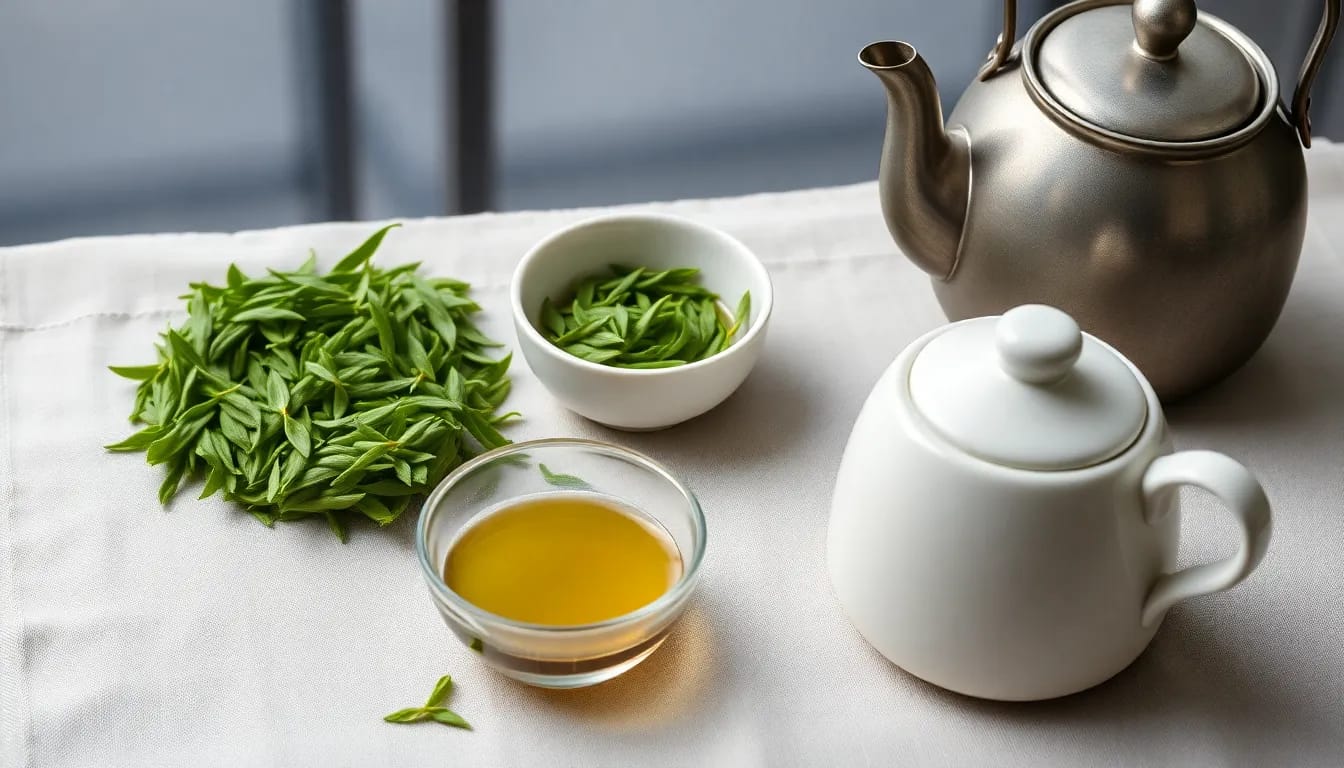
Final Verdict / Recommendation for Unsweetened Green Tea
Sipping unsweetened green tea provides a clean, refreshing experience that supports a mindful, health-forward routine. The big idea is simple: flavor comes from high quality leaves and careful brewing, not sugar. When you treat the cup as a small, deliberate ritual, the tea’s natural brightness and grassy depth come through clearly, with zero calories to weigh you down.
To make the most of it, start with a steady approach: use fresh leaves, heat water to about 175–185°F, and steep for 2–3 minutes with about a teaspoon per cup. If it tastes a touch sharp, ease back a notch on temperature or time. You can fine tune by leaf variety or by a brief rinse of the leaves to wake aromas. Gentle additions like a lemon twist, a mint leaf, or a whisper of ginger can lift the cup without adding sugar, letting the leaf’s character shine.
Quality matters. Premium loose-leaf tea delivers more nuanced sweetness and a cleaner finish than many bagged options. With consistent technique, unsweetened green tea becomes a reliable partner for energy, focus, and antioxidant benefits, all while staying sugar-free. The takeaway: you can cultivate a satisfying, everyday ritual that respects the leaf and your health goals, with Tea Art guiding you to the best blends and trusted brewing methods.
FAQ on Unsweetened Green Tea
How can I reduce the bitterness of unsweetened green tea?
Bitterness usually shows up when the brew is too hot or too long. Start cooler and briefer, then adjust gradually. Try 175–180°F for about 2 minutes, and use a bit less leaf if needed. Rinsing the leaves briefly before the main brew can also soften harsh notes. If you still sense bite, switch to a more delicate variety or blend and let the cup settle for a calmer aftertaste.
What is the best brewing method for unsweetened green tea?
A simple, repeatable method works best: loose leaf, not tea bags, in a trusted teapot or infuser. Heat to roughly 175–185°F, steep for 2–3 minutes, then remove the leaves to prevent over-extraction. Start with a single teaspoon per cup and adjust based on your preferred intensity. If you’re exploring, you can experiment with a gaiwan or a tiny, controlled pour to wake the aroma before the main brew.
Can unsweetened green tea help with weight management?
It can fit into a weight-conscious routine because it is calorie-free and caffeine-containing, which may offer a gentle energy boost. The real benefit comes from consistency and overall habits: staying hydrated, choosing unsweetened options, and pairing tea with balanced meals and activity. It’s a supportive piece of a broader wellness approach, not a standalone solution.
Is unsweetened green tea good for beginners?
Absolutely. Start with milder leaves and shorter steep times to build comfort. Use a predictable routine—same temperature, same duration—and add small flavor enhancers like lemon or a sprig of mint to ease in. As your palate adjusts, you can explore more nuanced varieties and find your preferred balance of brightness and depth.
How should I store unsweetened green tea to keep flavor?
Store leaves in a cool, dark place in an airtight container, away from light, moisture, and strong odors. Keep batches small enough to finish within a few weeks for maximum freshness. Proper storage protects the delicate green notes that define unsweetened tea and helps you taste the leaf as intended.