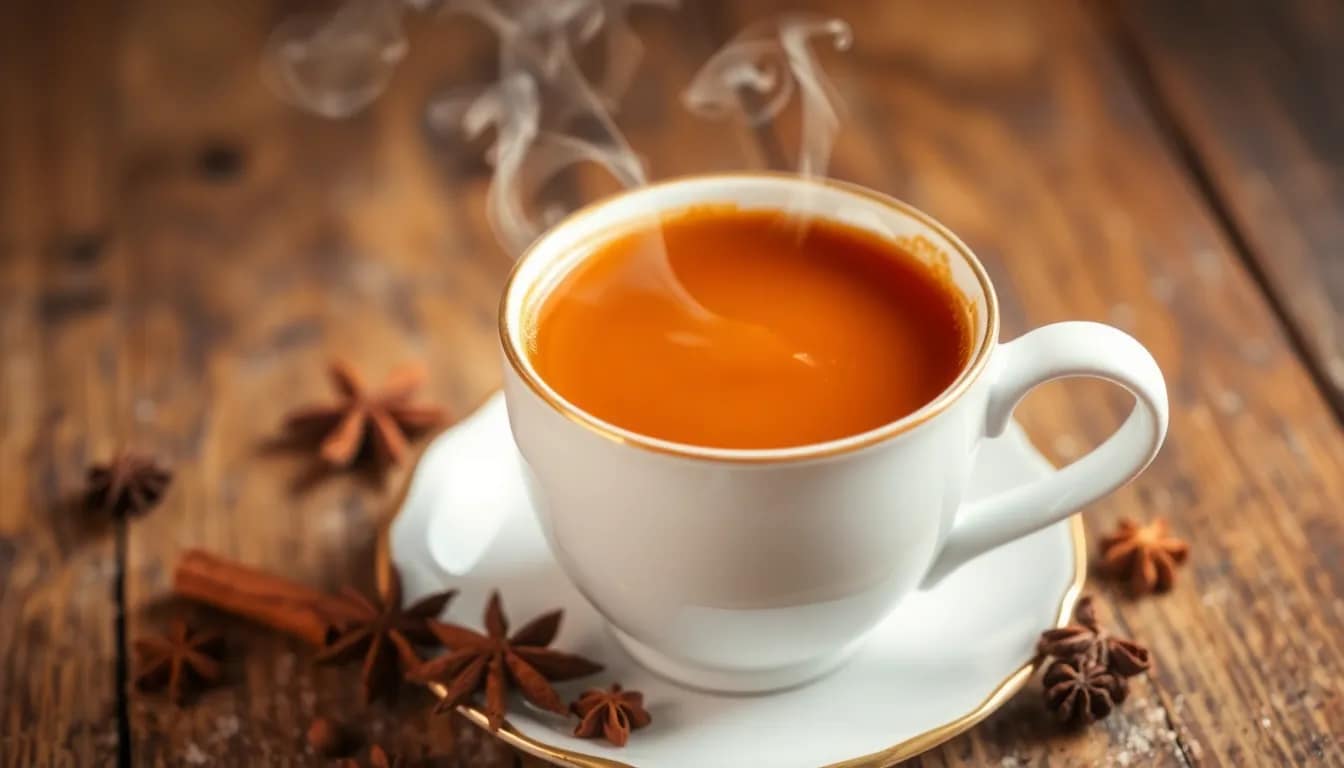
Chai tea vs chai latte—two beloved beverages, yet worlds apart. While chai tea bursts with traditional spices and rich history, chai latte offers a creamy twist that has made it a staple in coffee shops. Let’s delve into their unique differences and celebrate the cultural stories behind each sip!
Chai Tea vs Chai Latte: What’s the Difference?
Chai tea is a spiced blend made from rich black tea infused with aromatic spices like cardamom, ginger, and cloves, creating a sensory experience that warms the soul. In contrast, a chai latte combines the same spiced tea with steamed milk, resulting in a creamy, comforting drink that softens the bite of the spices. But beyond just ingredients, these drinks represent different worlds—one deeply rooted in Indian tradition and the other adapted for modern coffee culture.
Join me as we explore not only the technical differences between chai tea and chai latte but also the rich cultural context that makes chai tea a cornerstone of Indian hospitality. We’ll look at preparation methods, flavor profiles, and how you can recreate these experiences at home. Whether you’re a longtime chai enthusiast or just beginning to explore this aromatic world, understanding these nuances will elevate your tea journey! For those eager to learn more about tea and its myriad benefits, don’t miss our detailed guides here.
Understanding Chai Tea and Chai Latte
chai tea vs chai latte is a common question for readers who want clarity fast. If you prefer a classic spiced brew with minimal milk, chai tea offers that traditional punch. If you lean toward a creamy cup with foam, chai latte fits the bill.
Chai tea vs chai latte also reveals how culture shapes your cup. Beyond taste, the difference shows in preparation, serving style, and even the social moment around a cup. In this section we break down ingredients, flavor notes, and the steps to make each at home. For a quick overview, see a practical breakdown from a tea expert at Teapigs.
Ingredients and Flavor Profiles
- Chai Tea
- Base: strong black tea with a spice blend (cardamom, ginger, cinnamon, cloves)
- Flavor: bold, warming, peppery with citrus and sweetness from the spice mix
- Texture: light to medium body, no milk required
- Chai Latte
- Base: the same spice blend plus milk
- Flavor: creamy, sweetened, smoother with less bite from the spices
- Texture: rich and velvety due to steamed milk
- A traditional home brew can be built from fresh spices for a sharper profile. For a broader cultural view, see the masala chai tradition and how it contrasts with cafe style Masala chai vs chai latte
- If you want a nutrition angle, note that chai tea with milk differs from a latte in calories and sugar content. A typical cafe chai latte can run around 240 calories with sweetened milk, while pure chai tea with little or no milk is far lighter. See a concise comparison for context Chai tea vs chai latte nutrition.
- Chai Tea
- Steps: simmer water with water-based chai spices, add black tea, steep briefly, strain
- Serve: hot, plain or with a squeeze of lemon to brighten the spice
- Chai Latte
- Steps: brew a strong chai concentrate, steam milk until airy, combine with the concentrate
- Serve: hot or iced, often with foam and a sprinkle of spice on top
Real world cue: in a busy cafe, a barista may pull chai tea as a concentrate then dilute it with hot water, while a chai latte uses steamed milk and often extra foam. If you want a quick, expert take, check how chai tea compares to chai latte in cafe settings here.
Preparation Methods
A quick home setup tip: start with a spice blend you love. If you enjoy cardamom and ginger, you can tailor the mix to taste. For a traditional route, explore a ready masala chai blend or tea bags that capture the classic profile Masala chai tea bags.
| Aspect | Chai Tea | Chai Latte |
|---|---|---|
| Base | Spiced black tea | Spiced tea plus milk |
| Milk | Optional | Always included |
| Texture | Light to medium | Rich and creamy |
| Temperature | Typically hot | Hot or cold |
| Sweetness | Added by you | Often pre sweetened |
| Serving style | Straight cup | With steamed milk and foam |
The Cultural Significance of Chai
Chai carries ritual value beyond taste. In Indian towns, a cup of tea is a social moment shared with neighbors, family, and vendors. The chai wallah at a corner shop pours a precise mix of spice and tea, inviting conversation as much as sipping. This everyday hospitality contrasts with the cafe scene where chai is adapted into a latte form, a bridge to Western coffee culture. The shift highlights how a traditional drink travels and transforms while preserving its core warmth.
For readers looking to connect at home with tradition, try a masala blend packaged for quick use and pair it with a ritual of boiling water, spices, and tea as a small daily ceremony. If you want to dive deeper into the heritage side, you can explore traditional masala chai discussions and how they differ from cafe style Masala chai vs chai latte and read about how everyday tea moments become social rituals Teas and culture reference.
If you want a tangible path from culture to kitchen, visit our guide to authentic chai making and ingredient choices. The next sections will help you pick the version that fits your mood, your guests, and your pantry, while keeping the soul of chai intact.

Final Verdict / Recommendation for Chai Tea vs Chai Latte
For readers weighing chai tea vs chai latte, the choice centers on how you want spice and tea to meet your mood. If you value tradition and a bold spice profile, chai tea offers a purist experience. If you want a creamy, comforting cup with a café vibe, chai latte fits that craving.
When you weigh chai tea vs chai latte for a gathering, you can frame a simple plan. Serve the traditional brew alongside a creamy option so guests can compare rituals side by side. Both drinks share the same spice heart, but milk and texture steer the overall impression. Based on taste and context, the right pick often comes down to how much time you want to spend brewing and how you plan to serve it. You can start with a strong chai concentrate and offer hot water or milk on the side to let everyone tailor their cup. If you want a quick start, a ready masala chai blend from Tea Art can be a fit for home experiments and effortless hosting Masala chai tea bags. For a broader view, you can explore practical comparisons among credible sources The Spruce Eats, BBC Good Food and Healthline.
Bottom line: both drinks celebrate spice and warmth, but your choice mirrors how you want to drink it—leaning into tradition or embracing a creamy cafe experience. Either way, using quality ingredients makes a noticeable difference in aroma, balance, and satisfaction.
FAQ on Chai Tea vs Chai Latte
What are the main ingredients in chai tea?
Chai tea typically uses black tea as a base plus a spice blend like cardamom, ginger, cinnamon, and cloves. You can add a touch of sweetness if you like. Milk is not required, which keeps the cup brisk and bright. A few blends also include pepper or star anise for depth. For a quick at home version, a masala chai bag can give you a reliable starting point Masala chai tea bags.
Can chai latte be made with alternatives to dairy?
Absolutely. Almond milk, oat milk, soy milk, and coconut milk all work well. Some people even use coconut cream for extra richness. The trick is to steam the chosen milk to create a light foam and balance sweetness with the spice. You can keep the same chai concentrate and just swap the milk to tailor the drink to dietary needs or preferences.
How do the health benefits compare?
Chai tea brings caffeine from black tea along with antioxidant compounds from the spices. When you add milk to make chai latte, you gain calcium and protein, but you may also add calories and sugar if it’s pre sweetened. The spice profile can aid digestion and inflammation relief in small amounts, especially with ginger and cinnamon. If you watch sugar and consider unsweetened versions, both drinks can fit into a mindful routine.
Is chai tea always caffeinated?
Most traditional chai tea uses black tea, so it carries caffeine. If you choose a decaf black tea or a green tea base, you can reduce or avoid caffeine while keeping spice notes intact.
How can I sweeten these drinks without overdoing sugar?
Try reducing sugar and letting the natural sweetness of the spices come through. You can also use a small amount of jaggery, honey, or maple syrup. Another option is to rely on ripe dates or a splash of vanilla to round flavors without piling on sugar.
The cup you reach for is a personal ritual, not a rule. Both versions invite exploration, aroma, and connection with the people around you.