
Unlocking the secret to a happier gut might just come down to your next cup of green tea. With its rich array of polyphenols, green tea for digestion isn’t just a buzzword—it’s a comforting solution for anyone battling occasional bloating or discomfort.
How Does Green Tea Aid Digestion?
Digestion woes can turn your day upside down, leaving you searching for relief. Enter green tea, known for its gentle yet powerful impact on gut health. The polyphenols within this vibrant brew work to soothe inflammation and enhance nutrient absorption, making it a go-to companion for your digestive system.
But it’s not all about the science; sipping green tea can also be a warm, calming ritual after a long day of rich meals. Whether you’re feeling a little heavy after lunch or just want to support your overall gut health, this tea offers a dual benefit—comfort and nourishment.
Stay tuned as we explore practical tips on brewing the perfect cup of green tea to maximize its digestive benefits. From steeping times to specific blends designed for warmth and comfort, we’ll guide you every step of the way to make your tea experience enjoyable and beneficial. Get ready to discover not just the “how,” but the heart that makes this simple drink a powerful ally for your digestive health.
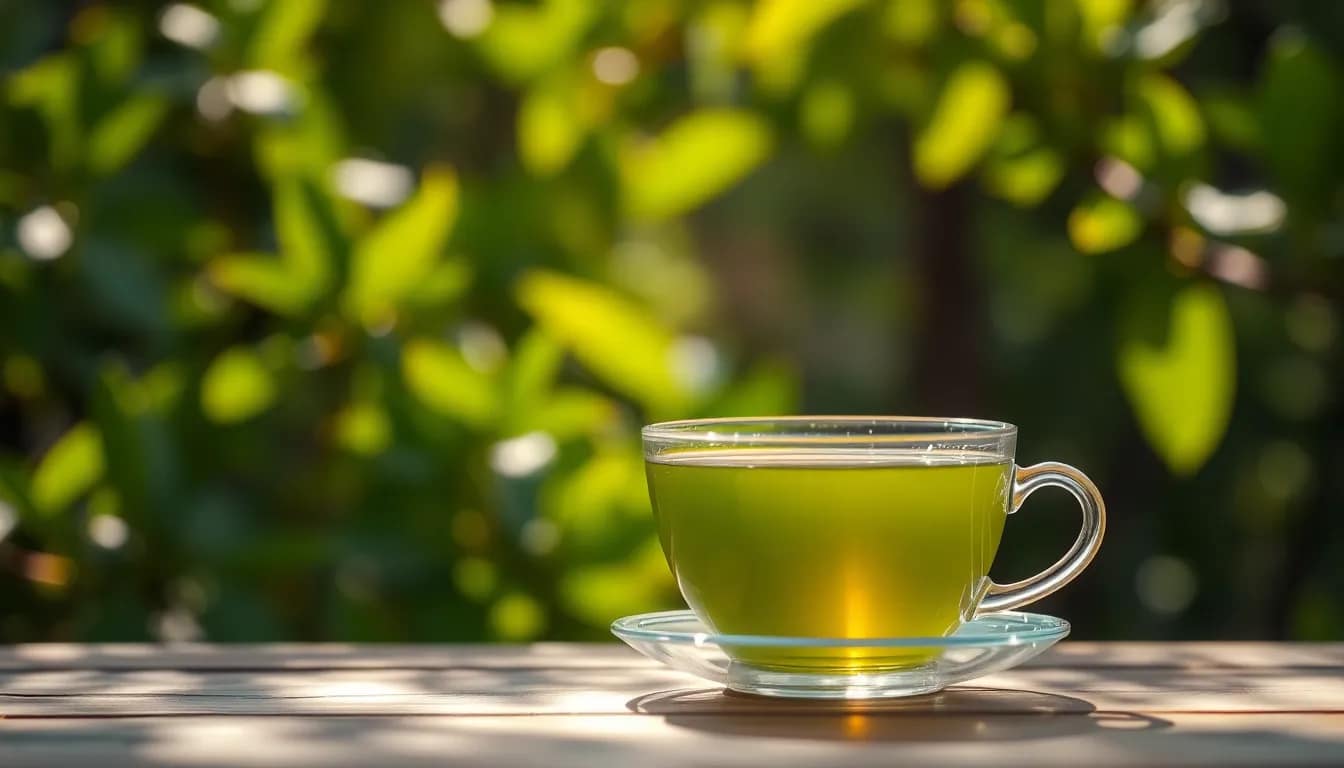
Your Guide to Brewing Green Tea for Optimal Digestion
Green Tea for Digestion starts with the brew. Its polyphenols calm the gut while caffeine and hydration support transit. The right water temp and steep time unlock sweetness and minimize bitterness, making a cup that actually helps after meals.
If digestion feels off after a heavy meal, a warm cup can bring comfort. Green Tea for Digestion benefits come from polyphenols that ease inflammation and aid nutrient uptake. A gentle, well timed brew delivers these compounds without a harsh bite. A few mindful tweaks turn a simple ritual into a gut friendly habit you can rely on.
Perfect Steeping Time
Small changes in steeping can change the whole experience. For digestion, you want balance between extraction and gentleness. Here’s how to tailor your brew to your tea type and mood.
- Gyokuro lovers: use cool water for a softer note. 50–60 C, 2–3 minutes.
- Delicate Sencha: a short spell to keep the vegetal sweetness. 70–80 C, 1–2 minutes.
- Dragon Well Longjing: bright but easy on the stomach. 75–80 C, 2–3 minutes.
- Genmaicha: comforting and toasty. 80 C, 2–3 minutes.
- Bancha: straightforward after a big meal. 80 C, 2–3 minutes.
Here is a quick table to keep on hand when you shop or brew.
| Tea Type | Temperature (°C) | Steeping Time (min) |
|---|---|---|
| Sencha | 70–80 | 1–2 |
| Dragon Well Longjing | 75–80 | 2–3 |
| Genmaicha | 80 | 2–3 |
| Bancha | 80 | 2–3 |
If you want a digestion friendly option, look for blends described as mild and soothing. Spice Blend Green Tea is a popular pick for warmth and stomach comfort. Brew light and sip slowly after meals to avoid pressure from too much tannin.
Choosing the Right Blend
Your blend choice sets the mood for digestion and comfort. After a heavy lunch, a gentle cup with natural warmth helps the body settle. Spice blends that include ginger, cinnamon, or peppermint can support gut calm without overpowering the main tea notes. Start with 1 teaspoon per 8 ounces of water and adjust based on taste and tolerance.
For daily routine, a steady, predictable brew helps a lot. If you’re new to premium greens, start with a classic Sencha or Dragon Well and move toward blends that emphasize mild spice or mild mint. The goal is a cup that’s easy to drink and easy on the stomach, not astringent or bitter.
If you’re curious about how digestion and weight management connect, check our guide on Green Tea for Weight Loss. It explores how regular, measured use fits into a balanced routine.
External insights you can trust add context to your practice. Research points to antioxidant polyphenols in green tea that support gut health and inflammatory balance. A broader health perspective highlights ongoing benefits and everyday use.
Internal note for readers who want more science yet clear language: the polyphenols in green tea, notably catechins, interact with gut lining and microbiota to modulate inflammation. Translation: a calmer gut and steadier nutrient absorption after meals. For a quick, readable summary of how these compounds work, see the linked sources above.
A practical tip you can try tonight: brew the Spice Blend Green Tea for a post meal cup, but keep the steep time on the shorter side. The warmth and spice can help with stomach comfort, while the tea’s polyphenols support digestion over the long haul. If you’re experimenting, note how your body responds—small, consistent changes beat big shifts.
Exploring polyphenols in Green Tea brings more than flavor. The anti-inflammatory action and microbiome support translate into tangible benefits you can feel. In our next section, we’ll break down how to maximize these benefits with simple habits you can keep daily. And if you want to see more ways green tea supports well being, visit our deeper dive on weight management linked above.
Final Verdict on Green Tea for Digestion
Green Tea for Digestion offers a steady, reassuring ally for a sensitive stomach. When brewed well, the polyphenols in green tea help ease inflammation and support the gut’s lining, while hydration and gentle caffeine can aid transit after meals. The result is a cup that calms discomfort without adding bitterness or strain.
The practical takeaway is simple: pair mindful brewing with small, consistent habits. A post‑meal cup—especially a mild Spice Blend Green Tea—can provide warmth and comfort that complements a balanced diet. This isn’t a miracle cure, but it is a dependable part of a gut‑friendly routine. For those exploring broader benefits, you can explore how regular, measured use fits into a wellness plan like weight management, which aligns with the broader benefits of Green Tea for Digestion.
For deeper context, credible sources highlight how green tea’s polyphenols interact with gut microbiota and inflammatory pathways, supporting gut health in tangible ways. See trusted discussions on digestion, polyphenols, and daily use in resources beyond the blog:
Taken together, the message is clear: Green Tea for Digestion can be a comforting, practical addition to your day when you respect the tea’s gentle nature and your own tolerance. Brew for warmth, sip mindfully, and let small, steady routines support gut comfort over time.
What to carry forward is this balance—enjoy the ritual, care for your gut, and use green tea as a calm, supportive habit rather than a quick fix. The quiet consistency of a well‑made cup can be a meaningful part of your digestive wellbeing.
FAQ on Green Tea for Digestion
How often should I drink green tea for digestive benefits?
If you’re not sensitive to caffeine, 1–3 cups a day after meals is a sensible range. Start with one cup, observe how your stomach feels, then adjust. Avoid chugging large amounts during a single sitting, especially on an empty stomach.
Can green tea help with bloating?
Many people notice a reduction in bloating with regular, gentle use. The anti‑inflammatory polyphenols support gut comfort, and the extra hydration helps. If caffeine bothers you, choose decaf options or have tea earlier in the day.
What type of green tea is best for digestion?
Choose milder, easy‑on‑the‑stomach varieties like Sencha, Dragon Well, Genmaicha, or a Spice Blend Green Tea with gentle warming notes. Avoid very strong or bitter brews right after meals. Adjust steeping to a lighter extract if you’re new to green tea.
Is it okay to drink green tea with meals?
A small cup after eating can aid digestion, but very tannic brews can slow iron absorption in meals rich in iron. If you’re concerned about iron, sip green tea between meals.
Are there side effects or who should avoid green tea for digestion?
Those sensitive to caffeine, pregnant or nursing individuals, and people with certain iron absorption issues should moderate intake. If you have a medical condition or take iron supplements, check with a clinician about timing and amount.