
Choosing the right tea can significantly impact your skin health. If you’ve been wondering which green tea is best for skin, understanding the benefits of various types is essential for enjoying optimal results.
Which Green Tea is Best for Skin?
Green tea is celebrated for its rich antioxidants, particularly catechins, which are known to fight free radicals and reduce skin inflammation. However, not all green teas are created equal. When looking for the best green tea for skin, factors like processing methods, quality, and specific varieties can make a noticeable difference.
You might be surprised to learn that lower-processed teas, such as matcha or Gyokuro, often pack more nutrients compared to heavily processed options. These teas not only boost skin health but can also enhance your overall well-being.
In this article, we’ll explore the different types of green tea, highlighting their unique benefits for skin health and providing guidance on how to choose the best option for your needs. We’ll also delve into practical tips on brewing and incorporating these teas into your skincare routine, ensuring you maximize the rejuvenating properties of this powerful beverage. Curious about the ideal green tea selection for your skin? Let’s dive in!
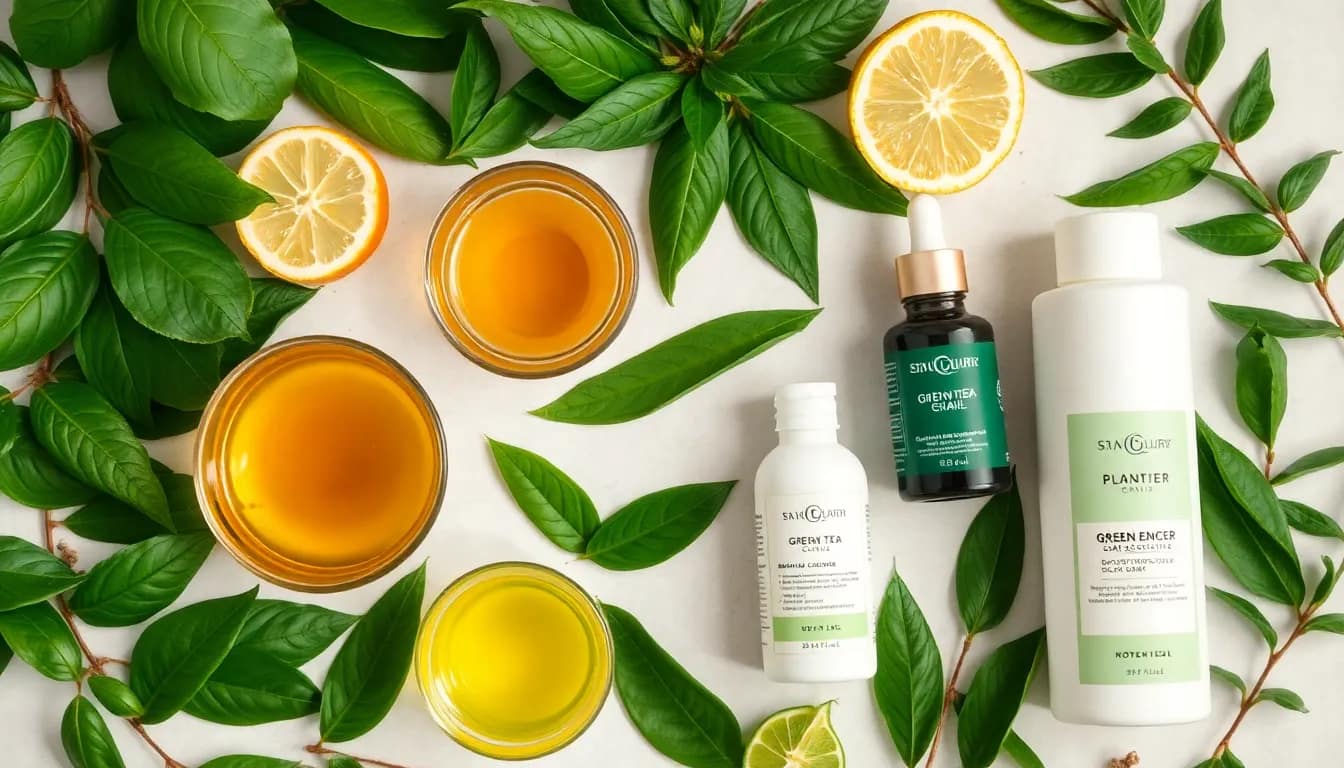
Guide to Choosing the Best Green Tea for Skin
If you’re wondering which green tea is best for skin, you’re not alone. Antioxidants in green tea help support skin health, but not all leaves deliver the same benefits. The best option depends on processing, quality, and how it’s grown. Understanding these factors helps you pick a tea that suits your skin goals.
Knowing which green tea is best for skin starts with the science behind catechins and polyphenols. Teas that are less processed tend to preserve more of these compounds, which support collagen, reduce inflammation, and protect against sun damage. In practice, your choice affects glow, texture, and resilience against environmental stressors. With the right pick, you’ll see a kinder, more balanced skin response over time.
Key Components for Skin Benefits Antioxidants, Polyphenols
- Catechins as the core powerhouses, with EGCG leading the way. They combat free radicals and soothe redness.
- Polyphenols that help calm irritation and support skin hydration without overdriving oils.
- Theanine and caffeine in balance. The right mix can support steady energy while aiding a calm complexion.
Best Types of Green Tea for Skin Matcha, Sencha, Gyokuro
- Matcha: Ground whole leaf gives a dense punch of catechins. Great for daily routines when you want a bright complexion and sustained antioxidant support.
- Sencha: Steamed leaves preserve bright green color and solid catechin levels. A versatile daily option that suits many skin tones.
- Gyokuro: Shade-grown plants boost theanine and antioxidants. A gentler, more refined option that’s easy on sensitive skin.
Comparison table of top green teas for skin health
| Type | Benefits for skin health |
|---|---|
| Sencha | Balanced catechins, good all-round skin benefits |
| Gyokuro | Rich in theanine, calmer energy, strong antioxidant protection |
Brewing Tips for Maximum Skin Benefits
- Choose high quality leaves or ceremonial grade blends for the most nutrients.
- Water temp around 70–80°C keeps delicate polyphenols intact and avoids bitterness.
- Steep time 1–3 minutes depending on the variety. Shorter for a bright lift, longer for deeper extraction.
- Use a clean, pre-warmed cup to prevent temperature shocks that dull the benefits.
- Brew fresh daily. Store tea away from light and heat to preserve catechin levels.
- For skin-friendly routines, pair brewing with a light morning cleanse and a glass of water to support hydration.
- Want a deeper energy and skin-benefit combo? Our guide on green tea for morning energy offers practical tips you can apply now,
For skin first routines, start with a single reputable green tea and observe how your skin feels over two weeks. A few mindful swaps can reveal which green tea is best for skin for your unique complexion and daily rhythm. If you’re curious about how to weave these brews into your calm-skincare ritual, experiment with one variety at a time and track changes in glow, hydration, and comfort.

Final Recommendation for Which Green Tea is Best for Skin
When you ask which green tea is best for skin, the answer depends on your goals and how you brew it. In general, choose a high-quality, less-processed leaf to maximize catechins and polyphenols. For many, matcha offers the strongest skin-support due to its dense antioxidant load, while sencha provides a reliable balance for daily routines. Gyokuro can be ideal if you want a calmer energy lift with potent protection.
Your skin responds differently to each type. If you want bright radiance and robust protection, start with ceremonial-grade matcha or premium sencha. If you have sensitivity or prefer a gentler daily ritual, Gyokuro is a thoughtful choice. The bottom line is to align your pick with both your skin goals and how you prefer to enjoy tea. For a practical path, read up on how green tea can fit into a morning-energy routine here.
Brewing matters, too. Quick, mindful brewing at lower temperatures preserves the polyphenols that support skin health and keeps bitterness at bay. Pair your tea with good hydration and a consistent skincare routine to amplify benefits.
For deeper guidance and product ideas, explore reputable sources on green tea benefits and skin health:
- Healthline: https://www.healthline.com/nutrition/green-tea-benefits
- Medical News Today: https://www.medicalnewstoday.com/articles/322826
- WebMD: https://www.webmd.com/diet/slideshow-green-tea-benefits
Final takeaway: there isn’t a single “magic” green tea for every complexion. By prioritizing quality, choosing a variety that fits your skin goals, and brewing with care, you’ll maximize skin-supporting compounds and enjoy a soothing, yogic daily ritual. Your best choice is the green tea that you can sustain with consistency and mindful preparation.
FAQ on Which Green Tea is Best for Skin
Can green tea help with acne?
Yes. The antioxidants and anti-inflammatory compounds can support a calmer complexion and may reduce redness. Drinking it regularly, alongside a skincare routine, can contribute to gentler skin over time.
Is matcha better than regular green tea for skin?
Matcha often delivers more catechins per cup, which can boost antioxidant protection. But it also has more caffeine. If you tolerate caffeine well, matcha can be a potent skin ally; if you’re caffeine-sensitive, sencha or gyokuro can offer substantial benefits with a milder profile.
How often should I drink green tea for skin benefits?
A practical range is 1–3 cups daily. Spacing them through the day helps maintain a steady supply of antioxidants. If caffeine affects sleep, limit afternoon cups or opt for decaf options.
Does brewing temperature affect skin benefits?
Absolutely. Higher temps can degrade delicate polyphenols and increase bitterness. Aim for about 70–80°C (158–176°F) to preserve the active compounds that support skin.
Can you apply green tea topically for skin benefits?
Topical forms and cooled brewed tea can soothe irritation and provide polyphenols to the surface. However, drinking green tea offers systemic benefits. A simple approach is to combine both: a skin-friendly topical routine and regular tea consumption.