
Green tea for weight loss has gained attention for its potential to boost metabolism and support fat oxidation. With prominent components like EGCG and caffeine, many wonder how effective it can truly be for achieving weight loss goals. Let’s explore the evidence-based benefits and practical strategies to make green tea a daily ally.
How Does Green Tea Aid in Weight Loss?
Green tea is rich in catechins, particularly epigallocatechin gallate (EGCG), which are known to enhance fat oxidation and improve metabolic rates. Studies suggest that regular consumption of green tea can increase your resting metabolic rate by approximately 3-4%, making a significant difference over time when combined with a balanced diet. However, it’s crucial to understand its role in the broader context of caloric balance; there’s no such thing as a miracle cure.
Integrating green tea into your daily routine doesn’t need to be complicated. With a few simple steps, you can maximize its benefits while enjoying a delicious beverage. In this guide, we’ll break down the optimal dosage, the best brewing methods, and how to weave green tea seamlessly into your lifestyle. Plus, we’ll introduce you to some high-quality options that can serve as your go-to daily staple rather than just a passing trend. For more insights on choosing the right tea, check out our buying guide.
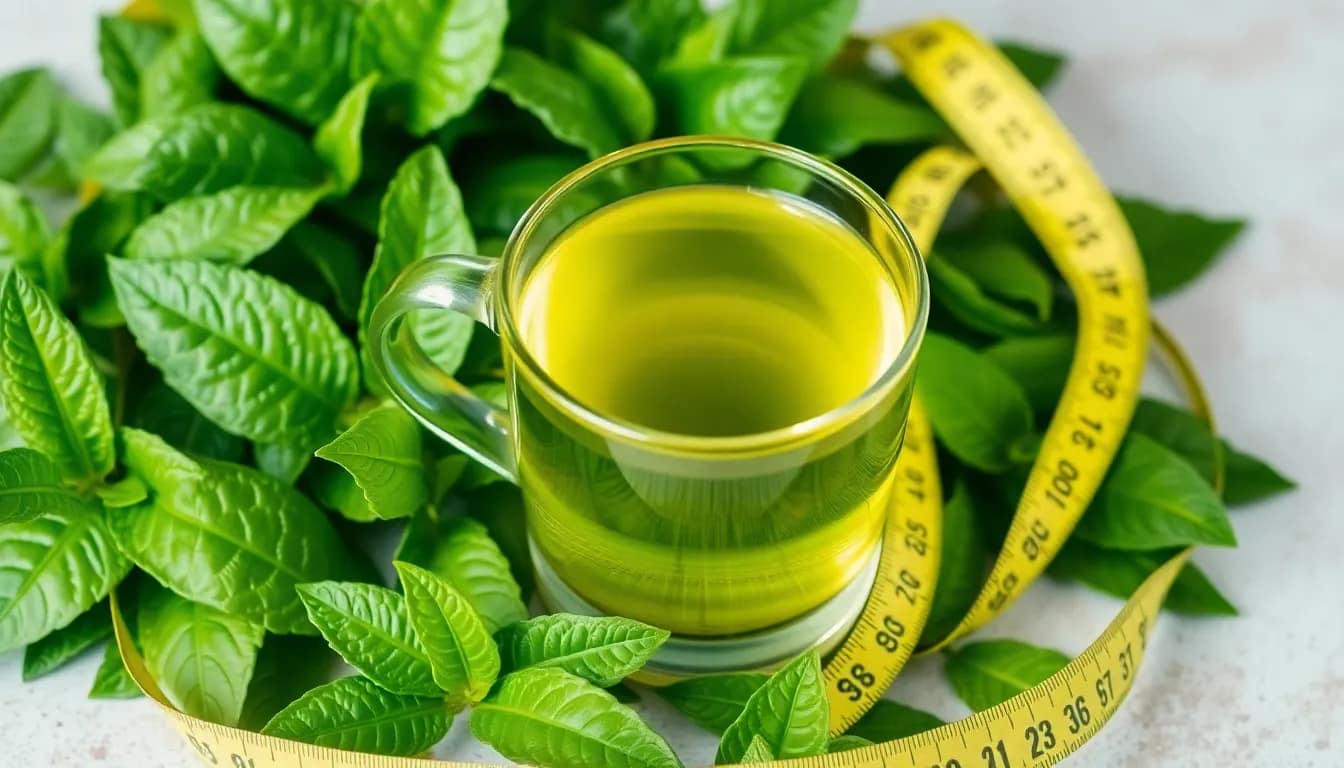
Optimal Green Tea Dosage for Weight Loss
Green Tea for Weight Loss hinges on two ingredients: EGCG and caffeine. Taken consistently, they can nudge fat oxidation and support a modest boost in daily energy expenditure. The best‑supported daily target is about 250–300 mg EGCG, which typically comes from 2–3 g of loose leaf green tea split across 2–3 cups. This keeps caffeine intake reasonable for most people.
For many readers, the goal feels realistic when planned around meals and workouts. Green Tea for Weight Loss works best as a steady habit, not a one‑cup wonder. Pair it with a balanced diet and regular activity, and the small metabolic lift adds up over weeks rather than days. In practice, aim for 2–3 cups per day, spread out so caffeine lands at convenient times rather than late in the evening. For clarity on choosing quality tea and blends, see Tea Art’s buying guide.
Recommended Serving Size of Green Tea for Weight Loss
- Target daily EGCG: 250–300 mg. Total loose leaf needed: about 2–3 g per day, depending on the variety.
- Cup plan: 2–3 cups daily. If you brew two cups, use roughly 1–1.5 g per cup; for three cups, about 0.7–1 g per cup.
- Caffeine frame: expect roughly 20–35 mg caffeine per cup, varying with leaf type and brew duration. If you’re caffeine‑sensitive, start with the early‑day cups only.
Brewing Instructions
- Water: 80–85°C (just shy of a full boil) to preserve delicate catechins and aroma.
- Tea amount: 0.7–1 g per 250 ml cup for a 2–3 cup daily plan; adjust to taste.
- Steep time: 2–3 minutes for each cup. Longer steeping boosts bitterness and caffeine but not EGCG proportionally.
- Multiple brews: reuse leaves once or twice; EGCG content drops with each subsequent brew.
- Enhancements: a squeeze of lemon can boost vitamin C and help with taste. Avoid adding sugar if you’re aiming for a weight‑control edge.
- Quick example: heat water to 85°C, steep 1 g in 250 ml for 3 minutes, strain, and enjoy within the hour.
Comparison Table — Brew Time, Water Temp, & Caffeine Content
| Brew Time | Water Temperature | Estimated Caffeine per Cup |
|---|---|---|
| 2–3 minutes | 80–85°C | 20–35 mg |
| 3–4 minutes | 80–85°C | 25–40 mg |
| 4–5 minutes | 85°C+ (careful) | 30–45 mg |
Integrating Green Tea into Your Daily Routine
A practical 7‑day routine helps lock in the habit without turning it into a slog. Start with two cups on workdays and add a third after exercise or later in the day if caffeine tolerance allows. Pair each cup with a meal or a specific window to improve adherence.
- Day 1–2: breakfast cup with oats or paratha, mid‑morning lift.
- Day 3–4: after‑lunch cup, then a pre‑workout sip.
- Day 5–7: one cup pre‑workout, one with dinner, and one in the evening only if you tolerate caffeine well.
To support long‑term consistency, choose a trusted loose‑leaf option or a metabolism‑focused blend. For a broader view of how different teas support wellness, see Tea Art’s white‑tea benefits page.
Final takeaway: Green Tea for Weight Loss offers a modest, science‑backed boost when you brew it right and place it within a calorie‑aware routine. It’s a steady companion, not a magic pill—and with consistent practice, those small daily benefits compound over time. For many, a dependable loose‑leaf ritual becomes the hinge of a sustainable wellness plan.
Final Verdict on Green Tea for Weight Loss
Green Tea for Weight Loss offers a modest but meaningful edge when paired with a sensible daily routine. The combination of EGCG and light caffeine can support fat oxidation and a small uptick in energy expenditure. The consensus target is about 250–300 mg EGCG daily, which usually comes from 2–3 g of loose leaf green tea across 2–3 cups. The payoff is gradual: think steady progress over weeks rather than dramatic drops in the scale.
In practice, it’s about consistency and context. Use Green Tea for Weight Loss as a calm, daily habit—around breakfast or after workouts—while you follow a balanced diet and stay active. The thermogenic boost is small (roughly 3–4% higher resting metabolic rate on average), but when added to good habits it compounds over time. A simple rule: 2–3 cups per day, spread out to avoid caffeine late in the day.
Choose quality tea and a mindful brew. Heat water to about 80–85°C and steep just enough to extract the catechins without bitterness. If you drink it daily, you’re building a reliable anchor in your wellness routine. For practical ideas and guidance on selecting blends, you can explore Tea Art’s resources and wellness inspirations (internal link). See: https://teaart.in/white-tea-benefits/
Real-world takeaway: Green Tea for Weight Loss isn’t a magic pill, but a steady companion that fits into real life. When you treat it as part of a broader plan—balanced meals, regular movement, and mindful snacking—the small, steady benefits add up. The key is consistency and choosing a high-quality loose-leaf option you enjoy.
Final thought: Green Tea for Weight Loss earns its place as a dependable daily ritual when paired with healthy choices. It supports your goals without demanding perfection. The balance between science, habit, and taste is what makes it a durable part of a sustainable wellness plan.
FAQs About Green Tea for Weight Loss
1. How should I drink green tea to lose weight?
Green tea can be enjoyed as part of a healthy weight loss routine by drinking it without added sugar or high-calorie ingredients. Many people prefer having green tea between meals or 30 to 60 minutes after eating.
For better results, combine green tea with a balanced diet, regular exercise, enough sleep, and proper hydration. Green tea may support metabolism, but it cannot replace healthy lifestyle habits.
2. Can I lose weight if I drink green tea every day?
Drinking green tea every day can support your weight management goals, but it is not a standalone weight loss solution. Green tea contains catechins like EGCG and a small amount of caffeine, which may help support metabolism and fat oxidation.
The amount of weight you lose depends on your overall diet, activity level, calorie intake, and consistency.
3. How much weight can I lose in 1 month by drinking green tea?
The weight loss from green tea alone is usually small and varies from person to person. While green tea may slightly support metabolism, significant weight loss requires maintaining a calorie-controlled diet and regular physical activity.
Think of green tea as a helpful addition to your routine rather than a quick fix for losing weight.
4. What is the best time to drink green tea for weight loss?
There is no single perfect time to drink green tea for weight loss, but popular choices include:
- Morning after breakfast
- Between meals
- Before a workout
- 30 to 60 minutes after lunch
Avoid drinking too much green tea late at night if caffeine affects your sleep.
5. Does green tea help reduce belly fat?
Green tea does not specifically target belly fat, as no food or drink can burn fat from only one area of the body.
However, the catechins and caffeine in green tea may support overall fat metabolism when combined with healthy eating and regular exercise. Over time, overall fat loss can include the abdominal area.
6. Can I drink green tea on an empty stomach?
Some people can drink green tea on an empty stomach without problems, while others may experience acidity, nausea, or stomach discomfort.
If you have a sensitive stomach, try drinking green tea after breakfast or a light snack instead.
7. How many cups of green tea should I drink a day for weight loss?
For most healthy adults, 2 to 3 cups of green tea daily is a common amount to include in a wellness routine.
Drinking more does not necessarily mean faster weight loss. Too much green tea may increase caffeine intake and cause issues like restlessness or digestive discomfort.
8. Is green tea better hot or cold for weight loss?
Both hot and cold green tea can be part of a healthy weight loss routine. The main benefits come from the tea itself, especially its antioxidants and catechins, rather than the temperature.
Choose the version you enjoy most, as consistency matters more than whether it is hot or cold.
9. Can I drink green tea before bed for weight loss?
Drinking green tea before bed is not usually recommended for everyone because it contains caffeine, which may affect sleep quality.
Since good sleep plays an important role in healthy weight management, it is often better to enjoy green tea earlier in the day.
10. What type of green tea is best for weight loss?
High-quality green teas like matcha, sencha, and loose-leaf green tea are popular choices because they contain natural catechins.
Matcha may contain higher levels of antioxidants because it uses the entire tea leaf. However, the best green tea is one you enjoy and can consistently include in your daily routine.
11. What happens if I drink green tea for 30 days?
Drinking green tea consistently for 30 days may help increase your antioxidant intake, support hydration, and become a healthier alternative to sugary drinks.
Some people may notice improved energy or better digestion, but weight loss results depend mostly on overall lifestyle habits.