Oolong tea vs green tea presents an intriguing comparison that highlights critical differences in oxidation, health benefits, flavor profiles, and brewing techniques. Understanding how these two popular tea types differ is essential for making informed choices about your next cup. Let’s delve into the distinctions that matter most.
Oolong Tea vs Green Tea: A Comprehensive Comparison
Oolong tea is partially oxidized, while green tea is not oxidized at all. This key difference plays a significant role in determining their flavor profiles, health effects, and ideal brewing methods. For instance, while green tea retains a fresh, grassy flavor, oolong offers a wide range of tastes, from floral to toasty, depending on its oxidation level.
But why does oxidation matter? Simply put, it affects the biochemical composition of the tea leaves. Oxidation alters the levels of catechins—powerful antioxidants—resulting in unique health benefits and flavors. In this guide, we’ll explore a detailed oxidation timeline that spans from 0% oxidation in green tea to 100% in black tea, illustrating how oolong tea fits in as a versatile middle ground.
We’ll also provide a comprehensive health and flavor matrix that connects oxidation percentage with key attributes like caffeine content and taste notes. This will help you choose the ideal tea for your health goals and personal preferences. Curious to learn more? Dive into the nuanced world of oolong and green tea and discover which option is right for you. Explore our premium offerings while you’re at it: Discover Tea Art’s Oolong Selection.
Oolong Tea vs Green Tea: Key Differences
Oolong tea and green tea differ mainly in oxidation, flavor, and preparation. Green tea is minimally processed to preserve its fresh, vegetal character, while oolong tea is partially oxidized, creating a broader range of floral, fruity, toasted, and roasted flavors. Both contain caffeine and beneficial tea polyphenols, but their exact composition depends on the leaves and brewing method.
| Feature | Oolong Tea | Green Tea |
|---|---|---|
| Processing | Partially oxidized | Minimally oxidized |
| Flavor | Floral, fruity, creamy, toasted, or roasted | Fresh, grassy, vegetal, or subtly sweet |
| Caffeine | Varies by tea and brewing method | Varies by tea and brewing method |
| Antioxidants | Contains catechins and other polyphenols; composition varies with processing | Contains catechins, including EGCG |
| Potential health benefits | Studied for potential metabolic and cardiovascular effects | Studied for potential metabolic and cardiovascular effects |
| Weight management | May contribute as part of a balanced diet | May contribute as part of a balanced diet |
| Typical brewing temperature | Around 85–95°C, depending on the style | Around 70–85°C, depending on the style |
| Typical steeping time | Around 1–5 minutes, depending on the leaves | Around 1–3 minutes, depending on the leaves |
| Multiple infusions | Many traditional oolongs can be steeped several times | Some green teas can also be steeped multiple times |
| Best for | Drinkers who enjoy layered, complex flavors | Drinkers who prefer fresh, lighter flavors |
Which is better? Neither tea is universally better. Choose green tea if you prefer fresh, grassy flavors, or oolong tea if you enjoy more complex and varied flavor profiles. For caffeine, health benefits, and weight management, the specific tea and your brewing habits matter more than the category alone.
The Oxidation Process Explained
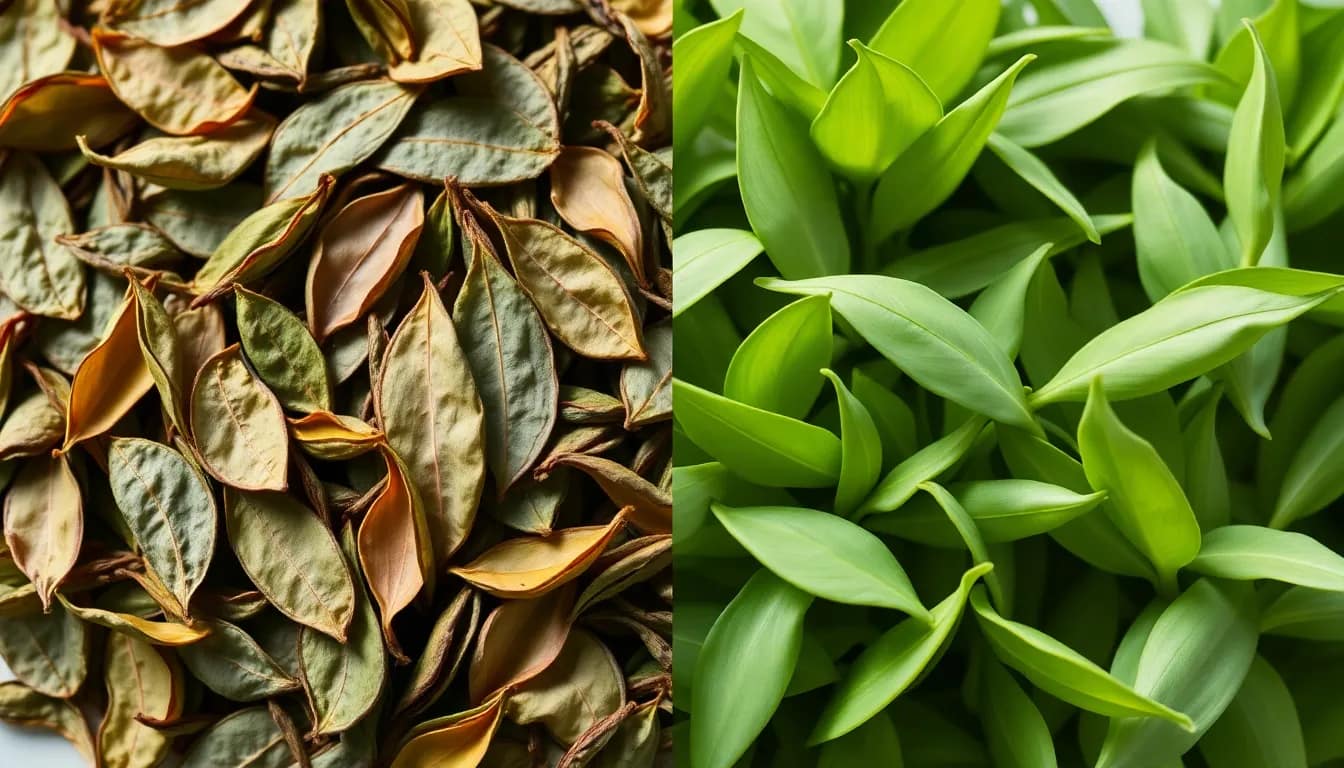
Understanding oolong tea vs green tea comes down to one lever: oxidation. In plain terms, oxidation is the enzymatic reaction leaves undergo when exposed to air, altering color, aroma, and taste. Green tea is barely oxidized, so you taste fresh, grassy notes and a high concentration of catechins. Oolong tea is partially oxidized, placing it between green and black on the spectrum and delivering a broader flavor range. This difference matters for health effects, caffeine behavior, and how you brew. In this section, we’ll anchor the discussion in tea‑plant biochemistry and show how oxidation shapes every cup. For context on sourcing and quality, Tea Art’s standards back up the science with real‑world practice.
Ex: imagine a quick glance at the oxidation map: green at 0%, oolong in the 30–70% band, and black at 100%. The shift isn’t just color; it’s a cascade of molecular changes that alters antioxidants, flavor precursors, and even caffeine release. If you’re chasing a specific profile—bright and fresh or deep and robust—this oxidation choice guides your entire tasting plan.
The Oxidation Timeline (0% to 100%)
Graphic (textual visualization)
0% oxidation → Green tea (fresh, grassy, delicate)
30–70% oxidation → Oolong tea (range from floral to toasted)
100% oxidation → Black tea (bold, roasted, caramel)
Biochemically, green tea preserves catechins like EGCG; as oxidation proceeds, catechins convert to theaflavins and thearubigins, shifting bitterness, body, and color. Oolong sits at the sweet spot where enough oxidation creates complexity without sacrificing brightness. This timeline helps explain why a single cultivar can yield multiple distinct cups.
Health and flavor hinge on that oxidation gradient. For a deeper look at how these changes play out in real brews, see how green vs black comparisons translate to caffeine, antioxidants, and taste.
Health and flavor context links
- Britannica’s oolong basics
- Republic of Tea overview of oolong
- Teatulia’s quick take on what oolong is
- The table maps oxidation to practical outcomes. For a deeper read on how these shifts connect to real brews, explore our Green vs Black post in Tea Art’s library (internal link). For broader health angles, see our oolong benefits guide.
- Green tea (0%) shines with shorter infusions: 1–2 minutes at 70–85°C. Rinse the leaves briefly to wake aroma, then pour.
- Oolong (30–70%) benefits from a two‑step approach: short initial steep 1–2 minutes at 85–90°C, then a longer pour for layering flavors.
- If you’re chasing bolder notes, push toward the higher end of the oolong range with 3–4 minutes at 90–95°C. For delicate greens, stay closer to 80°C and shorter times.
- Always preheat your teapot and consider a quick rinse of leaves to wake aromas. A good starting point is a 1:60 leaf‑to‑water ratio and adjusting by taste.
Health and flavor are not isolated: the oxidation level ties directly into how you’ll brew, sip, and store your tea.
Health and Flavor Matrix
| Oxidation % | Caffeine Level | Catechin Loss | Antioxidant Profile | Flavor Notes | Ideal Brewing Temperature |
|---|---|---|---|---|---|
| 30–70% (Oolong) | Medium–High | Moderate | Balanced antioxidants; theaflavins rising | Floral to orchard to nutty | 85–90°C |
| 100% (Black) | High | High | Thearubigins dominate; antioxidants still present | Bold, caramel, roasted | 90–100°C |
Notes:
Brewing Tips for Oolong and Green Tea
For more practical, benefit‑focused guidance on oolong, check out our detailed resource at https://teaart.in/oolong-tea-benefits/. To keep exploring the flavor map, you’ll also find credible cross‑references in Britannica and trusted tea guides linked above.
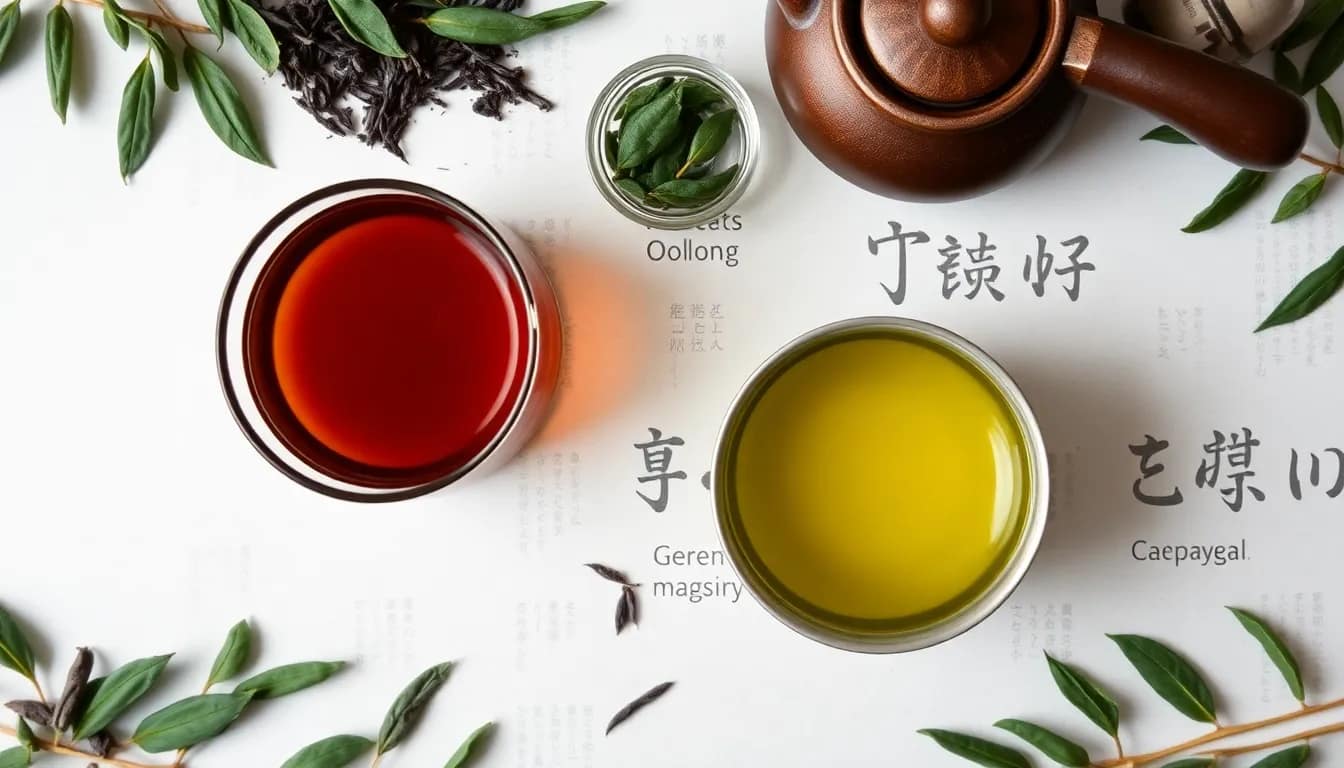
Our Recommendation for Oolong Tea vs Green Tea
In the oolong tea vs green tea debate, neither side is simply better—each serves a different purpose. Green tea stays in the 0% oxidation zone, delivering bright, clean notes and a high concentration of catechins. Oolong sits in the middle, typically 30–70% oxidation, offering a spectrum from floral and fruity to toasted and caramelized. If you want a quick, refreshing cup, green tea is your best ally. If you crave depth, complexity, and the chance to explore multiple flavour avenues in one session, oolong fits the bill.
Think of your day as a guide to choosing. A busy morning calls for green tea’s brisk lift and light body. An afternoon or evening tea session can benefit from oolong’s evolving profile and longer finish. For context, consider a stat: many green teas provide around 20–45 mg of caffeine per 8 oz cup, while oolongs often hover in the 30–50 mg range. These ranges vary by leaf, roast, and brewing, but they illustrate how oxidation touches both energy and flavour.
Health-wise, both deliver antioxidants and modest caffeine effects, with oolong offering a broader range of aroma compounds due to partial oxidation. Flavor-wise, oolong invites a continuum—from fresh, garden‑like brightness to roasted, caramel‑savory depths. The best choice hinges on your palate, your meal, and how you want your tea experience to unfold. For readers exploring a practical path, start with a light green brew to reset your taste, then experiment with a mid‑oxidation oolong to taste the spectrum without abandoning familiarity.
If you’re ready to taste the perfect 45% oxidized tea moment, the Tea Art selection offers well‑curated oolongs that illustrate this middle ground. For deeper reading on the oxidation mechanism and how it translates to real brews, see trusted explanations from Britannica and dedicated tea guides. For a broader view of flavor and health implications, this quick reference set supports practical decisions in your daily tea routine: Britannica on oolong basics, Teatulia’s overview, and a comparative post like Wakacoffee’s guide on green, black, oolong, and matcha.
External resources you may find helpful:
Internal note: for a clear health‑to‑flavour bridge, also explore our oolong benefits page to see how oxidation shapes benefit claims in real brews.
In short: oolong tea vs green tea both deserve a place in a thoughtful tea routine. Your next cup should align with how you want to feel and what you want to taste today.
Frequently Asked Questions About Oolong Tea vs Green Tea
1. Which is better, oolong tea or green tea?
Neither oolong tea nor green tea is automatically better for everyone. Green tea has a fresh, grassy flavor and contains catechins such as EGCG. Oolong tea offers a wider range of floral, fruity, and roasted flavors because it is partially oxidized. Your preference, caffeine sensitivity, and brewing habits can help determine which tea suits you best.
2. What is the difference between oolong tea and green tea?
The main difference is processing. Green tea is heated during production to limit oxidation, preserving its fresh flavor and catechin profile. Oolong tea undergoes partial oxidation, which creates more varied aromas and flavors. The two teas can also differ in caffeine and polyphenol content depending on the variety and preparation.
3. Does oolong tea have more caffeine than green tea?
Oolong tea can contain more caffeine than some green teas, but this is not always the case. Caffeine levels depend on the tea variety, leaf quantity, water temperature, steeping time, and serving size. Check product-specific information when available, and adjust brewing strength if you are sensitive to caffeine.
4. Which tea has more antioxidants, oolong or green tea?
Both oolong and green tea contain antioxidant polyphenols. Green tea is known for catechins such as EGCG, while oxidation changes the types and proportions of polyphenols found in oolong tea. There is no single answer for every cup because tea variety and processing affect the final composition.
5. Is oolong tea or green tea better for weight loss?
Neither tea is a standalone weight-loss solution. Green tea catechins and caffeine have been studied for their possible effects on energy expenditure and fat metabolism, while oolong tea has also been investigated for metabolic effects. Any benefit is likely to be modest, and neither tea replaces a balanced diet, regular activity, and sustainable habits.
6. Does oolong tea taste different from green tea?
Yes. Green tea often tastes grassy, fresh, vegetal, or lightly sweet. Oolong tea can taste floral, fruity, creamy, honey-like, toasted, or roasted, depending on the variety and processing. Lightly oxidized oolongs may taste delicate, while more heavily oxidized or roasted varieties tend to have deeper flavors.
7. How do you brew oolong tea compared with green tea?
Green tea is commonly brewed at around 70–85°C for approximately one to three minutes. Oolong tea is often brewed at around 85–95°C for one to five minutes. These are starting points, not fixed rules. Follow the instructions for your particular tea and adjust the temperature and steeping time to suit its flavor.
8. Can you drink oolong tea and green tea every day?
Many adults can include either tea in a daily routine, but total caffeine intake matters. People who are sensitive to caffeine or have been advised to limit it should adjust their intake accordingly. Avoid assuming that more tea automatically means greater health benefits.
9. Is oolong tea healthier than green tea?
Neither tea is universally healthier. Both contain plant compounds that have been studied for potential health effects, but the evidence does not establish one as the best choice for everyone. Consider your taste preferences, caffeine tolerance, preparation method, and overall diet when choosing between them.
10. Can you drink oolong tea and green tea together?
Yes. You can enjoy both teas as part of your routine, either at different times or on different days. There is no established need to combine them to obtain benefits. Pay attention to your total caffeine intake and choose brewing strengths that you enjoy.
11. Which tea is better for the morning: oolong or green tea?
Either can work in the morning. Green tea may appeal to people who prefer a lighter, fresher flavor, while oolong tea offers a broader range of flavor profiles. Both can contain caffeine, so the best option depends on your taste and how you respond to caffeine.
12. Does oolong tea have less caffeine than coffee?
Oolong tea generally contains less caffeine per typical serving than brewed coffee, but the actual amount varies by tea, preparation, and serving size. A strong tea or large serving can contain more caffeine than a weak or small one. Compare serving sizes and product information for a more accurate estimate.
Which is better for weight loss?
Short answer: neither is a magic bullet, but both can fit a weight‑conscious plan. Green tea’s catechins and modest caffeine can support a gentle metabolic nudge, while oolong’s mid‑range oxidation keeps caffeine levels usable and flavour satisfying. The key is how you brew and what you pair with it—no single tea guarantees weight loss, but consistent, mindful sipping can support your goals over time.
How does the flavor differ between oolong and green tea?
Green tea tastes bright, grassy, and clean, with a light body. Oolong spans a spectrum—from floral and melon‑like to toasty and caramelized—because of its oxidation range. In other words, green feels like a fresh garden, and oolong can feel like a small tasting journey through a coffee‑table of flavors.
What is the best brewing method for oolong tea?
Aim for a two‑step approach. Start with 1–2 minutes at 85–90°C to wake the aroma. Then pour again or steep longer (3–4 minutes) for deeper notes, especially with higher oxidation. For green tea, keep it shorter—1–2 minutes at 70–85°C. Preheat the teapot and rinse leaves lightly to release aroma.
Do they differ in caffeine content?
Yes, but not dramatically. Green tea typically runs in the 20–45 mg per cup range, while oolong sits around 30–50 mg per 8 oz, depending on leaf size and brewing time. If caffeine sensitivity matters, shorter steeps and cooler temperatures help either tea.
Are there health benefits that differ?
Both provide antioxidants and a gentle caffeine lift. Oolong’s partial oxidation adds a broader range of polyphenols beyond catechins, while green tea preserves more EGCG. Real benefits depend on quality, processing, and how you brew—so choose based on taste preference and lifestyle.
Closing thought: oolong tea vs green tea offers two complementary paths. Choose the path that suits your routine, then explore the flavours each oxidation level can unlock.