Oolong tea flavor is a captivating journey through diverse tastes and aromas, ranging from floral and citrusy to rich and nutty. Its unique profile depends significantly on oxidation levels, giving tea lovers a fulfilling experience that varies with each cup. Let’s dig into what you can expect and how oxidation plays a role.
Oolong Tea Flavor: What to Expect
Oolong tea offers a dynamic flavor spectrum that can surprise even seasoned tea drinkers. At one end, you have light oolongs, where floral and citrus notes dominate, evoking the freshness of a spring garden. As the oxidation level increases, the flavor deepens; medium oolongs introduce orchard fruit and toasted nut characteristics, while fully oxidized varieties reveal rich caramel and roasted wood undertones.
Understanding the nuances of oolong tea flavor is crucial for selecting the perfect cup for your palate. It’s also essential to grasp how oxidation impacts taste and aroma, helping you navigate between light, medium, and full-bodied oolongs easily. In this guide, we’ll explore the interplay between oxidation and flavor in detail, giving you insights to appreciate oolong tea fully.
Plus, we’ll also provide a clear price range for oolong—between ₹390 and ₹12 KD—so you can gauge what you’ll be investing in when exploring this delightful tea type in more depth. Ready to take a deeper dive into the world of oolong? Explore our insights, brewing tips, and even recommendations for your next cup here.
Flavor Snapshot of Oolong Tea
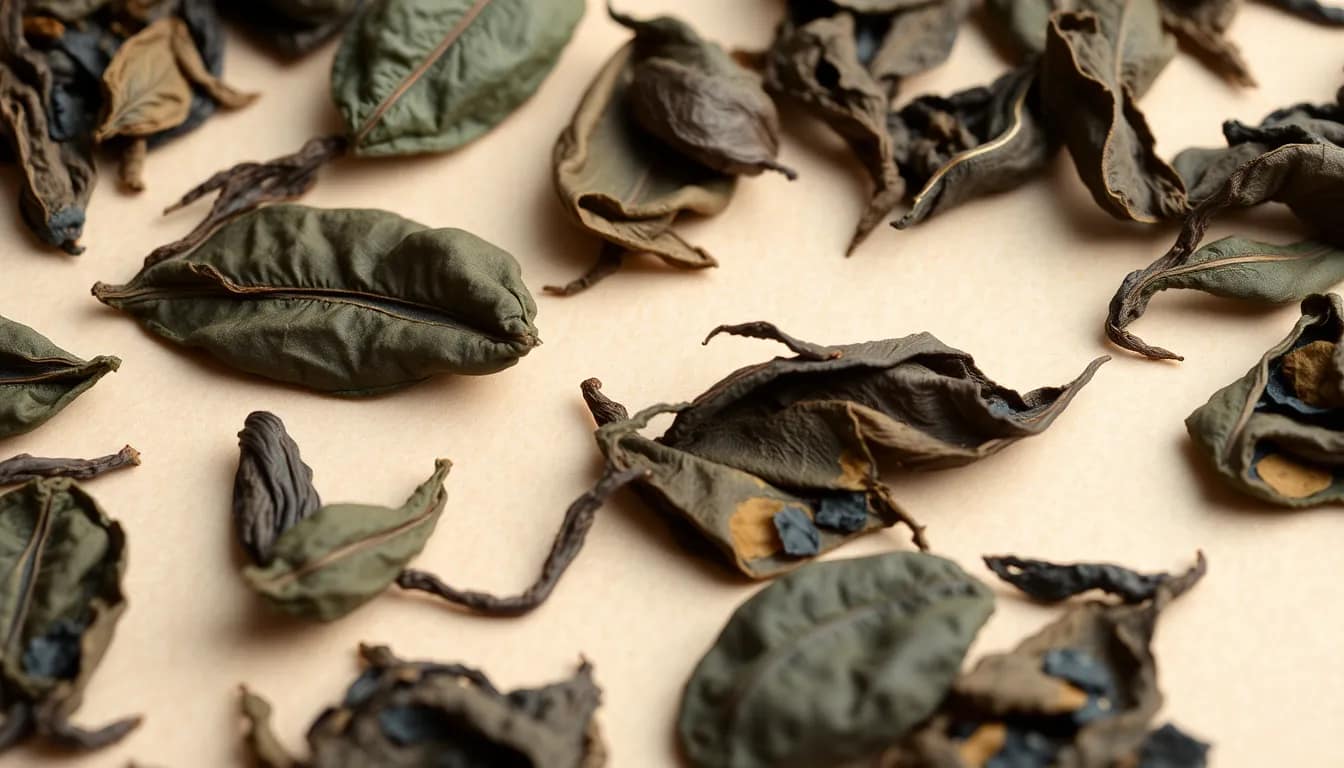
The oolong tea flavor spectrum is a journey from bright and floral to deep and roasted. Light oolongs charm with fresh notes, while medium and full oxidation push toward fruit, nut, and caramel tones. This quick snapshot helps you pick the right cup for the moment. For quick reference, the flavor map hinges on oxidation level and brewing time.
In real life, a morning cup might gift a light, airy aroma with citrus hints, while an afternoon mug leans into orchard fruit and toasted nut notes. Tasters often report that the floral punch of light oolongs can feel like a walk in a spring garden, whereas full oolongs deliver a bold, lingering finish. The goal is to match the level of oxidation to your mood and meal.
Light Oolong (10–30% Oxidation)
Light oolongs stay in the bright zone. Expect floral bouquets, honeyed sweetness, and citrus zest. They brew quickly and pair well with light meals.
Medium Oolong (30–60% Oxidation)
Medium oolongs strike a balance. You’ll notice orchard fruit, stone fruit, and a hint of toasted nut. This level suits afternoon sipping and everyday special tea moments.
Full Oolong (60–100% Oxidation)
Full oolongs deepen into caramel and roasted wood, with a smooth, velvety body. They stand up to milk or stronger snacks and hold interest through longer sessions.
| Oxidation % | Flavor notes | Brewing tips |
|---|---|---|
| 30–60% | Orchard fruit, toasted nut | 3–4 min steep; water about 90°C; consider gongfu style for layering |
| 60–100% | Caramel, roasted wood | 4–5 min; water 95°C; try a longer pour and a milk lift if desired |
For a broader view of what shapes oolong flavor, see credible guides on oolong flavor profiles and brewing approaches from reputable sources:
Oolong Tea Price (₹390 – ₹12 KD)
Oolong tea sits in a mid range for price per gram, reflecting the craft of oxidation control, leaf quality, and sourcing. A typical 50 g tin around ₹390 yields roughly ₹7.8 per gram, while larger packs drop the cost per gram. This makes oolong a value option when you want a broader flavor range than green or black tea in a single sip.
A quick price comparison when shopping
Green tea often lands in a similar range per gram but with lighter single‑note profiles. Black tea can be cheaper per gram, yet oolong rewards the flavor range and aroma
Value note: the spice of oxidation and the breadth of notes often justify the small premium over plain green or black tea, especially for readers seeking variety in a single cup.
Comparison badge vs green/black teas: mid‑range price with a wider flavor palette than green, and more nuance than most black brews.
Oolong is a flexible middle ground in taste and cost, making it a smart everyday pick for curious palates.
Oxidation & Flavor Deep‑Dive
Oxidation is the chemistry behind flavor shifts. Green tea stays closest to fresh greens; black tea leans into robust, roasted tones. Oolong sits between, with the oxidation level dialed to craft a spectrum from delicate to bold. This mid path means you can tailor flavor with tiny changes in time and temperature.
And if you want a quick, visual primer on how oxidation changes taste, explore trusted explanations linked above. For more reading, check reputable sources like Britannica and the top oolong guides linked earlier.
Final Verdict on Oolong Tea Flavor
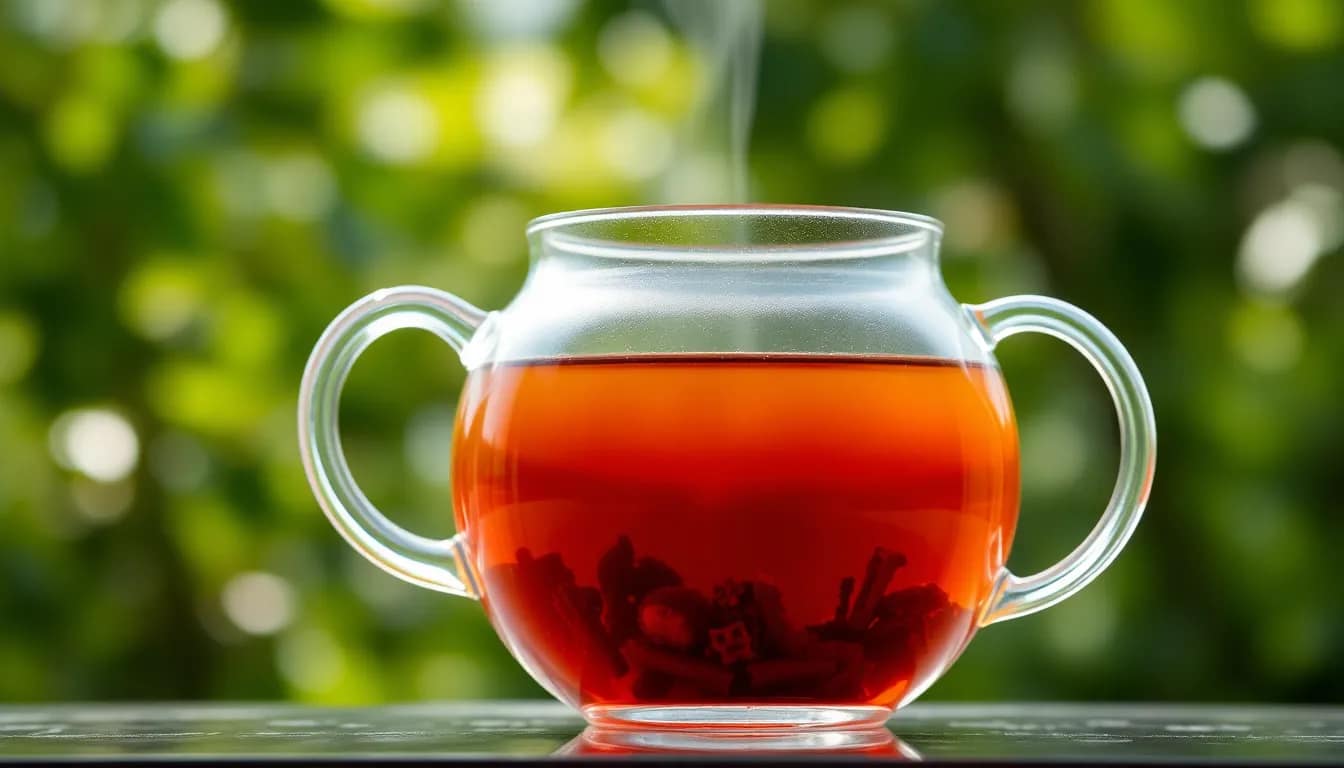
Oolong tea flavor sits between green and black, offering a flexible spectrum you can explore cup by cup. Light oolongs feel fresh and floral, while medium leaves you with fruit and nut hints, and full oxidation brings caramel and roasted notes. The result is a tea you can tailor to mood, meal, and time of day. For shoppers, the taste range often justifies the price, making oolong a versatile everyday choice.
If you’re shopping, expect to see a price range around ₹390–₹12 KD for different tins and blends. The per‑gram cost tends to sit in the mid range, with larger packs offering better value. This means you can enjoy a broad flavor journey without paying a premium for every cup. For a quick sense of value, compare the flavor breadth against green and black teas and notice how oolong rewards curiosity with variety. Curious for a deeper flavor map? Our beginner’s guide and tasting notes are a quick read, then you can sample a few profiles to see what resonates.
For a broader flavor picture, you can explore reputable guides that illustrate how oxidation shifts taste and texture. See the science of oolong flavor in trusted explanations from Britannica and other tea authorities. And if you want practical, hands‑on tips, the journey from light floral notes to deep caramel is easier than it looks—especially when you brew with intention. And keep exploring credible sources to sharpen your palate.
If you’re ready to taste, a quick pairing tip: start light, then work up to fuller profiles as you gain comfort with the leaves. The payoff is a nuanced oolong tea flavor that keeps evolving with every brew.
FAQ on Oolong Tea Flavor
What are the key flavor profiles of oolong tea?
Think of oolong as a gradient. Light oolong offers floral, citrus, and honey notes. Medium brings orchard fruit and toasted nut. Full oxidation reveals caramel and roasted wood. The oolong tea flavor shifts with stepwise changes in time and temperature, so you can tune it to your palate.
External read: Britannica on oolong tea basics.
How does oxidation affect the flavor of oolong tea?
Oxidation is the dial that shapes taste. Less oxidation keeps the cup bright and green‑leaning; more oxidation pushes toward deeper, richer tones. It’s like moving from a fresh garden to a roasted café in a few steps. That’s why breeders craft oolongs across light, medium, and full profiles.
External read: Britannica on oolong tea basics.
What is the price range for oolong tea?
Most buys fall between ₹390 and ₹12 KD, with price per gram reflecting pack size and leaf quality. Smaller tins start higher per gram, while larger tins reduce the cost. It’s a trade between variety and value that pays off if you want a wider flavor range.
External read: Tealula flavored oolong teas.
How should I brew oolong to get the best flavor?
Use water just below a boil, around 85–95°C depending on the level of oxidation. Light oolongs benefit from shorter steeps 1–2 minutes; full oolongs can handle 4–5 minutes. A quick rinse of the leaves first helps wake up the aroma. Start with a small portion and adjust based on taste.
External read: Britannica on oolong tea basics.
Is the caffeine content different from green or black tea?
Oolong caffeine sits between green and black tea. You’ll get a gentle lift rather than a sharp spike, which makes it convenient for daytime sipping. Brew time and leaf amount mostly determine the caffeine level you experience.
Final thought: oolong tea flavor invites exploration, and the journey is as rewarding as the cup.