
Green tea stands out for its rich antioxidant content, particularly catechins like EGCG, which combat oxidative stress and inflammation. These antioxidants help neutralize free radicals, protecting cells from damage. The quality of the tea is crucial; whole-leaf varieties maintain higher levels of these beneficial compounds compared to lower grades. At Tea Art (teaart.in), we pride ourselves on our farm-direct, artisanal whole-leaf green teas that preserve the integrity of these nutrients, ensuring you receive genuine health benefits in each cup. Proper brewing is key to unlocking these benefits, as well, allowing you to fully experience the depth of flavor and health advantages our teas provide. Embrace green tea as a daily ritual to support your body’s antioxidant needs. Our selection is curated for the discerning consumer, prioritizing quality and authenticity.
Green tea has become a popular part of everyday wellness routines because it combines a refreshing taste with naturally occurring compounds that have been studied for their potential health benefits. Made from the leaves of the Camellia sinensis plant, green tea contains catechins and other antioxidants, along with naturally occurring caffeine. According to the National Center for Complementary and Integrative Health, green tea has been studied for a range of health-related uses, although the evidence varies depending on the specific benefit being considered.
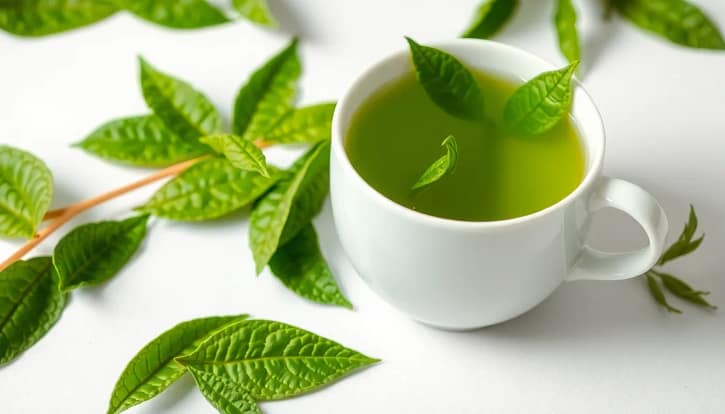
One of the biggest advantages of green tea is how easily it can fit into an existing routine. It can be enjoyed in the morning, between meals, after eating, or as a simple alternative to other beverages. Rather than treating green tea as a quick solution for a specific health goal, it makes more sense to view it as one small part of an overall healthy lifestyle.
Green tea works best as part of a consistent routine, not as a replacement for good nutrition, sleep, hydration, or regular physical activity.
The potential benefits can also depend on factors such as tea quality, serving size, preparation method, caffeine tolerance, and how regularly it is consumed. People who are sensitive to caffeine may also want to pay attention to when they drink it, particularly later in the day.
- Green tea naturally contains catechins and other plant compounds.
- It contains caffeine, although generally less than a typical cup of coffee.
- It can be incorporated into different parts of a daily wellness routine.
- Its potential benefits should be considered alongside an overall healthy lifestyle.
With that broader context in mind, the sections below look more closely at how green tea relates to this particular wellness goal and how you can realistically incorporate it into your routine.
Green tea, derived from the Camellia sinensis plant, is rich in antioxidants such as catechins (especially epigallocatechin gallate, EGCG), L‑theanine, and a modest amount of caffeine. These compounds help combat oxidative stress, reduce inflammation, and support cognitive function.
The health benefits depend on preserving these bioactives during processing; whole‑leaf teas retain more catechins than highly oxidized dust and fannings found in many tea bags. Brewing at 75 °C–80 °C extracts the antioxidants efficiently while avoiding excessive tannin release that can cause bitterness. Multiple steepings of whole‑leaf tea further extend the delivery of beneficial compounds. Regular consumption of two to three cups of high‑quality green tea can therefore provide substantial antioxidant support and promote overall well‑being.
Green tea can be a simple and enjoyable addition to a balanced daily routine, particularly for people who want a beverage that naturally contains antioxidants and other plant compounds. However, it is important to keep expectations realistic. Green tea is not a substitute for a nutritious diet, regular physical activity, sufficient sleep, or appropriate healthcare.
The most practical approach is to focus on consistency. Choose a quality green tea, prepare it according to your preferences, and find a time of day when it naturally fits into your routine. If you are sensitive to caffeine, consider drinking it earlier in the day and monitor how your body responds.
Whether your interest is digestion, antioxidants, skin health, or enjoying a cup after a meal, green tea can complement a broader wellness-focused lifestyle. For more information about the potential benefits and safety considerations of green tea, you can also refer to the NCCIH overview of green tea.
The goal is not to make green tea the centre of your health routine. The goal is to make it an easy, sustainable part of one.
Ultimately, the best routine is the one you can actually maintain consistently.
Choosing premium whole‑leaf green tea and brewing it at the optimal temperature maximizes antioxidant intake, offering a flavorful and health‑supporting beverage for daily consumption.
Green Tea for Antioxidants: Benefits and Why They Matter
Green tea has been enjoyed for centuries, not just because of its refreshing taste but also because of its natural antioxidant content. Antioxidants are compounds that help protect your body from oxidative stress caused by unstable molecules called free radicals.
Every day, your body naturally produces free radicals through processes like metabolism, exercise, and exposure to environmental factors. While your body can handle some amount of oxidative stress, excessive free radicals may contribute to cellular damage over time.
This is where green tea becomes interesting. Green tea is rich in polyphenols, especially catechins like EGCG (epigallocatechin gallate), which are known for their strong antioxidant properties.
Why Are Antioxidants Important in Green Tea?
Antioxidants play an important role in supporting your body’s natural defense system. They help neutralize free radicals and protect cells from unnecessary damage.
The most powerful antioxidants in green tea come from catechins, which are naturally occurring plant compounds. Among them, EGCG is the most researched and is believed to contribute to many of green tea’s potential health benefits.
Regularly including antioxidant-rich foods and drinks like green tea in your lifestyle may support:
- Overall cellular health
- Healthy aging
- Heart health support
- Natural immune function
- Better protection against daily environmental stress
However, green tea should not be viewed as a miracle solution. Antioxidants work best as part of a balanced lifestyle that includes nutritious food, exercise, hydration, and good sleep.
How Does Green Tea Compare With Other Antioxidant Sources?
Green tea is considered one of the most antioxidant-rich beverages because of its high concentration of catechins. Compared with many common drinks, unsweetened green tea provides antioxidants without added sugar or calories.
The antioxidant content of green tea can vary depending on factors like:
- Tea quality
- Growing conditions
- Processing methods
- Brewing temperature
- Steeping time
Loose-leaf green teas and high-quality varieties often retain more beneficial compounds compared with heavily processed tea products.
Matcha, a powdered form of green tea where you consume the entire tea leaf, is also known for having a higher concentration of antioxidants compared with regular brewed green tea.
Benefits of Drinking Green Tea for Antioxidants
Adding green tea to your daily routine can be a simple way to increase your intake of natural plant compounds. Many people enjoy it as a healthier alternative to sugary beverages while still getting a refreshing drink with potential wellness benefits.
The antioxidants in green tea may help support healthy inflammation responses, protect cells from oxidative stress, and contribute to overall wellbeing.
That said, the benefits come from consistent habits rather than drinking excessive amounts. One to three cups of green tea daily is a common routine for many tea lovers.
Making Green Tea Part of a Healthy Routine
Green tea is one of the easiest ways to include antioxidants in your everyday lifestyle. Its natural catechins, especially EGCG, make it a popular choice among people looking for healthier beverage options.
The best way to enjoy green tea is to choose a good-quality tea, prepare it correctly, and make it part of a balanced routine. While antioxidants are important, they are just one piece of the bigger picture of health.
A simple cup of green tea can be more than a drink. It can become a mindful daily habit that supports your overall wellness journey.
FAQs About Green Tea and Antioxidants
1. What green tea is high in antioxidants?
Matcha is often considered one of the highest antioxidant green teas because it uses the entire tea leaf, which means you consume more plant compounds compared with regular brewed tea. High-quality loose-leaf green teas like Sencha and Gyokuro are also rich in antioxidants.
2. Which drink is highest in antioxidants?
Several beverages contain antioxidants, including green tea, matcha, coffee, and certain fruit-based drinks. Among everyday low-calorie beverages, green tea and matcha are widely recognized for their high levels of polyphenols and catechins.
3. What are the big 3 antioxidants?
The commonly discussed major antioxidants include vitamin C, vitamin E, and beta-carotene. Green tea contains a different category of antioxidants called polyphenols, especially catechins.
4. Does boiling green tea destroy antioxidants?
Very hot water and prolonged boiling can reduce some beneficial compounds in green tea. The ideal method is usually steeping green tea in hot water below boiling temperature for a few minutes.
5. Which tea is full of antioxidants?
Green tea, matcha, white tea, and some herbal teas are known for their antioxidant content. Green tea is especially popular because of its high catechin levels.
6. What happens if I drink green tea daily?
Drinking green tea daily can be a healthy habit for many people. It may support antioxidant intake, hydration, and overall wellness when combined with a balanced diet.
7. What are some side effects of drinking green tea?
Excessive green tea consumption may cause issues for some people, including caffeine-related problems like difficulty sleeping, restlessness, stomach discomfort, or headaches. Drinking it in moderation is generally recommended.
8. What is the healthiest way to prepare green tea?
The healthiest approach is to use quality green tea leaves, avoid adding excessive sugar, and brew with hot water that is not boiling. Allowing the tea to steep for the recommended time helps preserve flavor and beneficial compounds.
9. Which is more antioxidant, green tea or coffee?
Both green tea and coffee contain antioxidants, but they contain different types. Green tea is particularly rich in catechins, while coffee contains compounds like chlorogenic acids. The better choice depends on your personal preference and caffeine tolerance.
10. What is the healthiest tea to drink daily?
Green tea is considered one of the healthiest daily tea choices because it provides antioxidants with minimal calories. However, the healthiest tea is ultimately one that fits your lifestyle, preferences, and health needs.